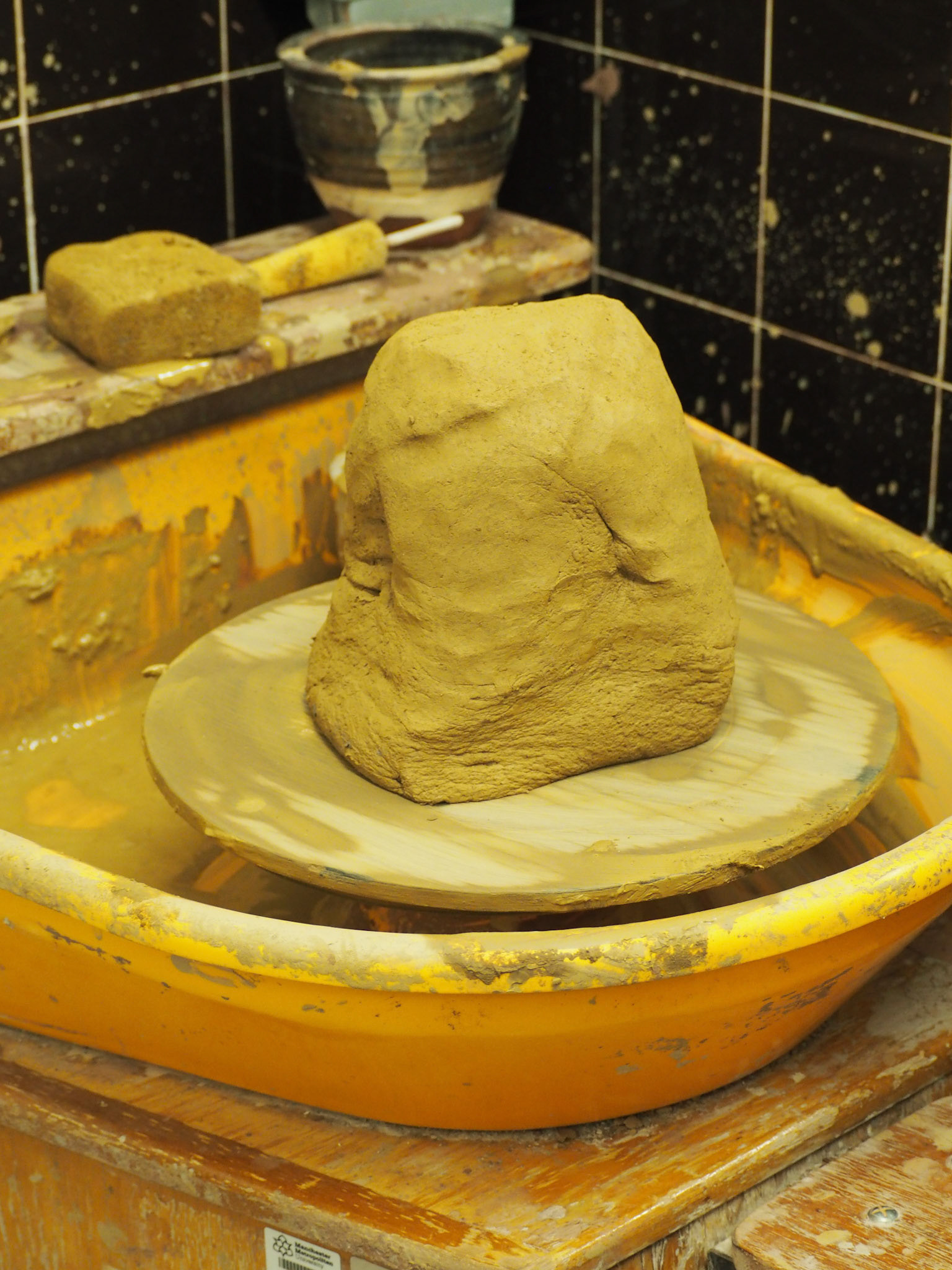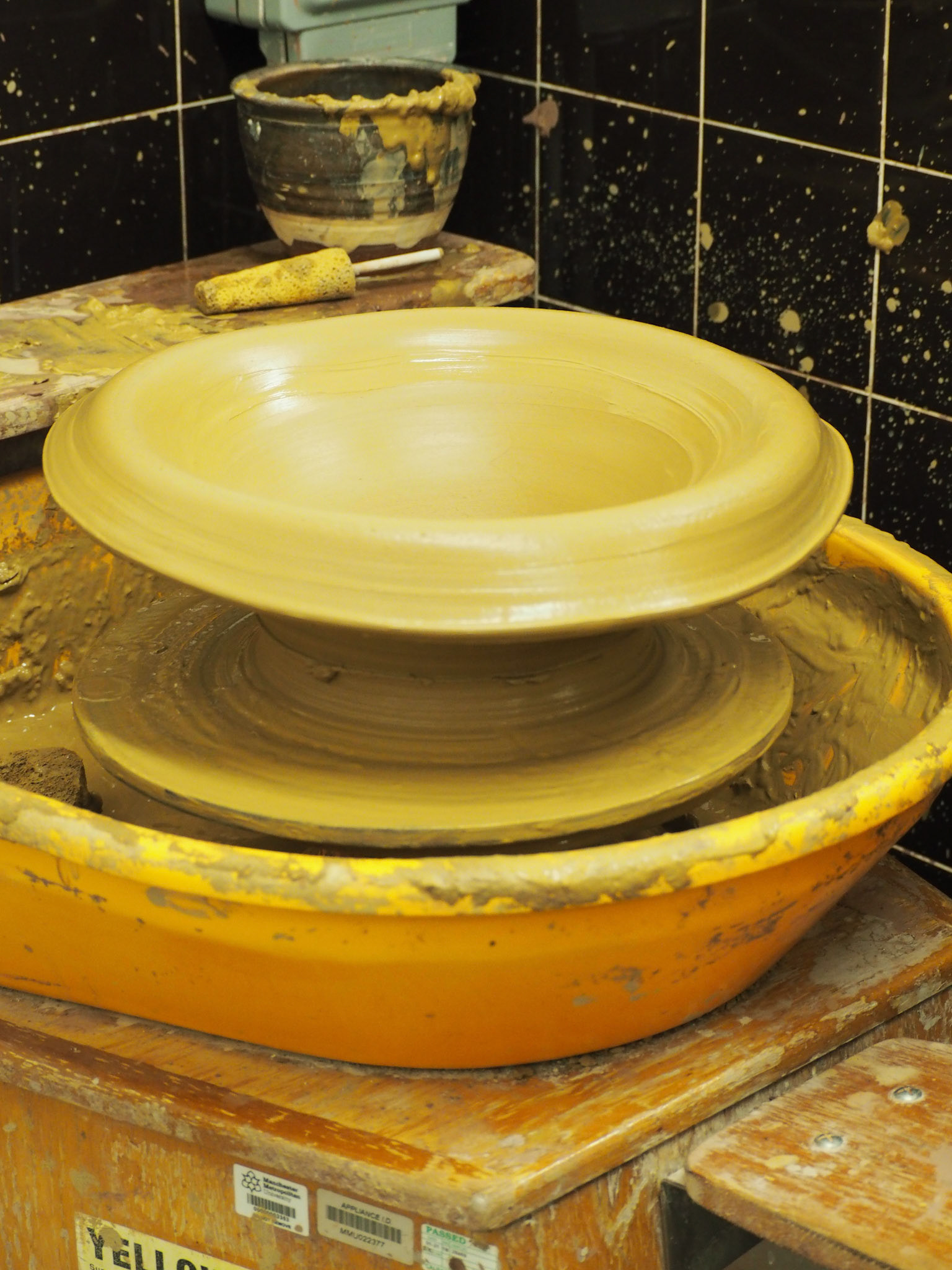
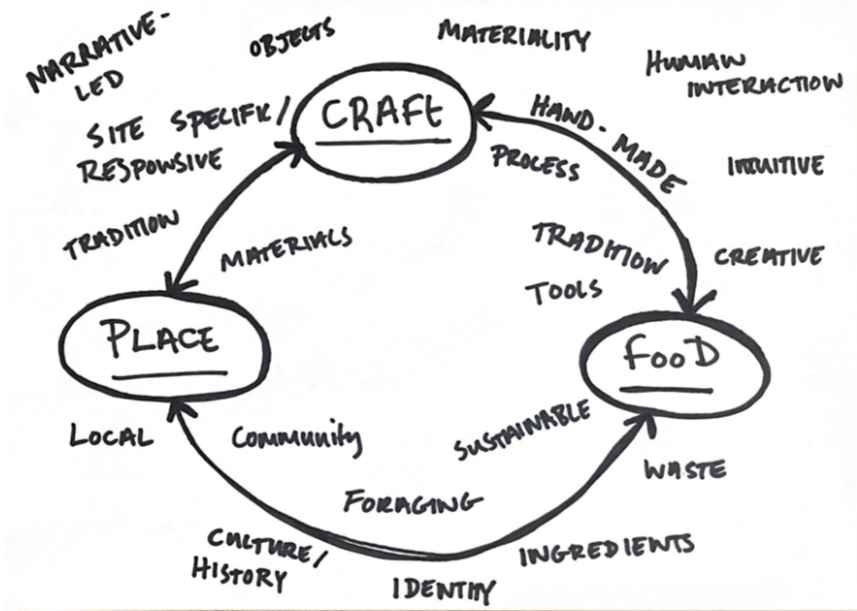
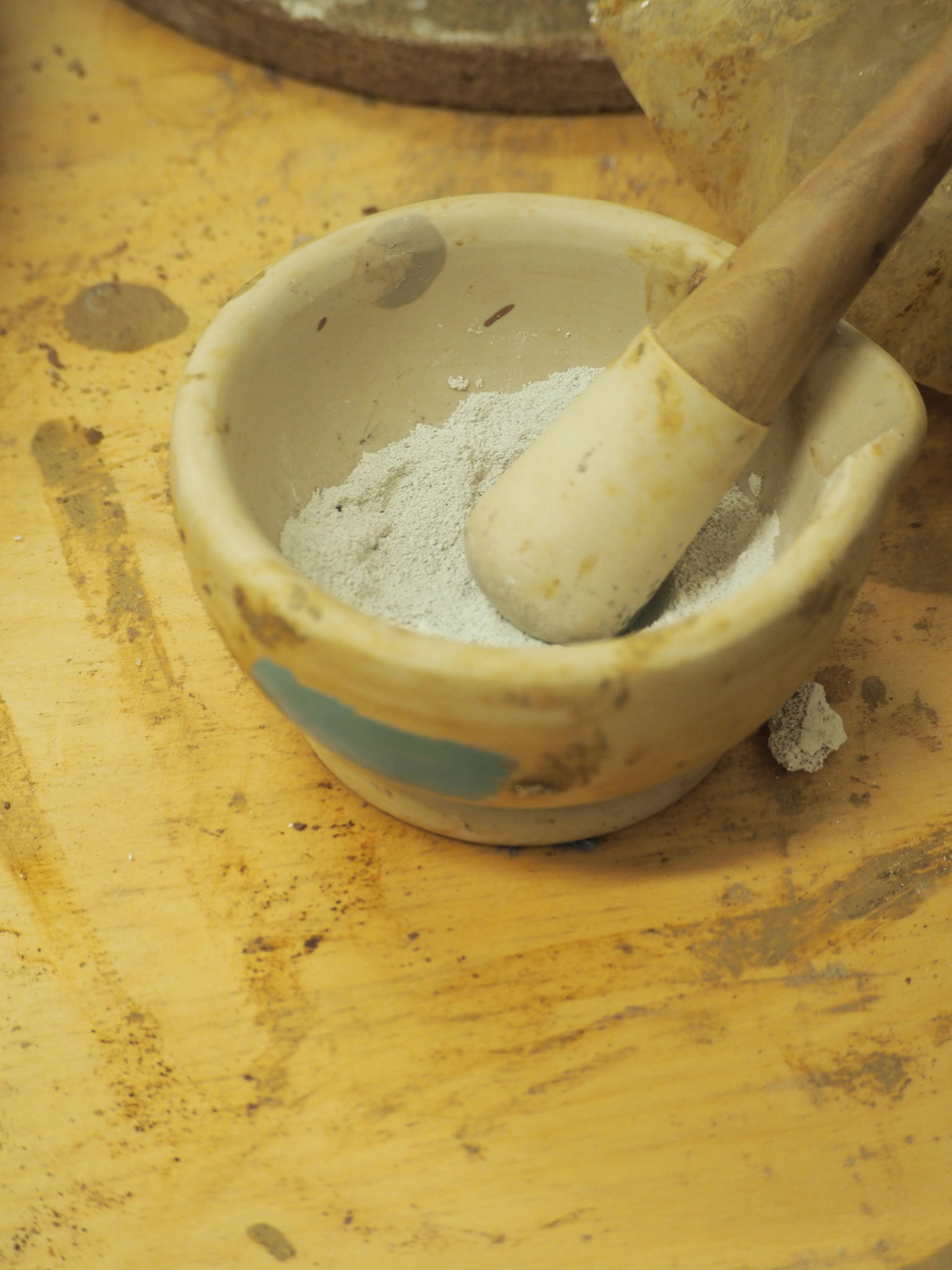
I am going to start this project by creating a range of material tests that link bone and clay intrinsically to a place, this will act as an analysis of the personality and materiality of the site whilst also creating a strong narrative between, food, craft, and place. I have started this process by using waste hogget bones that I acquired from Tonco’s kitchen. The following photos show my process of calcifying and crushing the hogget bones.
I will follow the traditional process of making bone ash, however, I am not incorporating the bone into a fine stoneware, but a wild, foraged earthenware from the land the hogget once grazed. This will produce a clay body and ceramic forms that naturally link to a specific animal and place.
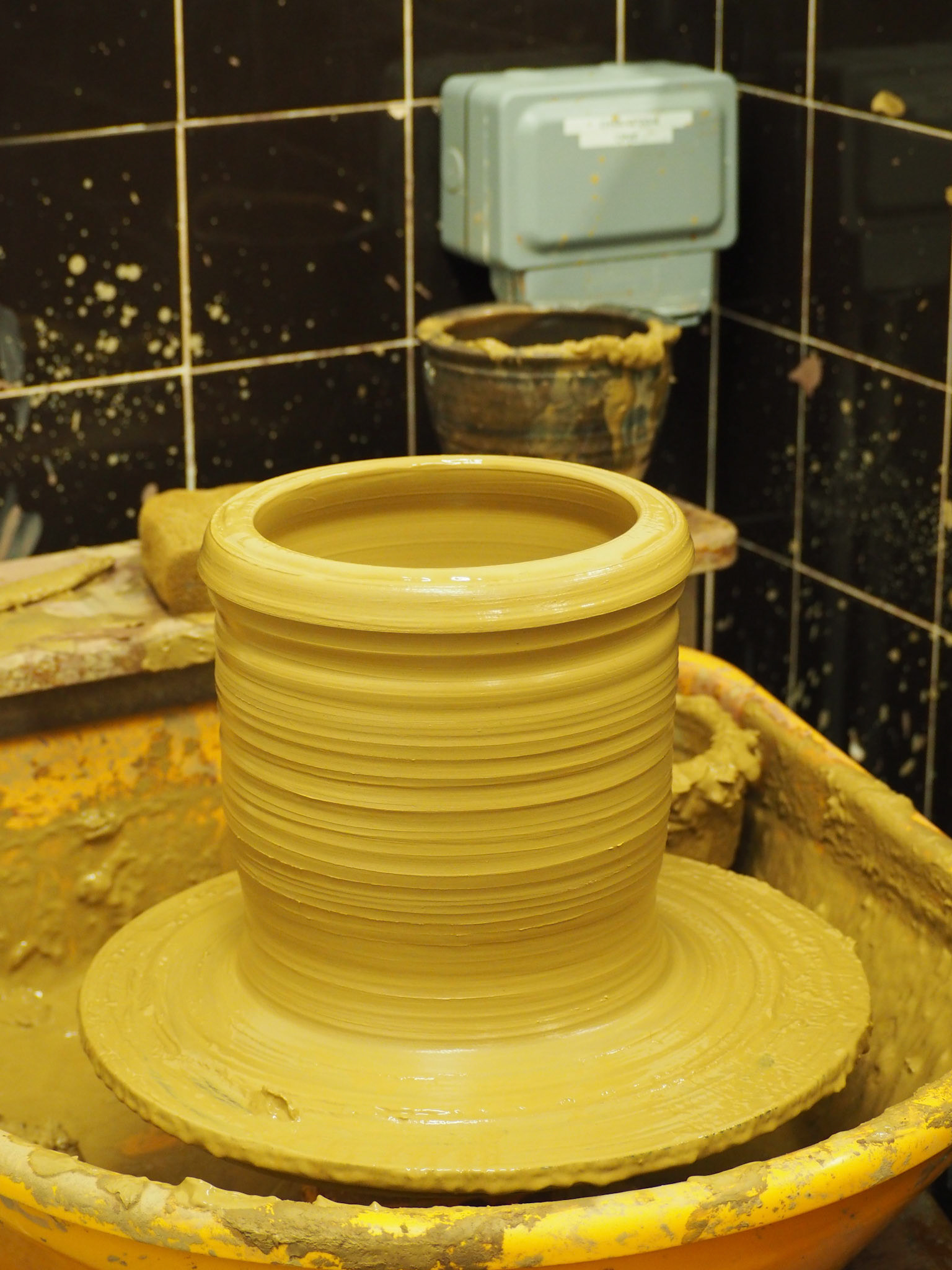
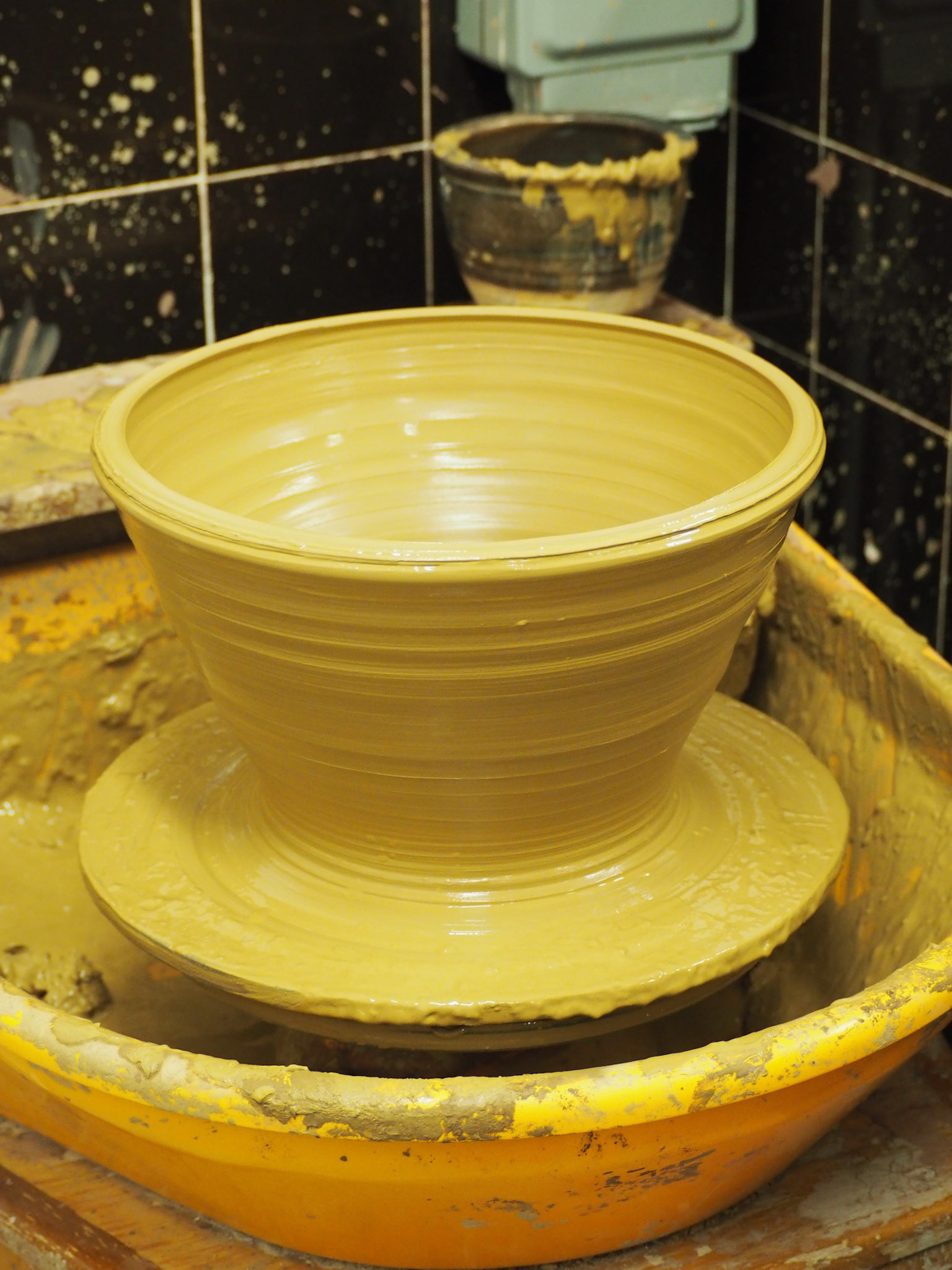
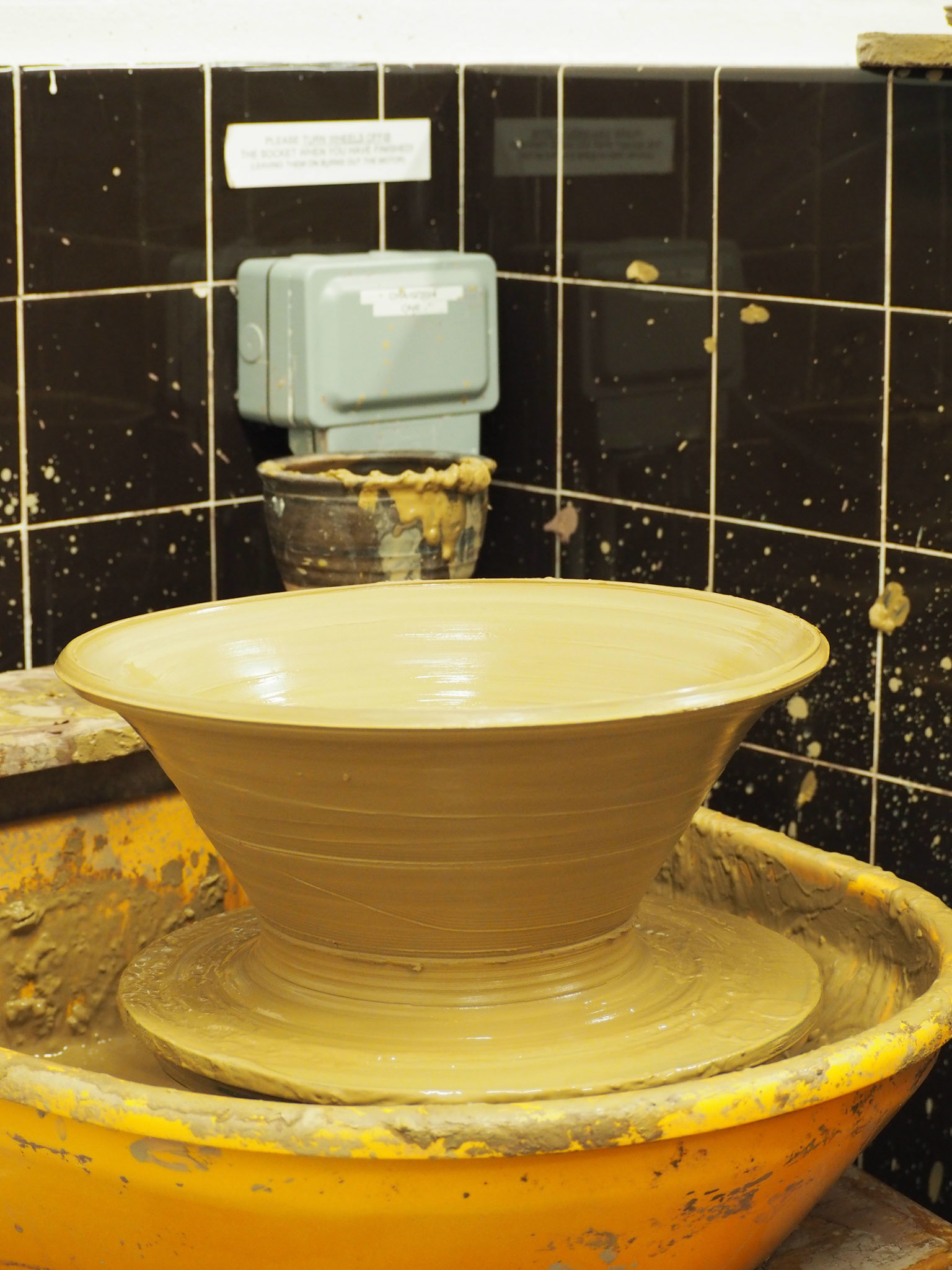
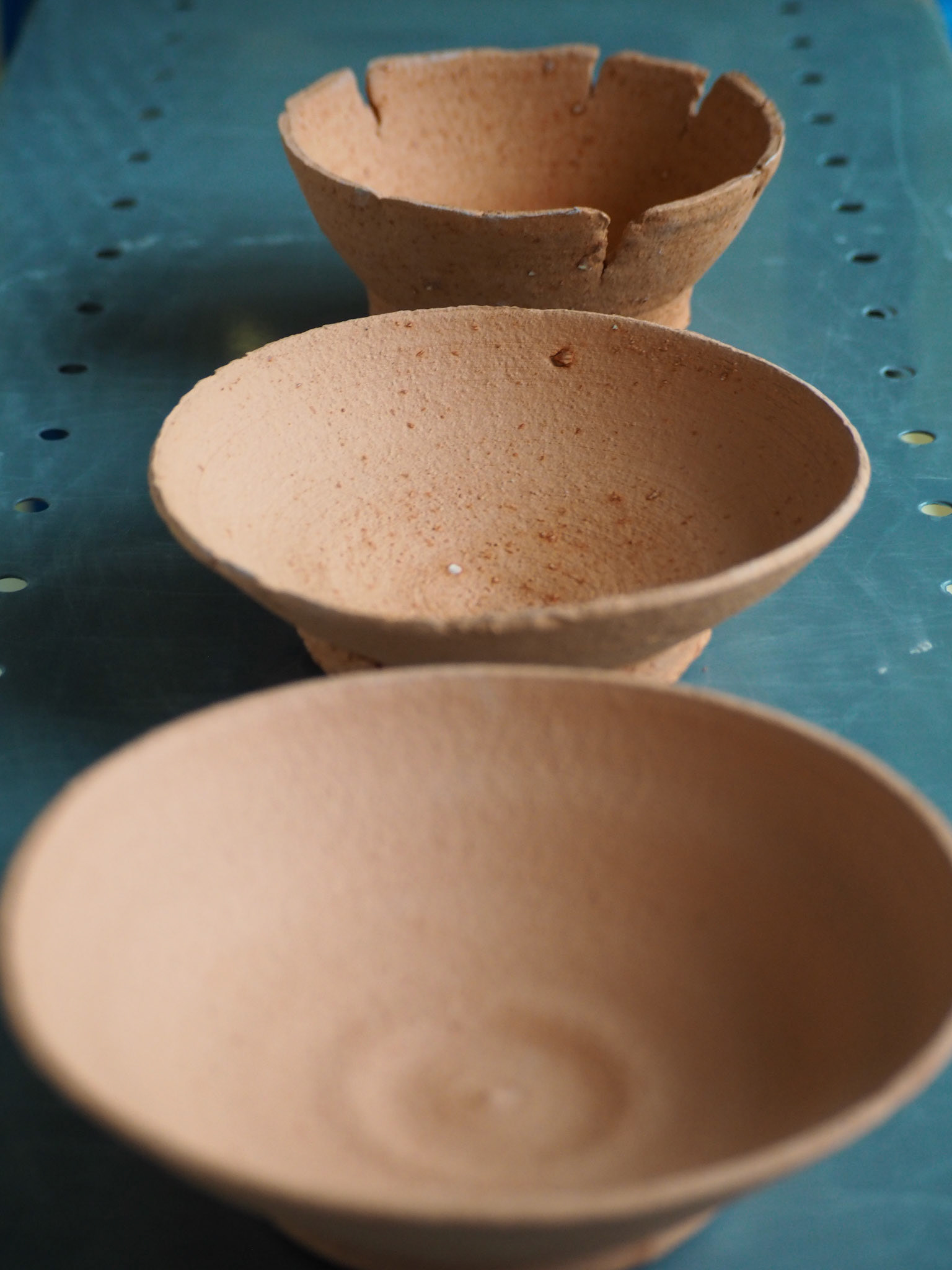
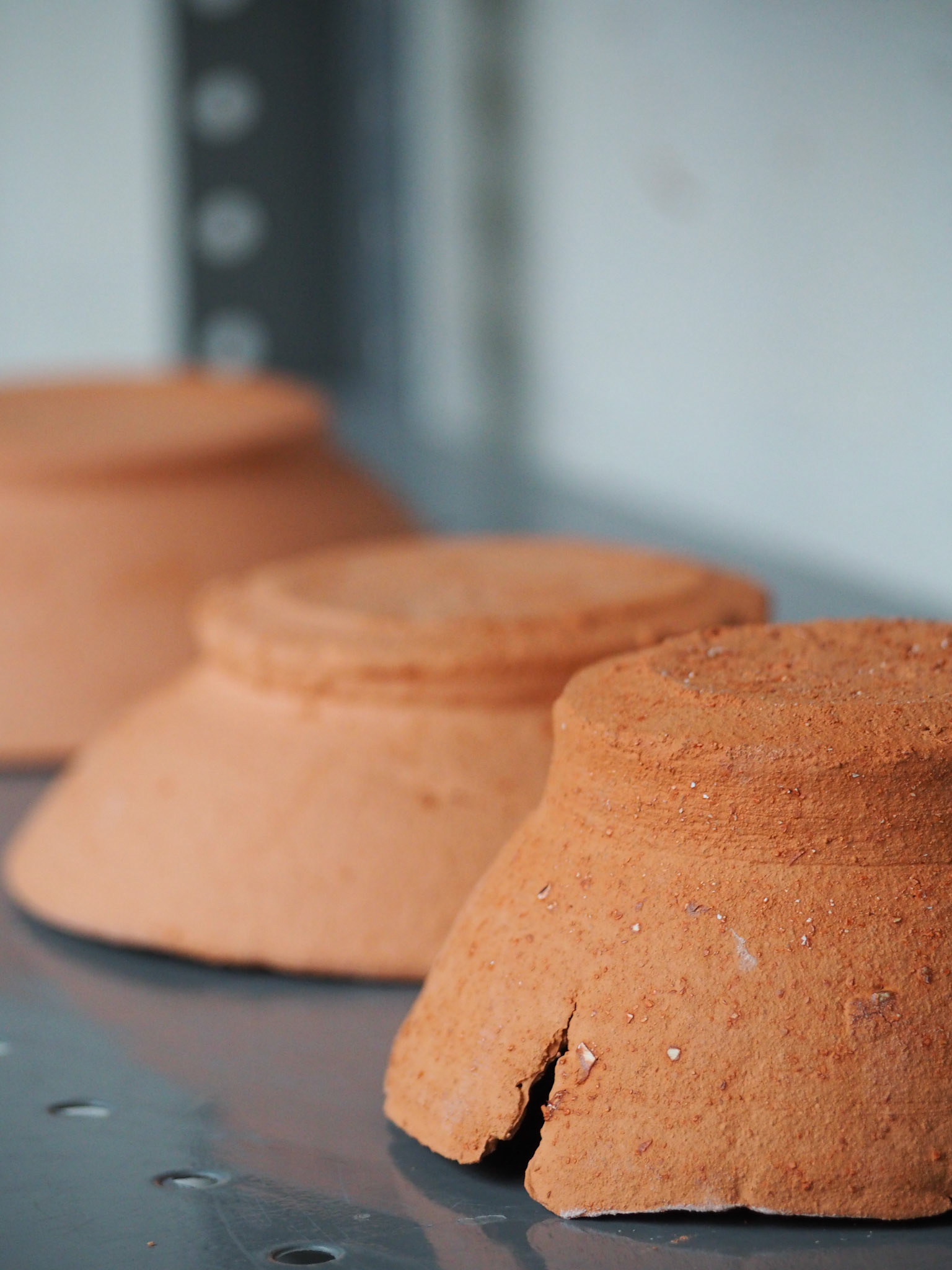
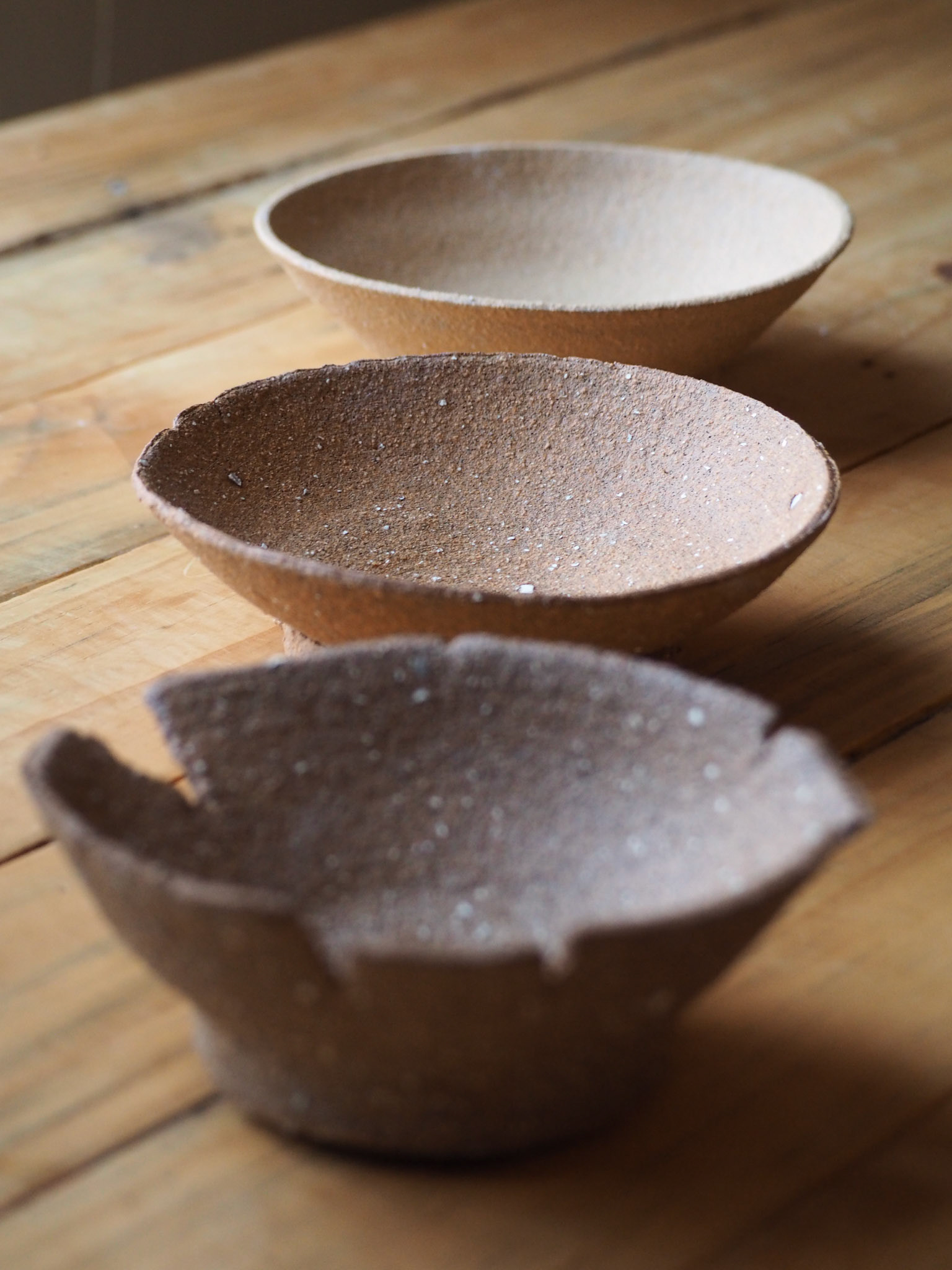
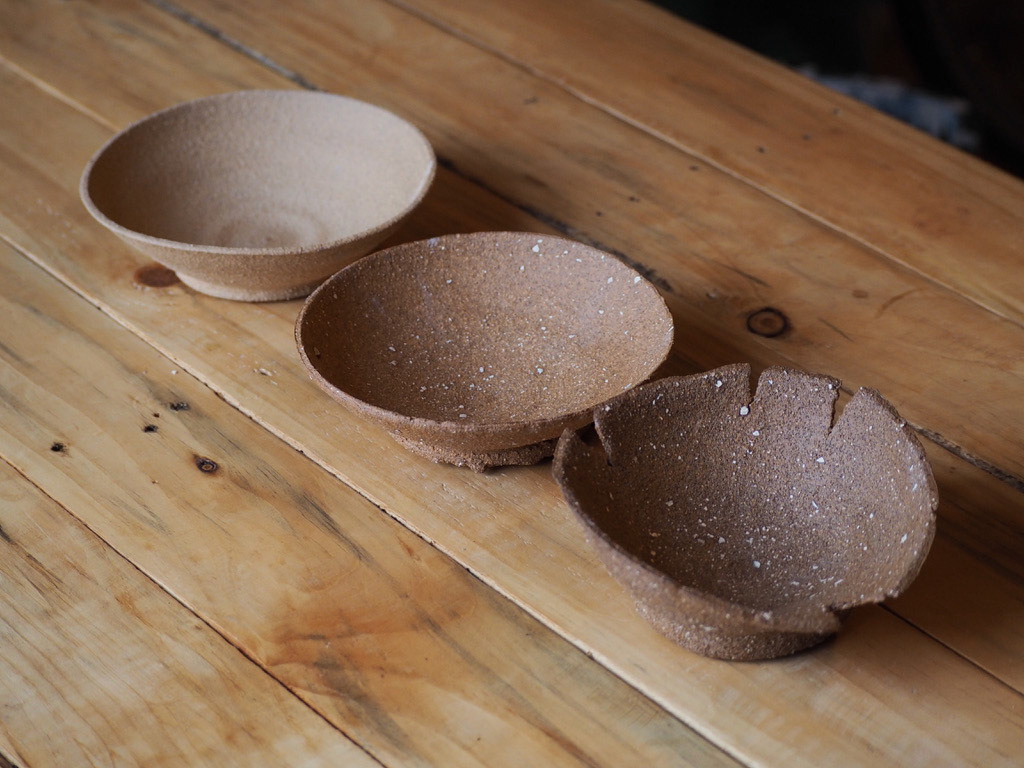
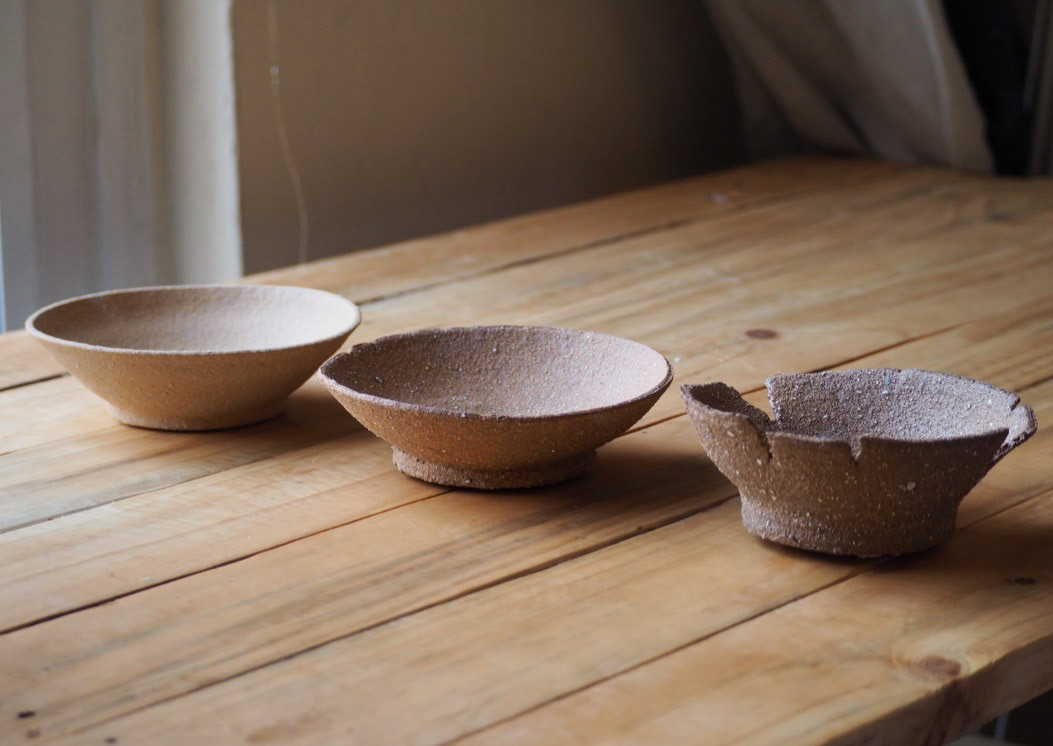
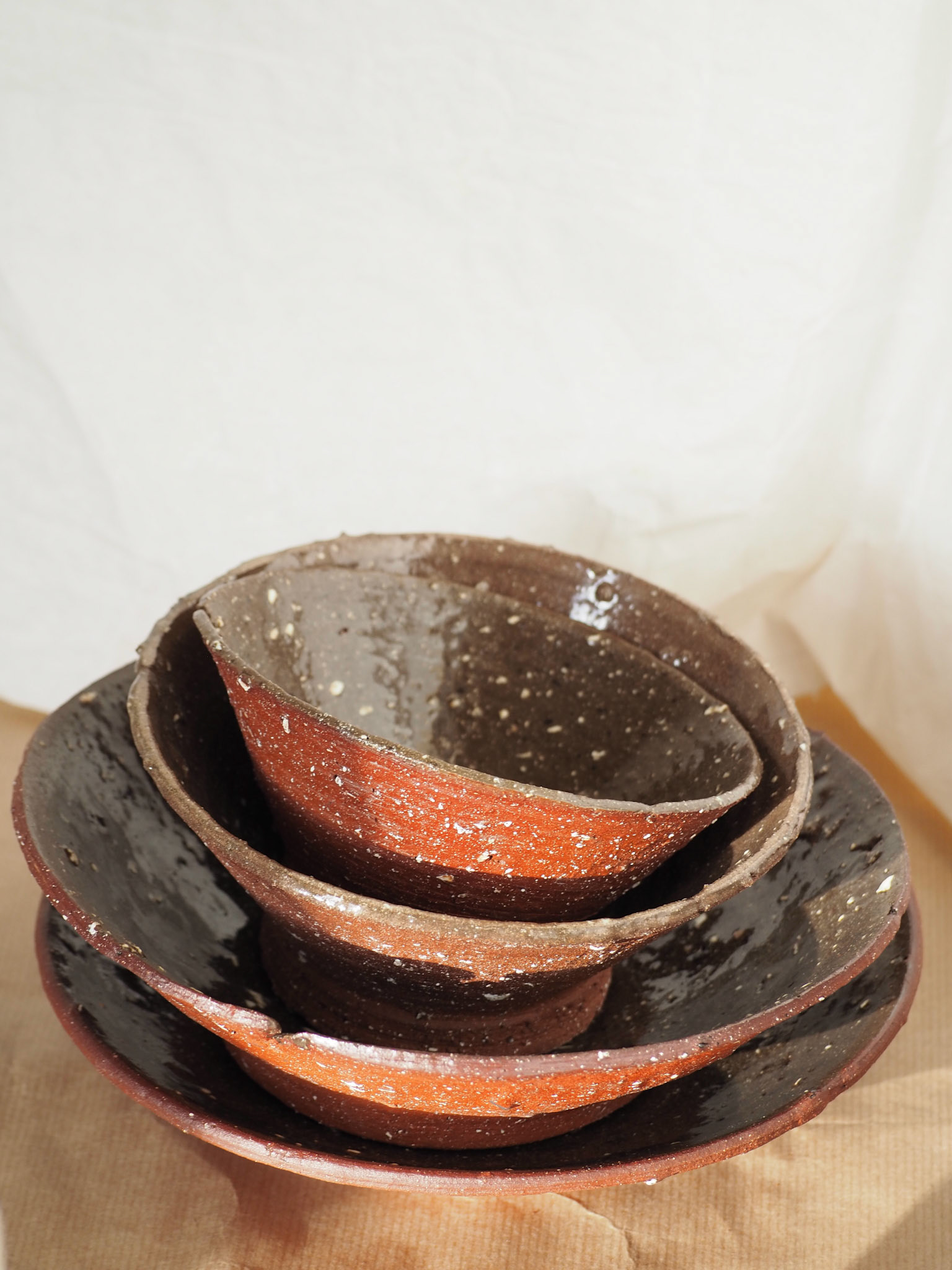
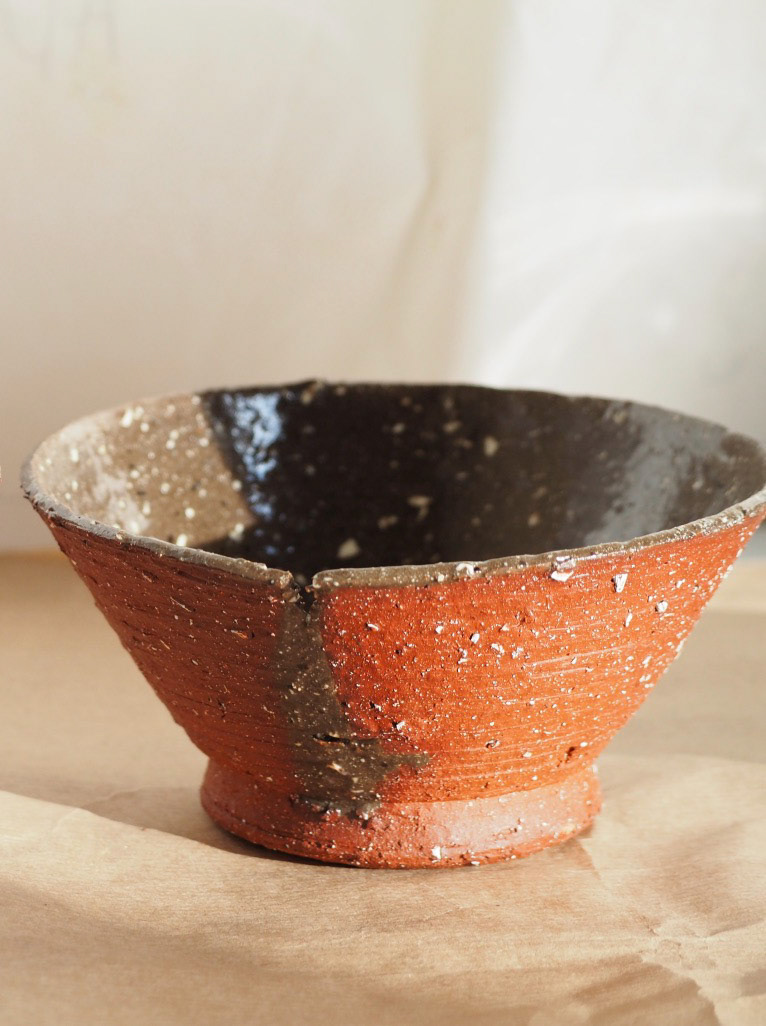
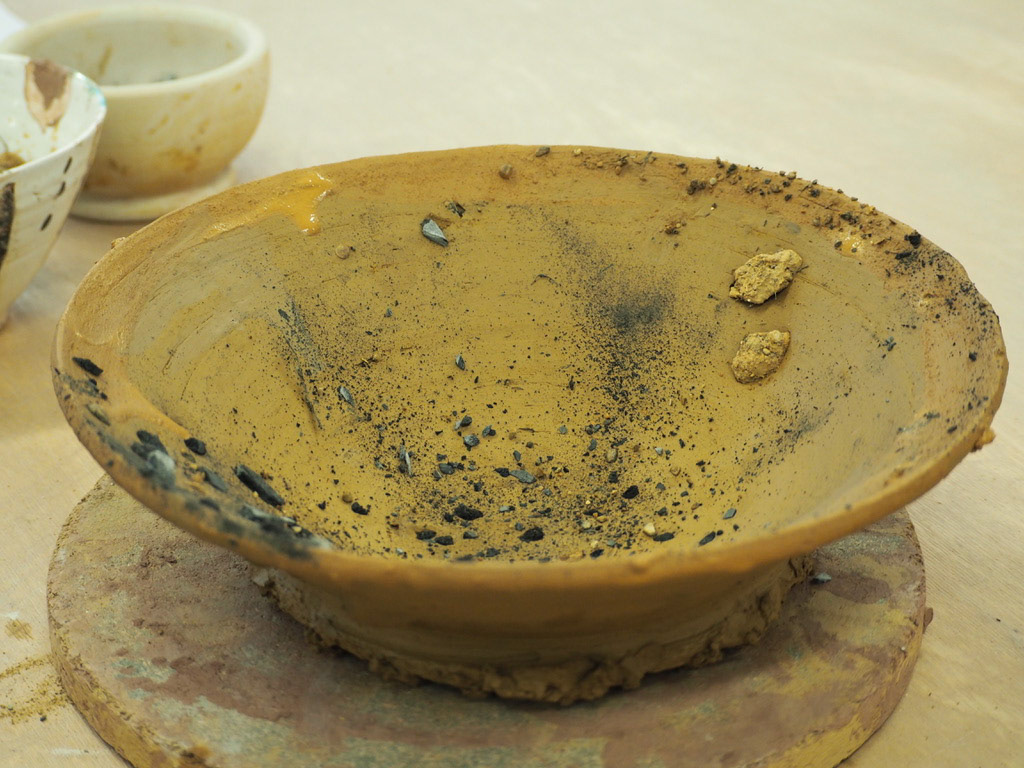
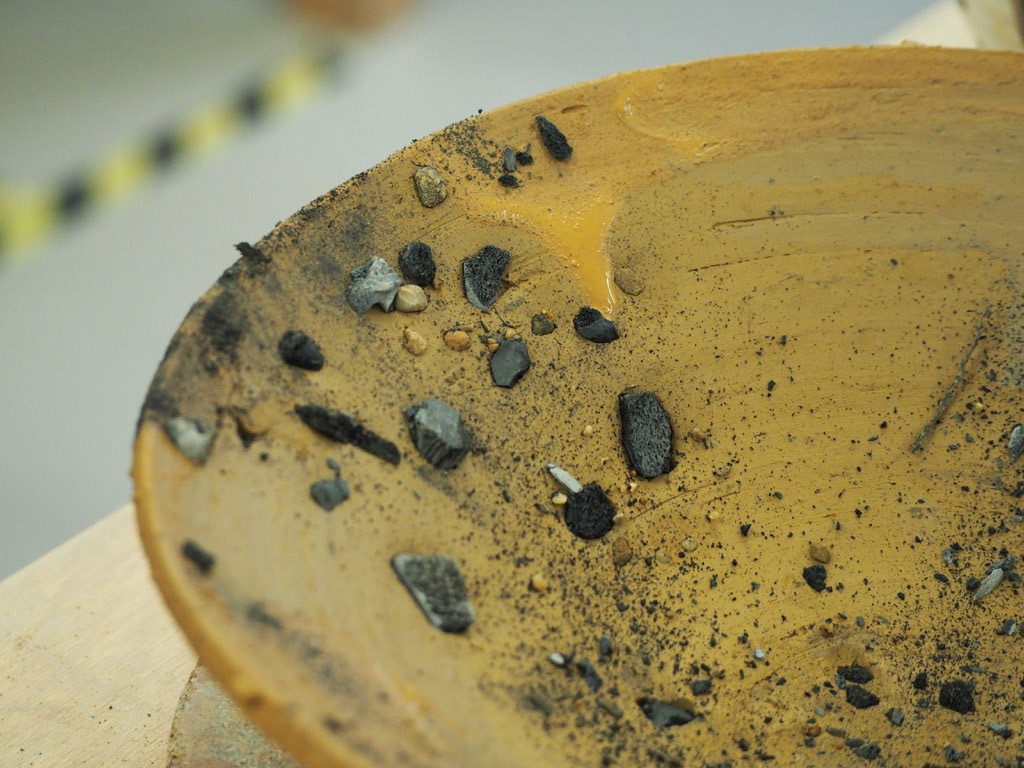
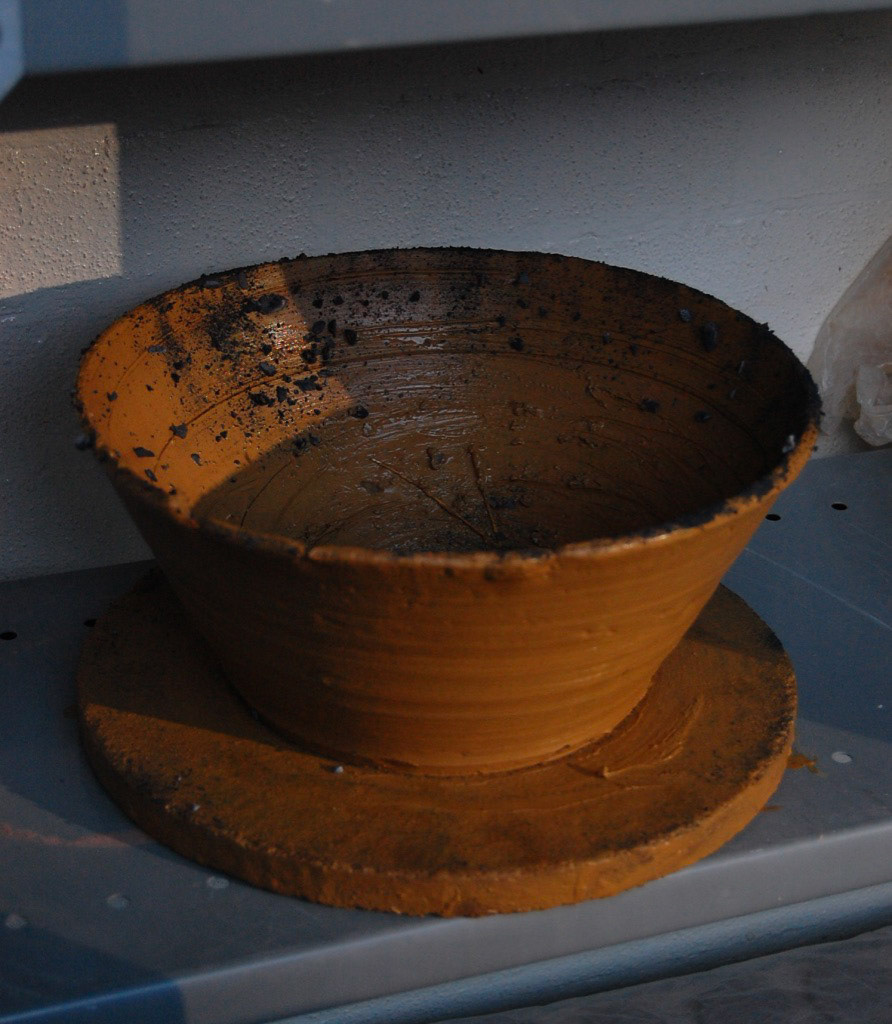
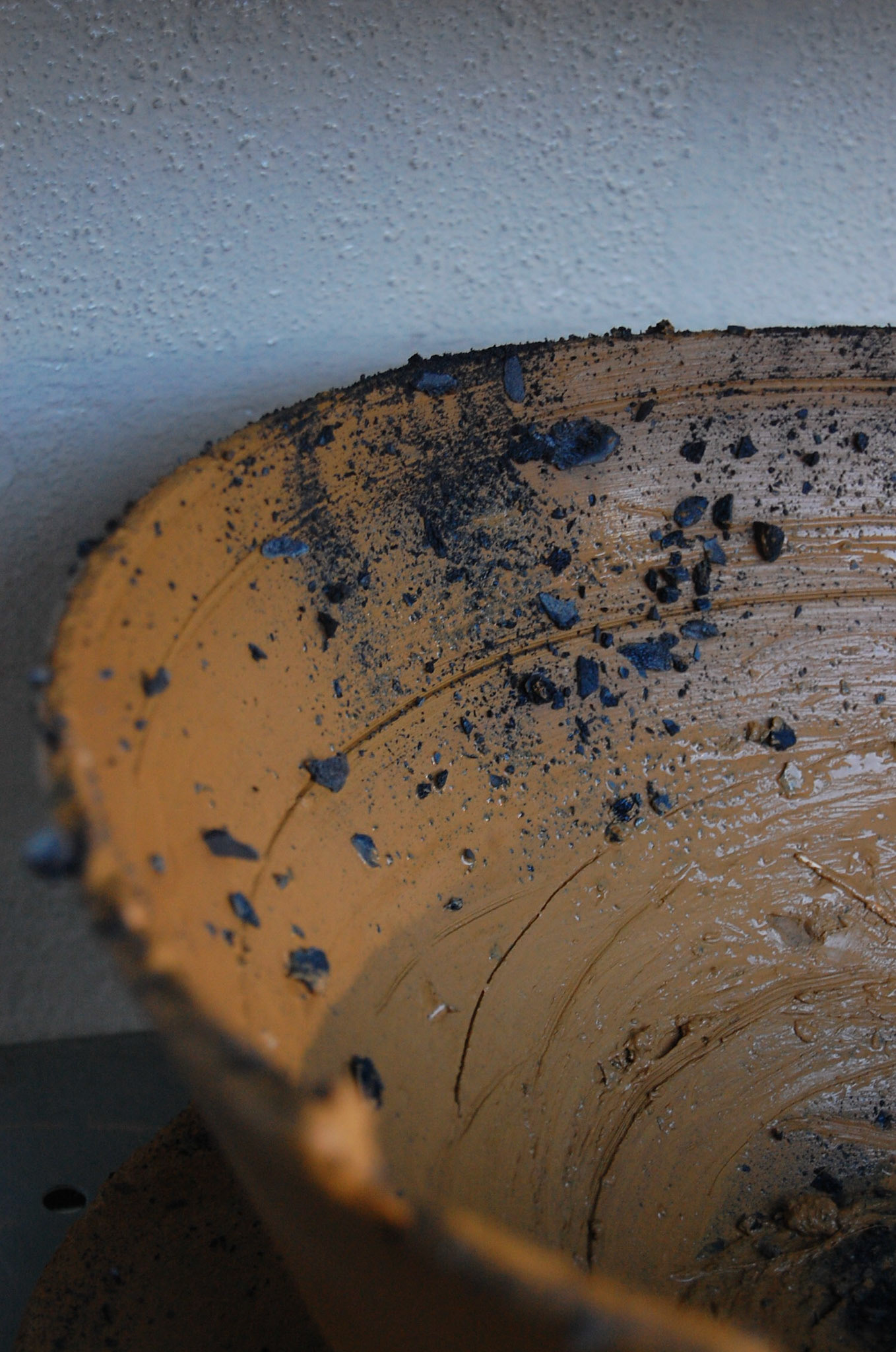
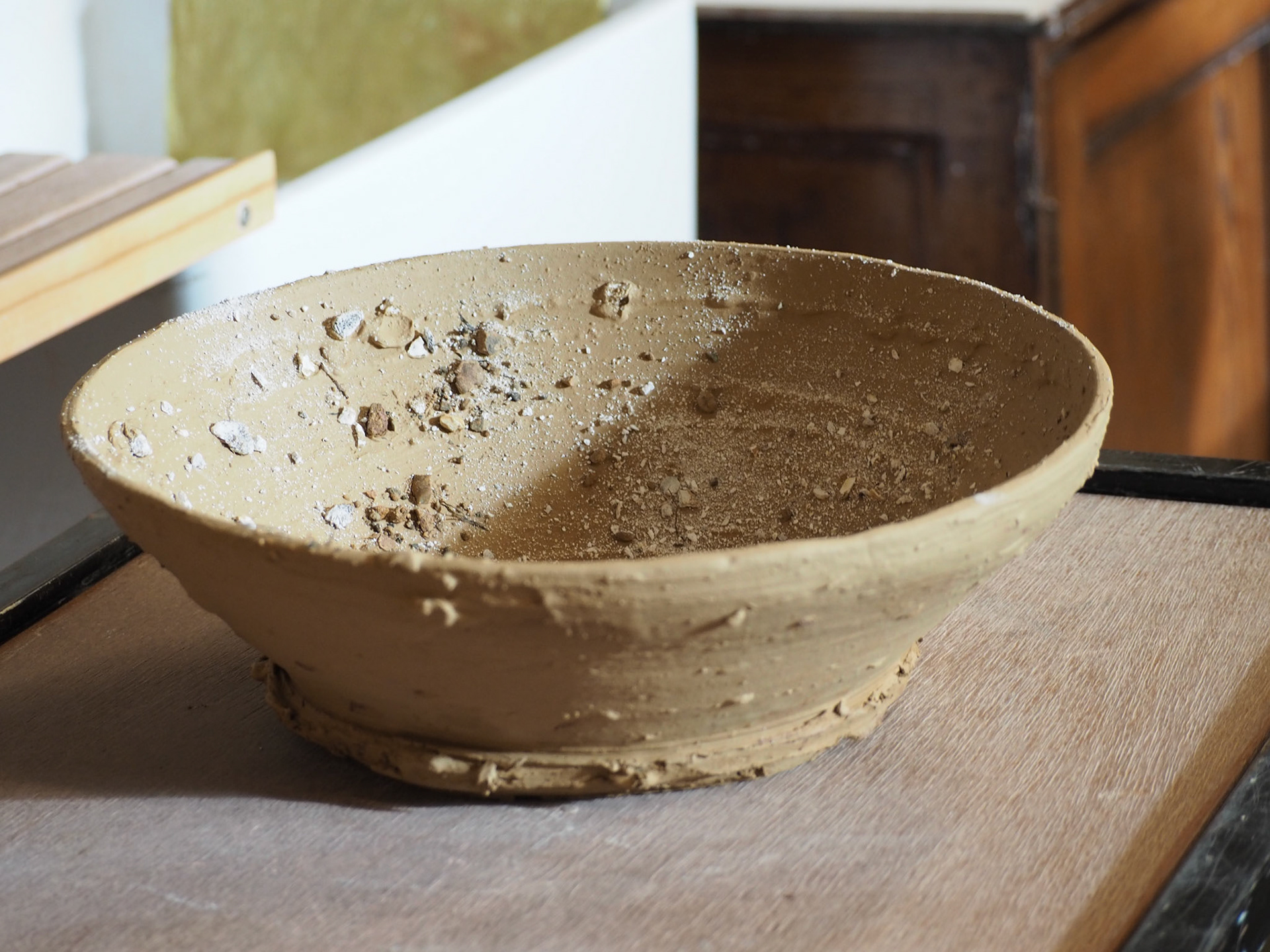
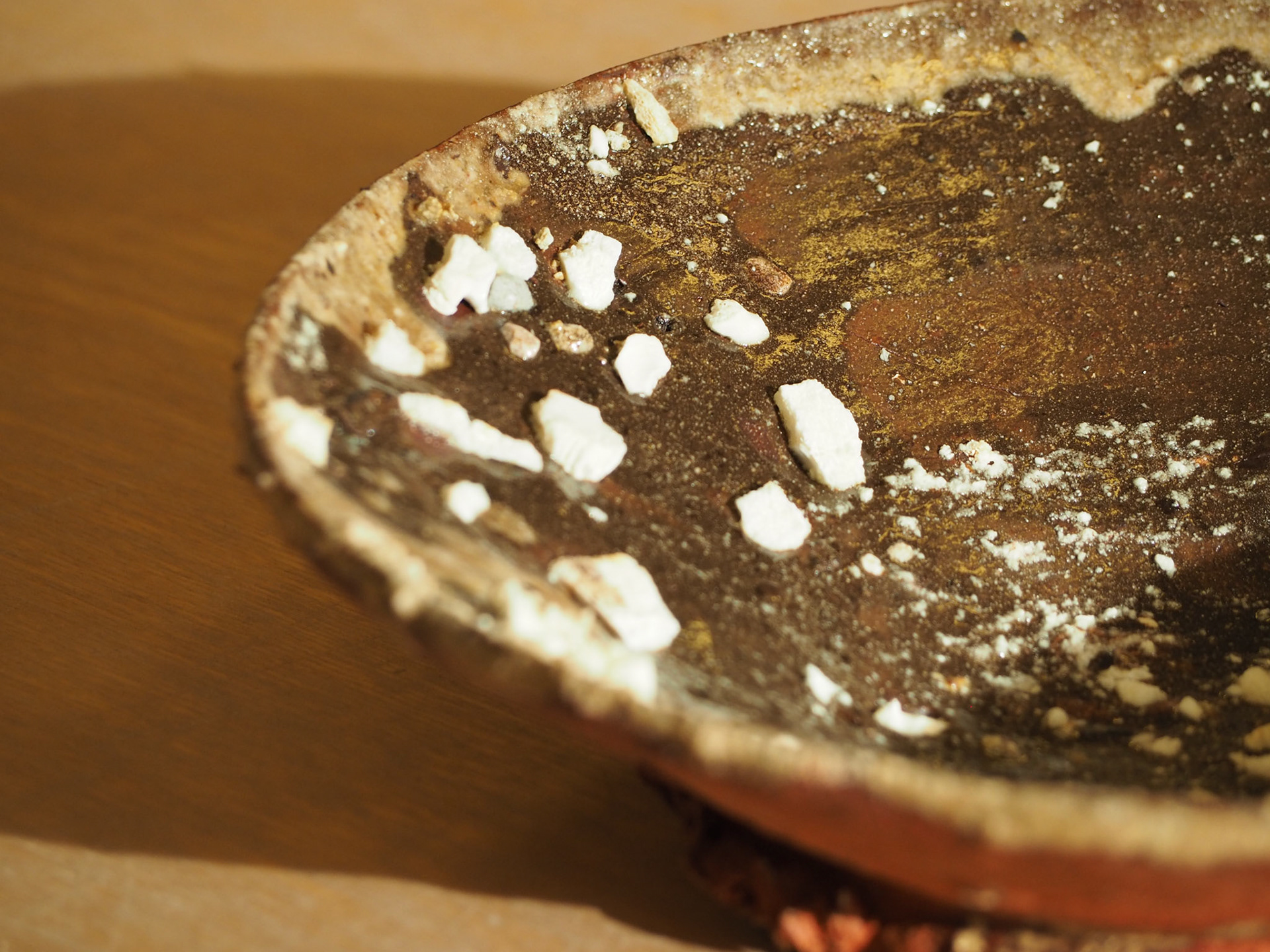
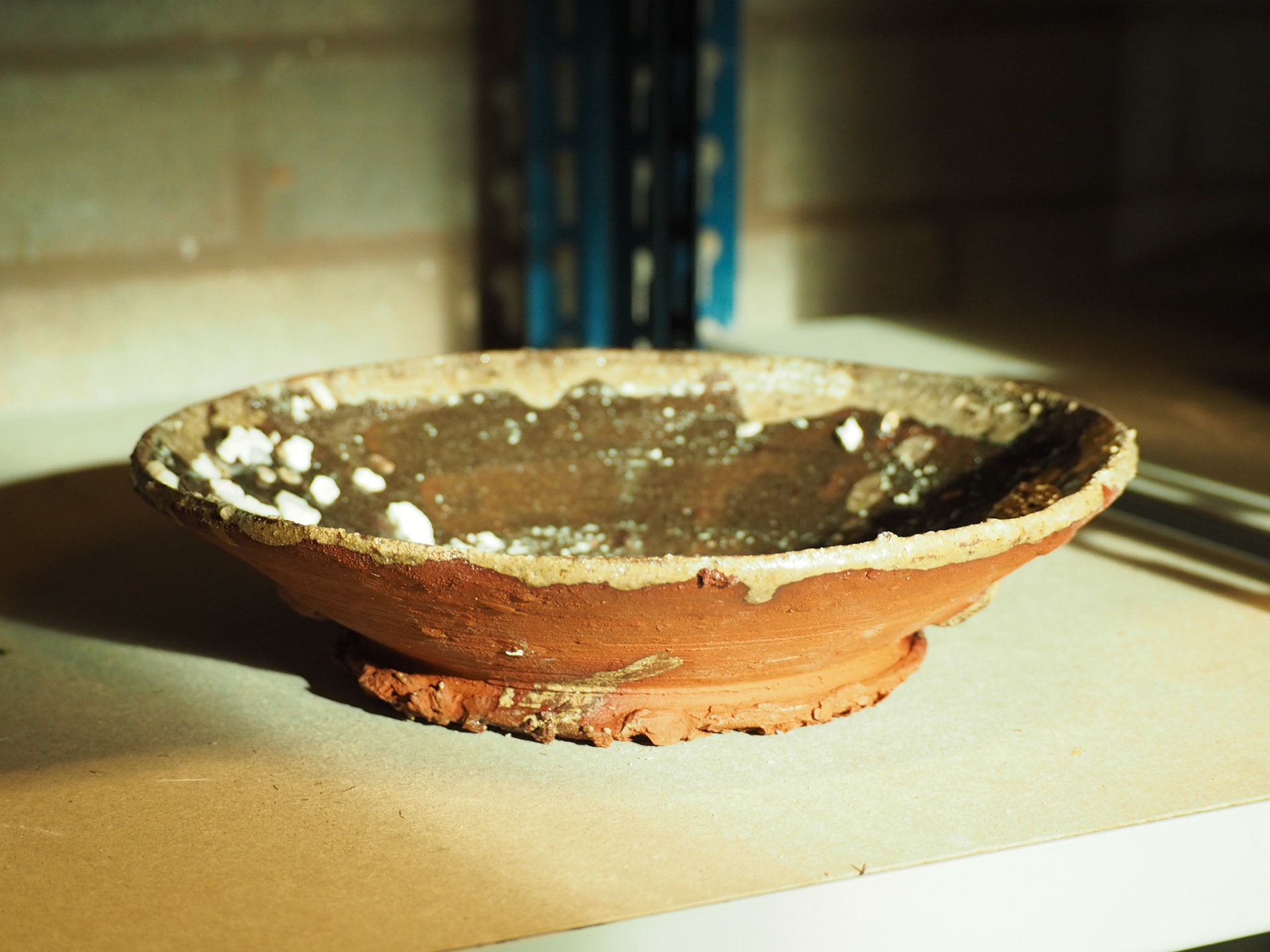
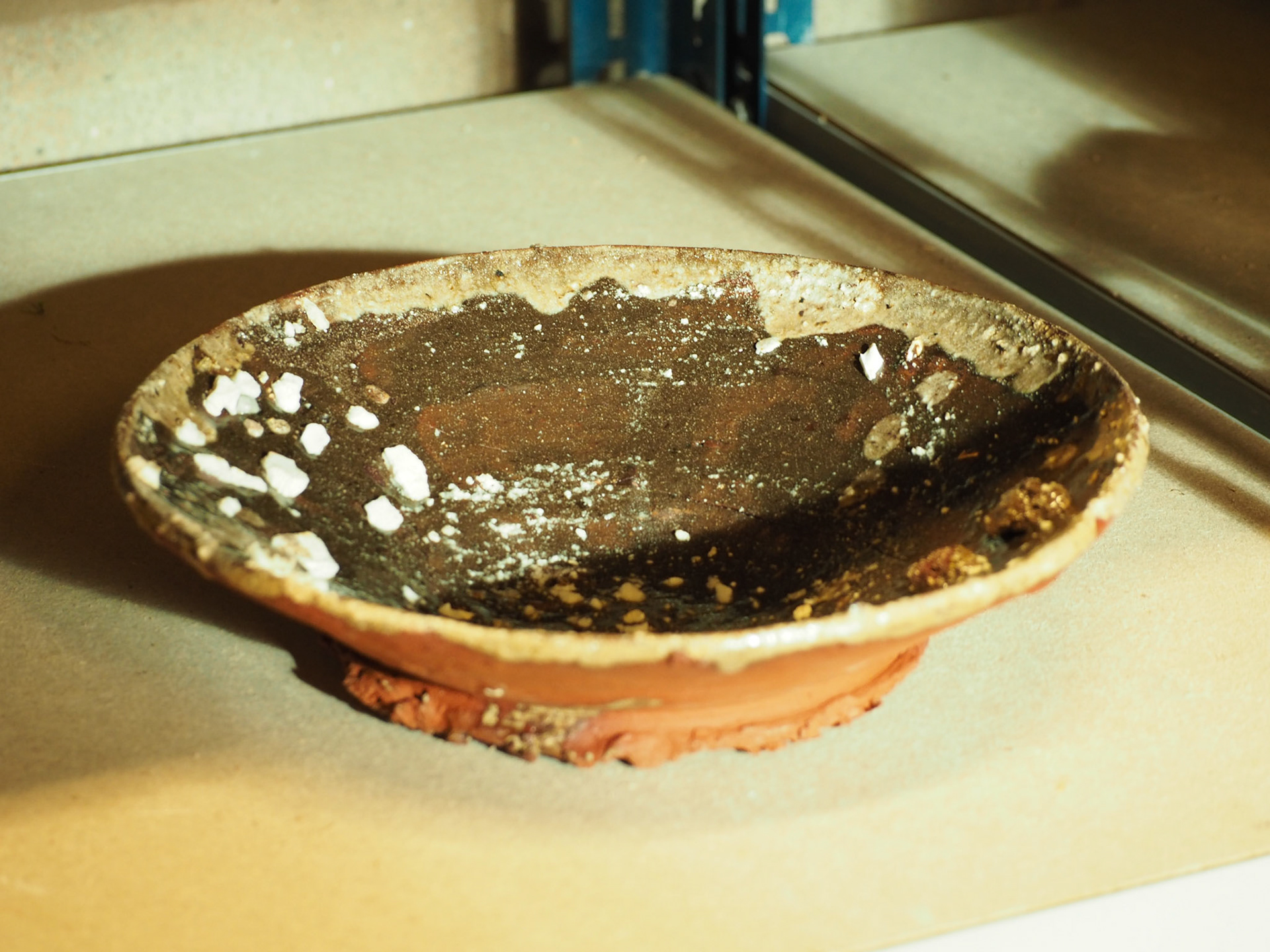
The photos below show my process and series of hogget bowls. Each bowl began as a 500-gram lump of foraged clay, progressively containing more of the calcified bone. As the bone is only crushed and not powdered, as it would be in traditional bone china, it has caused the bowls to deteriorate and crack as I was throwing them on the potter's wheel. This has produced an intriguing series and material outcome, that juxtaposes with the characteristics of traditional bone china.
The additional bone starts to diminish the functionality of the bowl and introduces a more decorative and abstract element to each object.
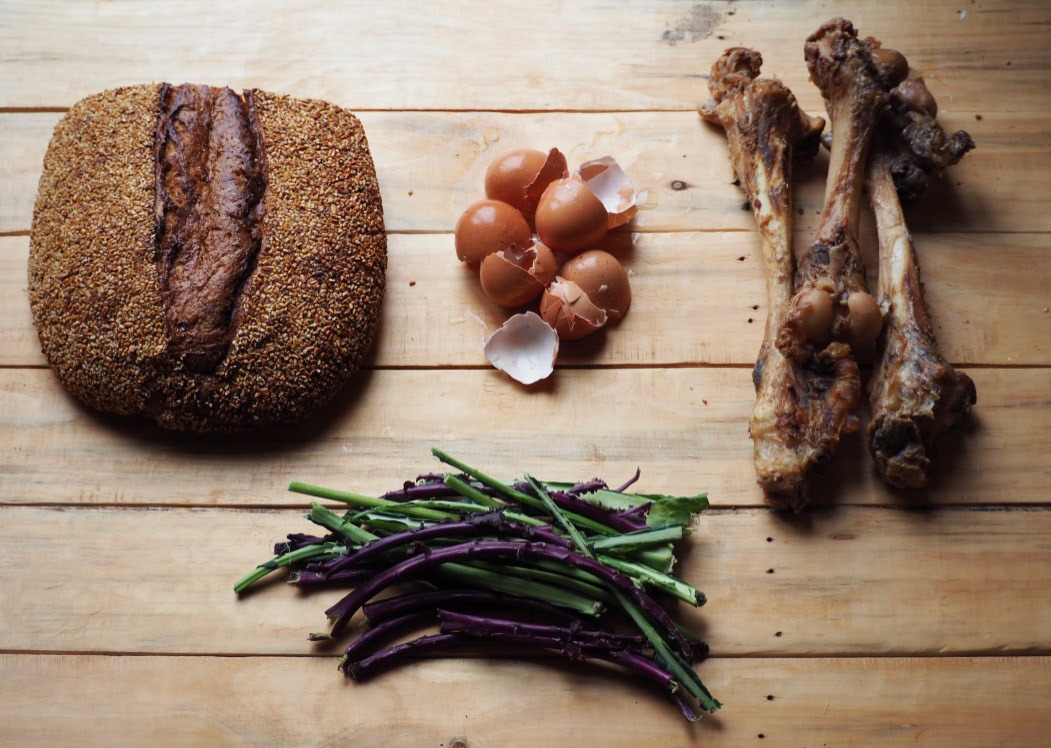
Waste from the restaurant Tonco
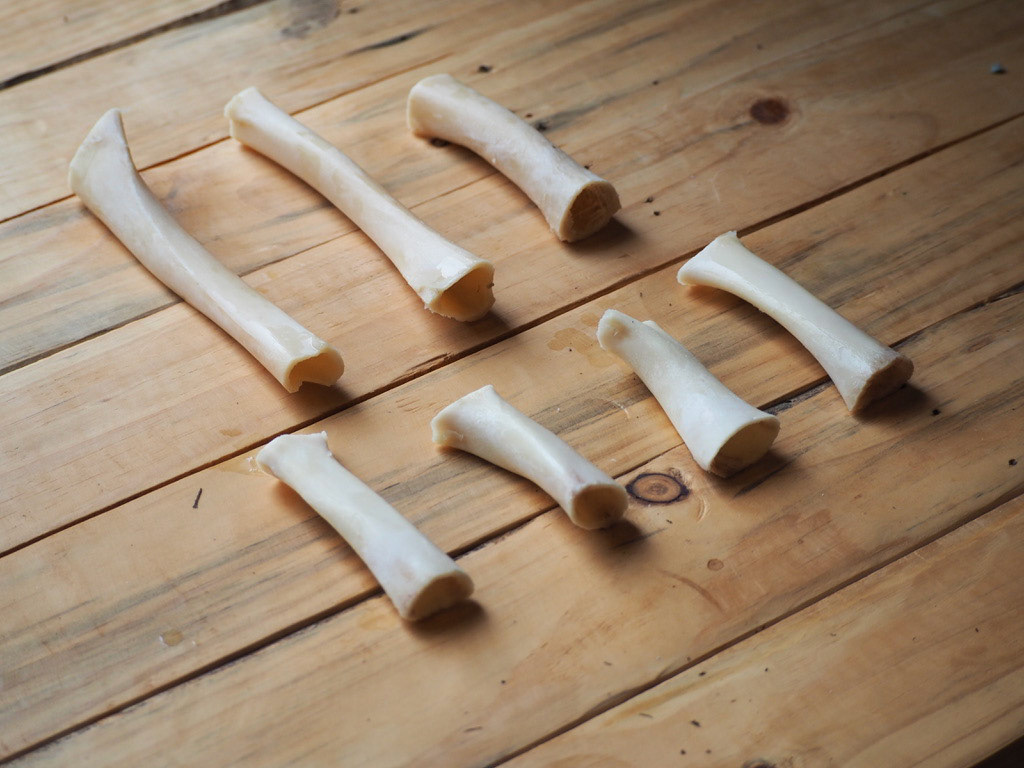
Bones cleaned ready for bisque firing
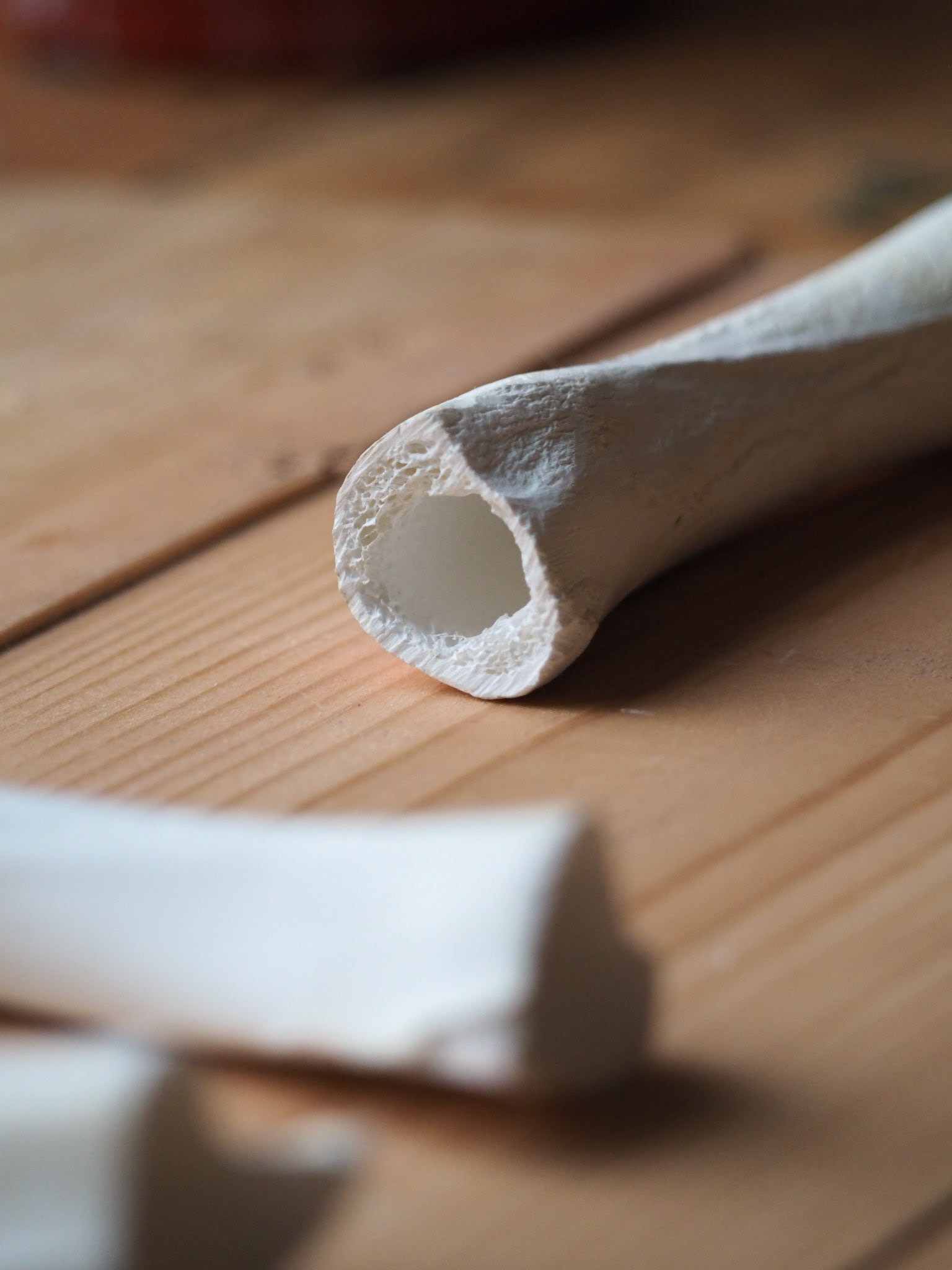
Calcified bones
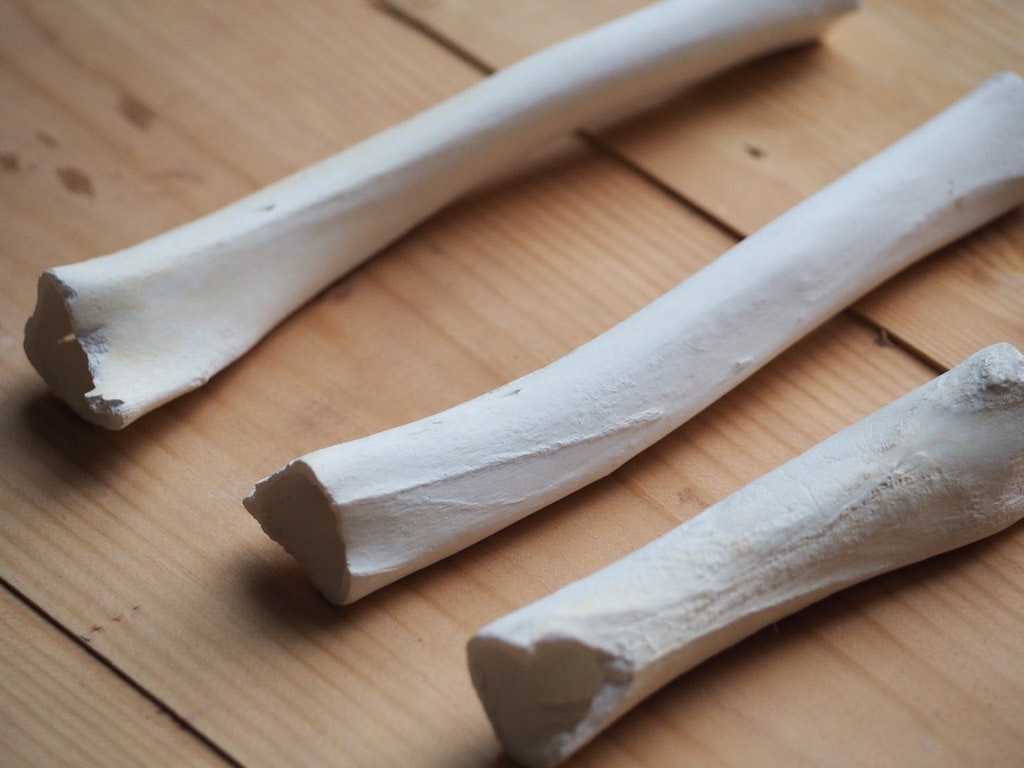
Calcified bones
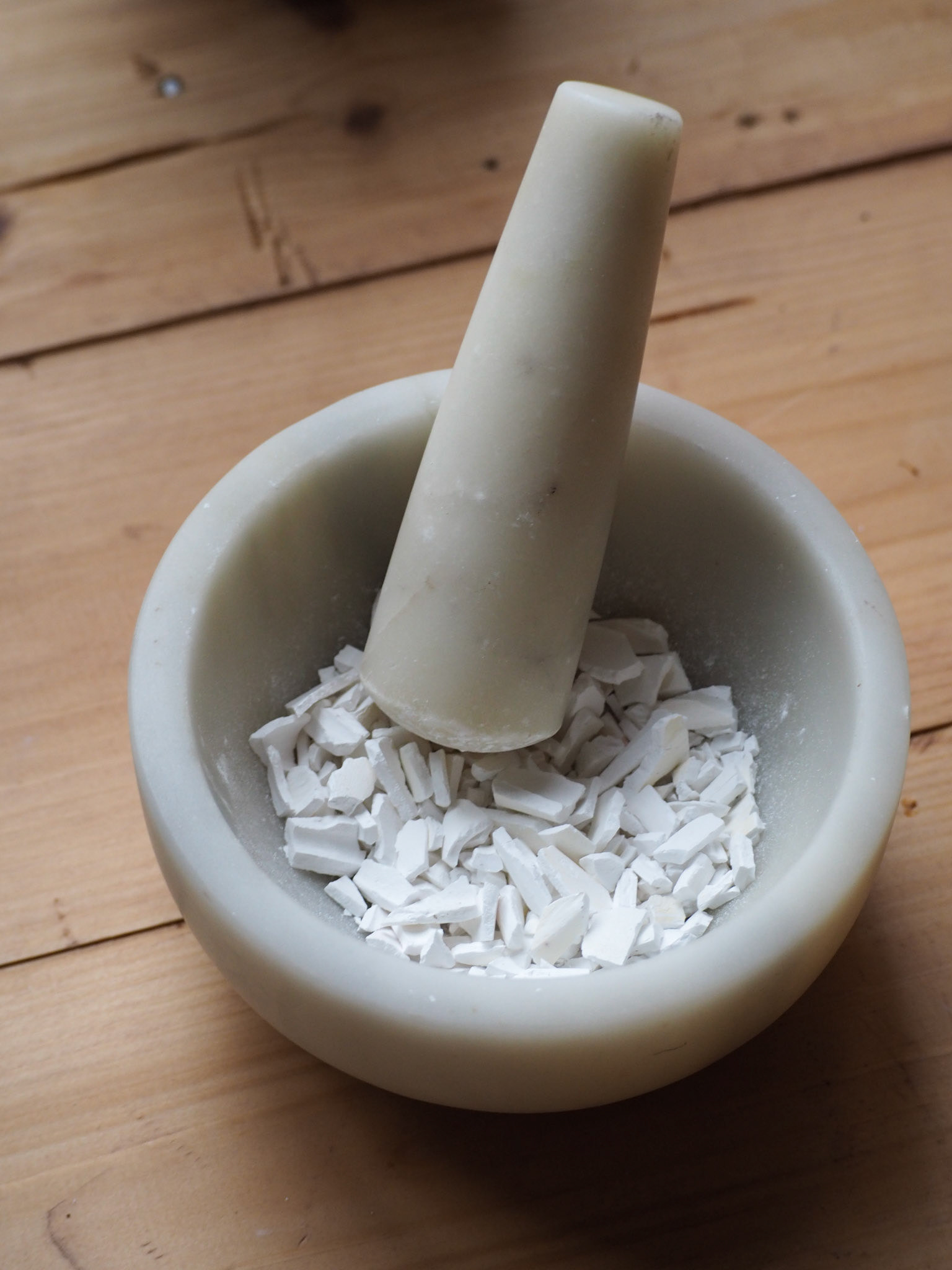
Crushing bone
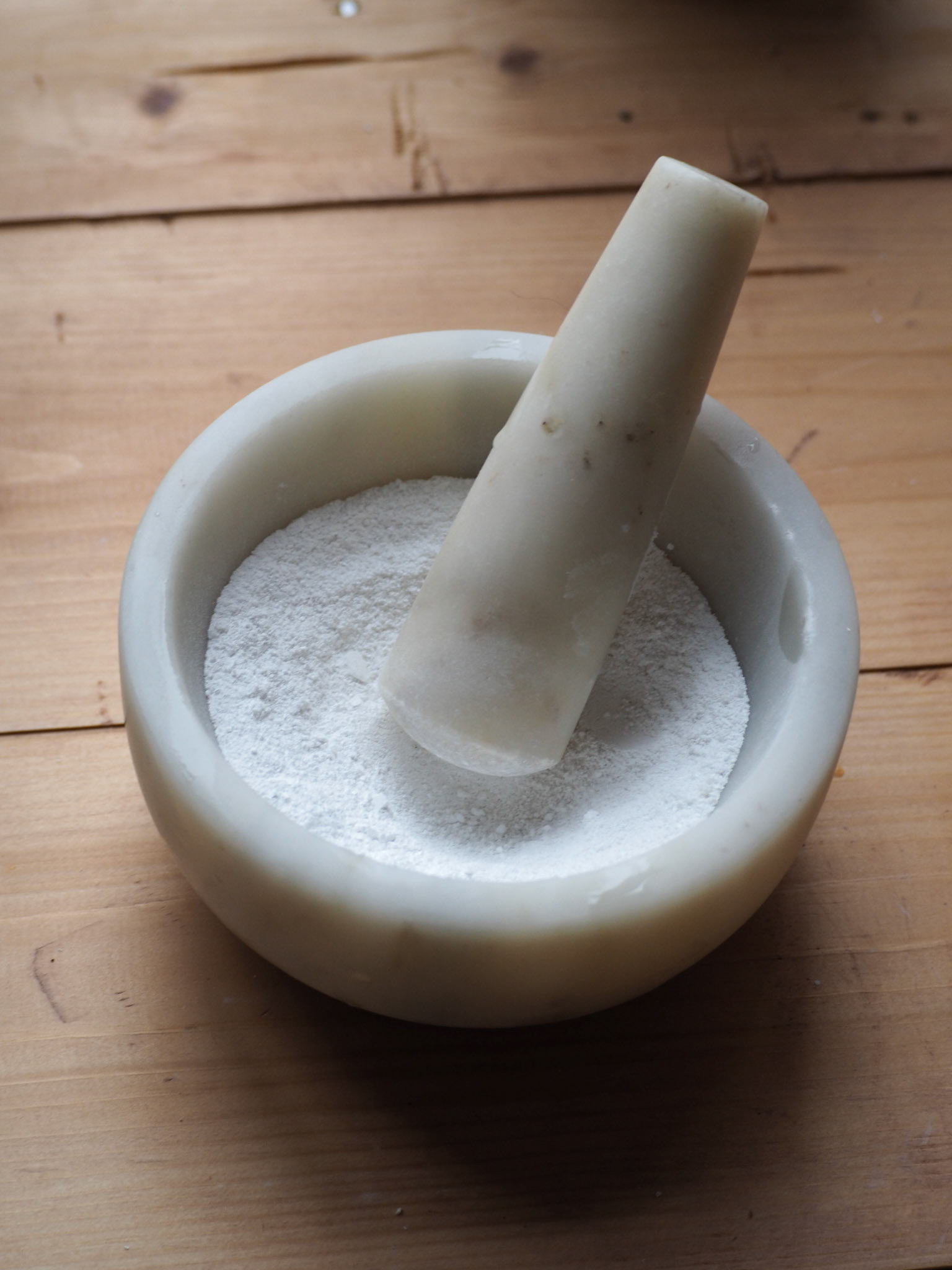
Powdering bone
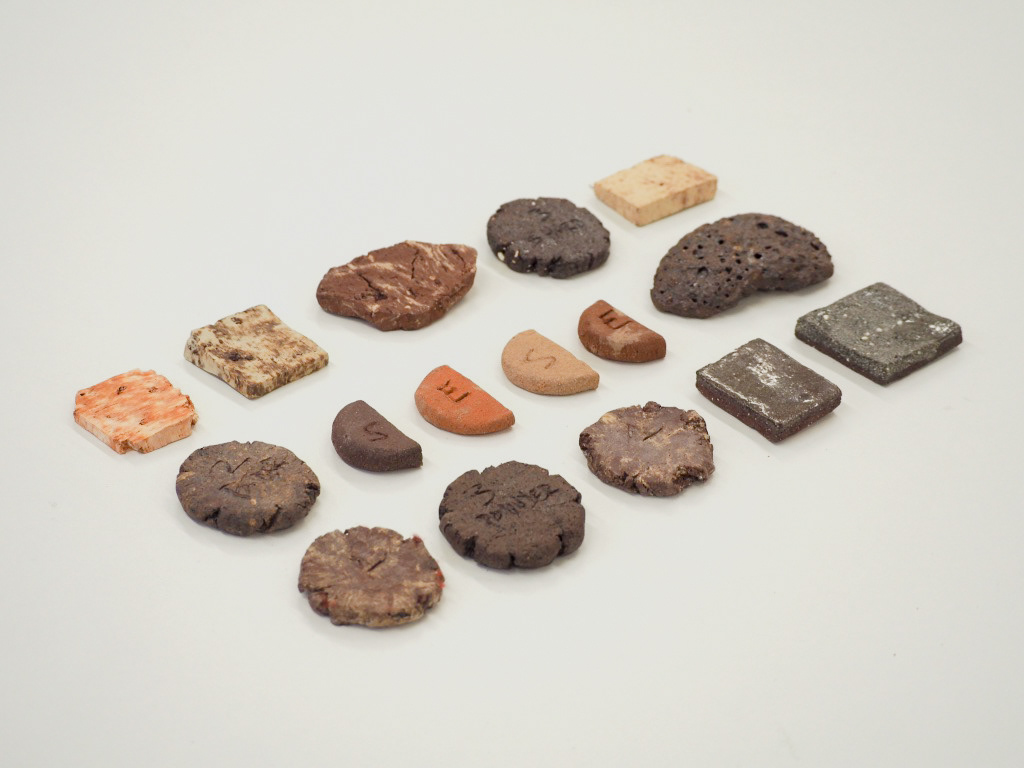
A selection of clay samples from Keeper's cottage organics
Exhibits the material potential of the farm and the amazing variety of clays. I have been firing the tests to a selection of temperatures to explore as many possible colour tones and textures that can be created.
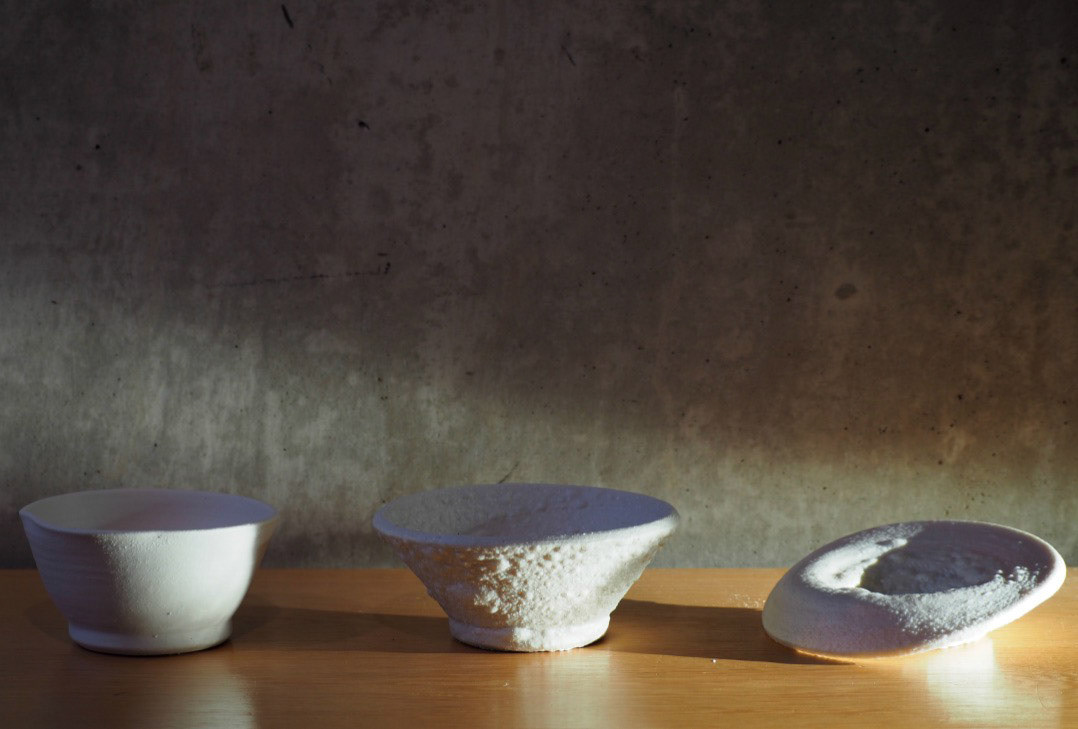
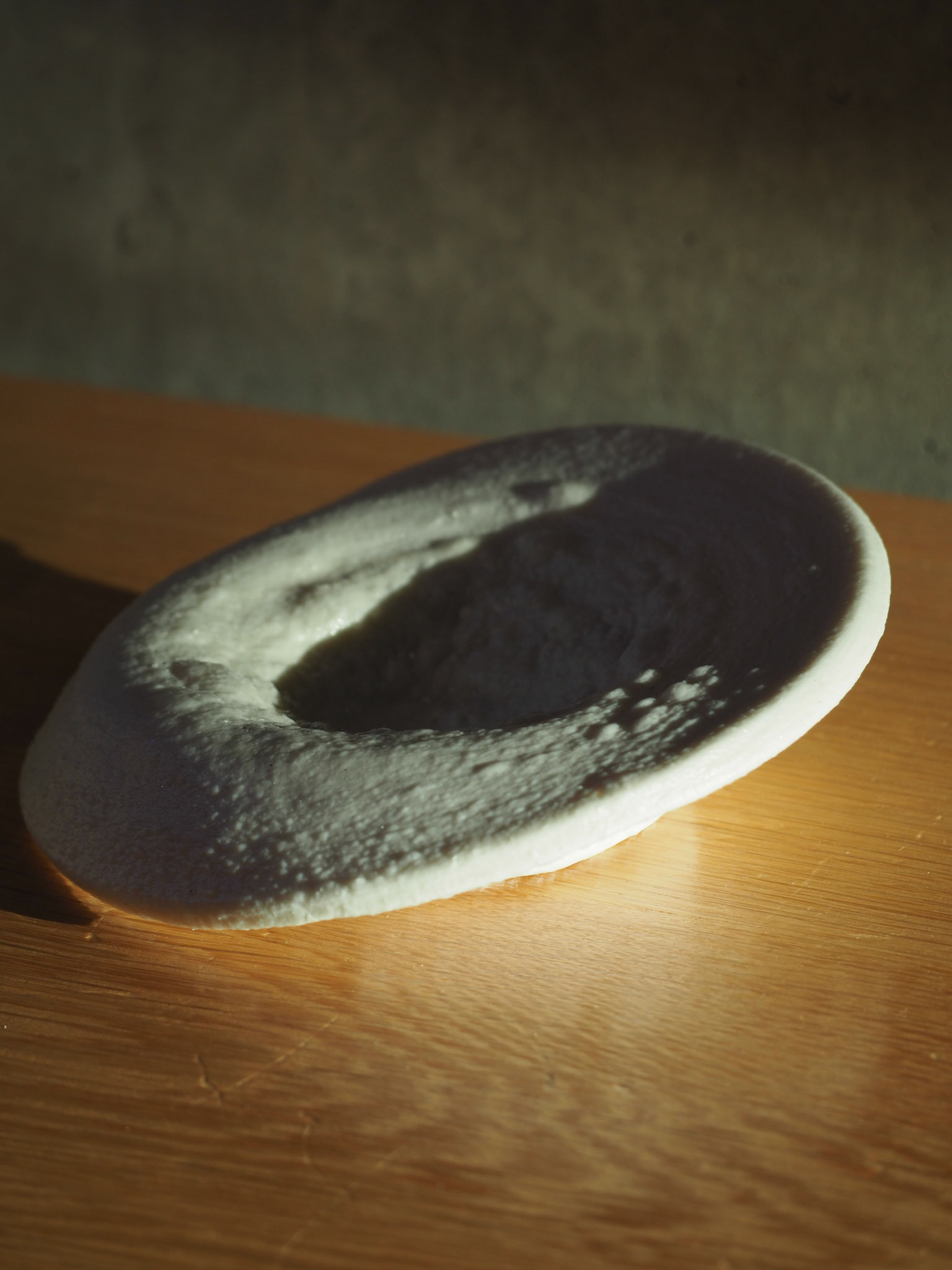
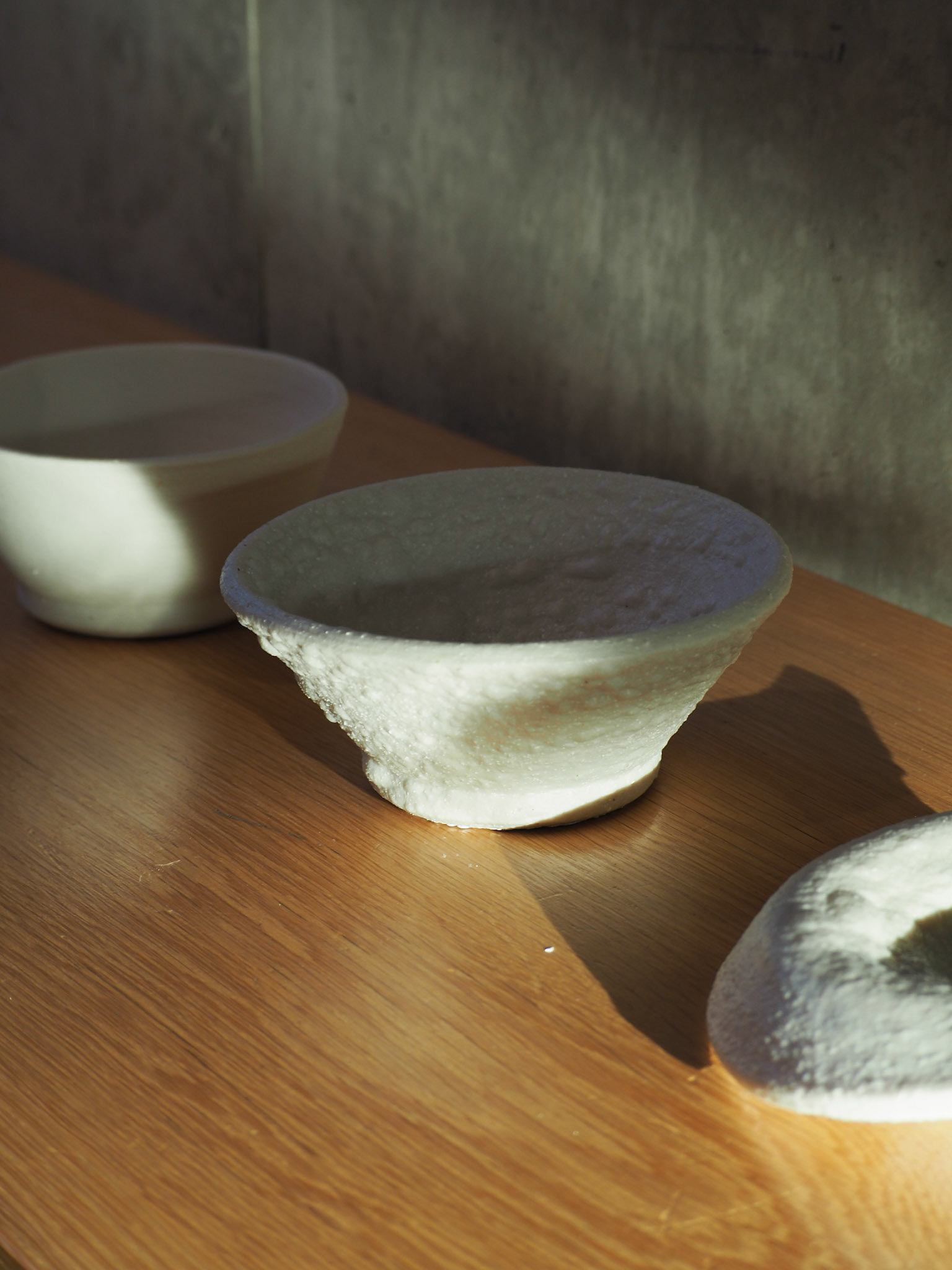
Porcelain & Bone Bowls
A test that combines ground hogget bone from keeper's cottage farm with commercial porcelain. In contrast to using wild, foraged clay that the animals have been grazing and fertilizing, I chose to experiment with a completely opposing clay body. By doing this, it created a material that has more in common with traditional bone china.
Fallowfield Clay / Bone bowls
I was intrigued by intertwining clay that had been sourced from central Manchester with bone from the peak district. I felt it could introduce a hyper local, more personal aspect to the works. potentially representing the collaboration of chef and farmer, with one being based in a city and the other in the countryside.
However, on reflection, it lacks the depth and connection that clay from the farmland has.
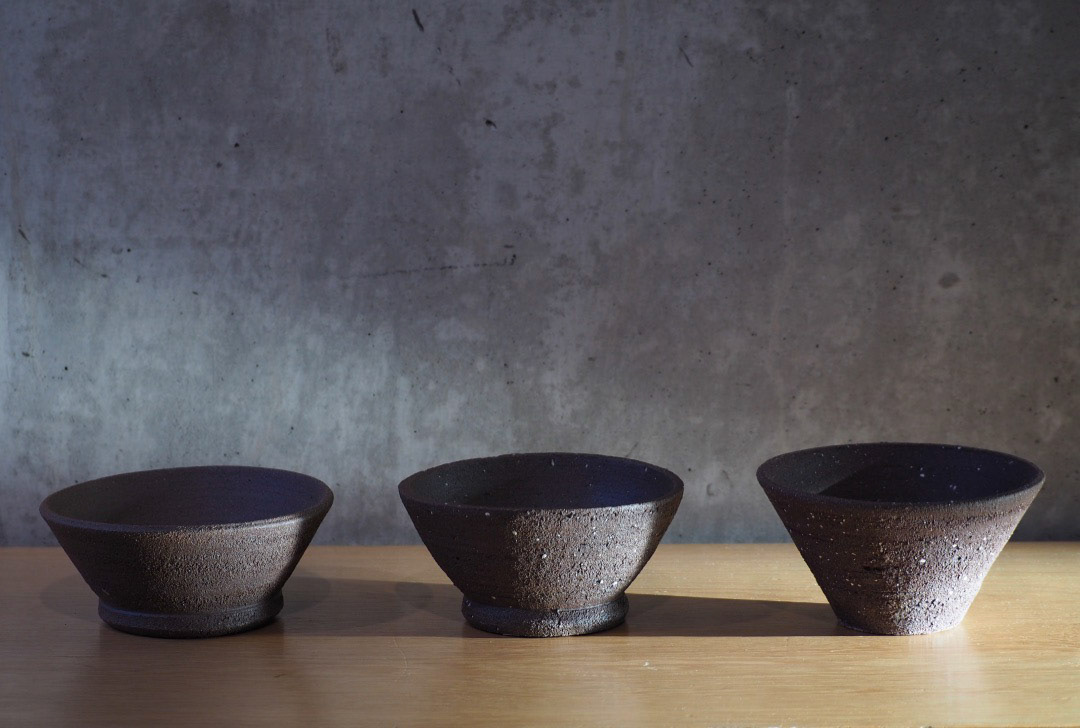
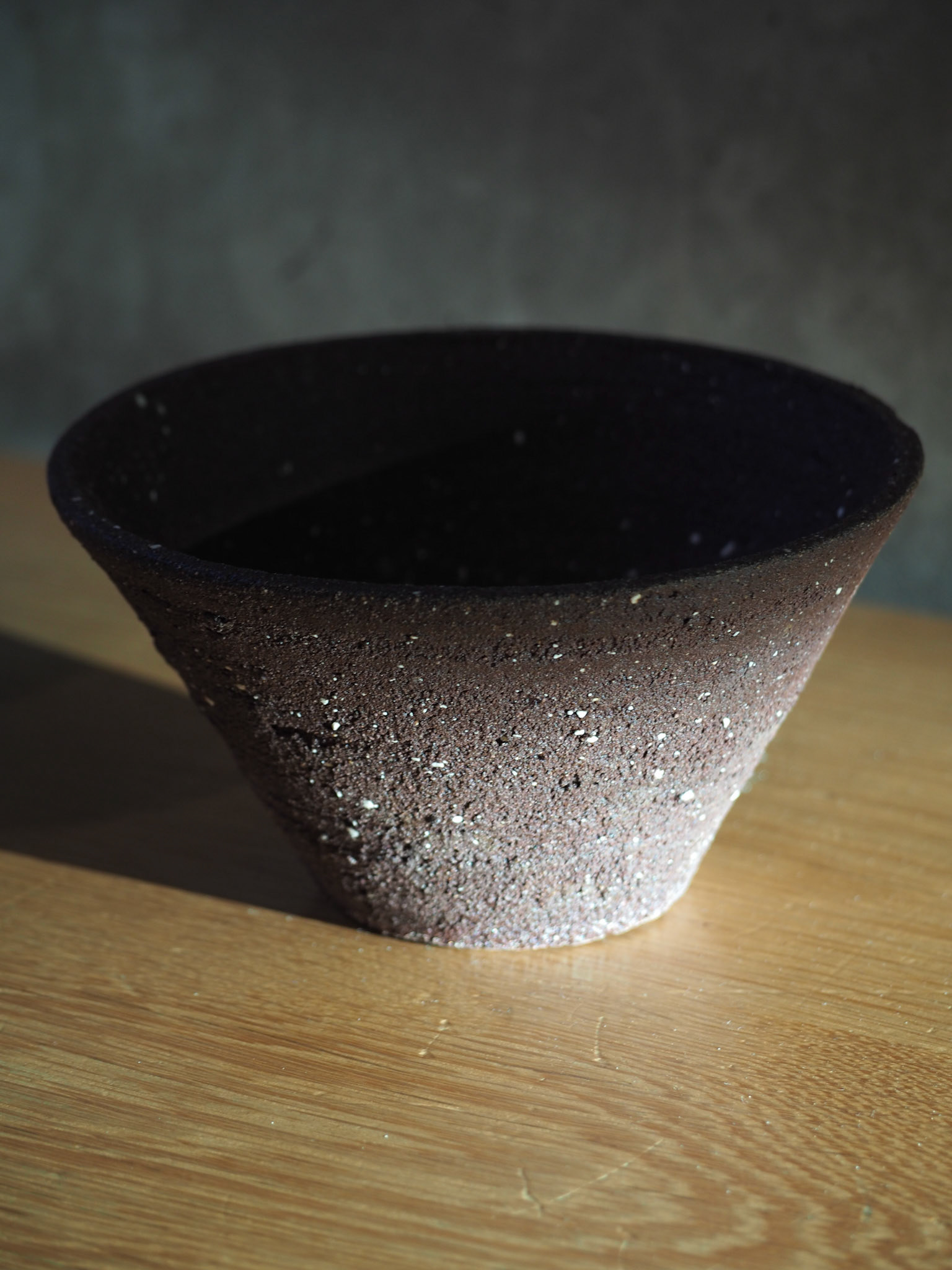
A selection of bone bowls.
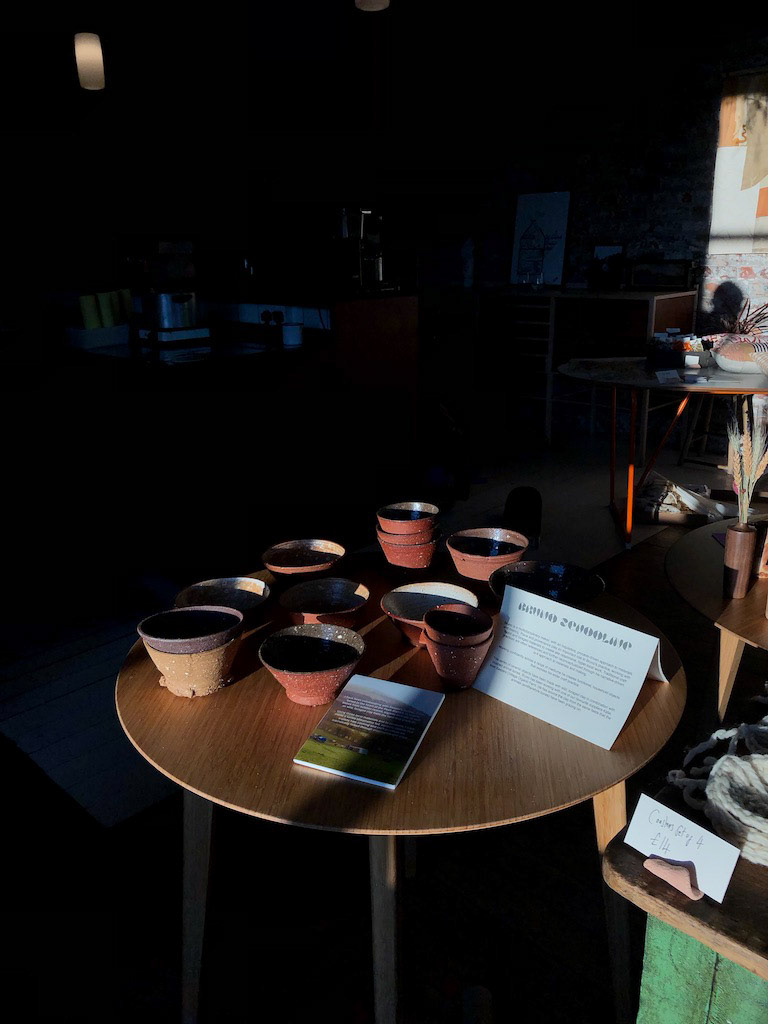
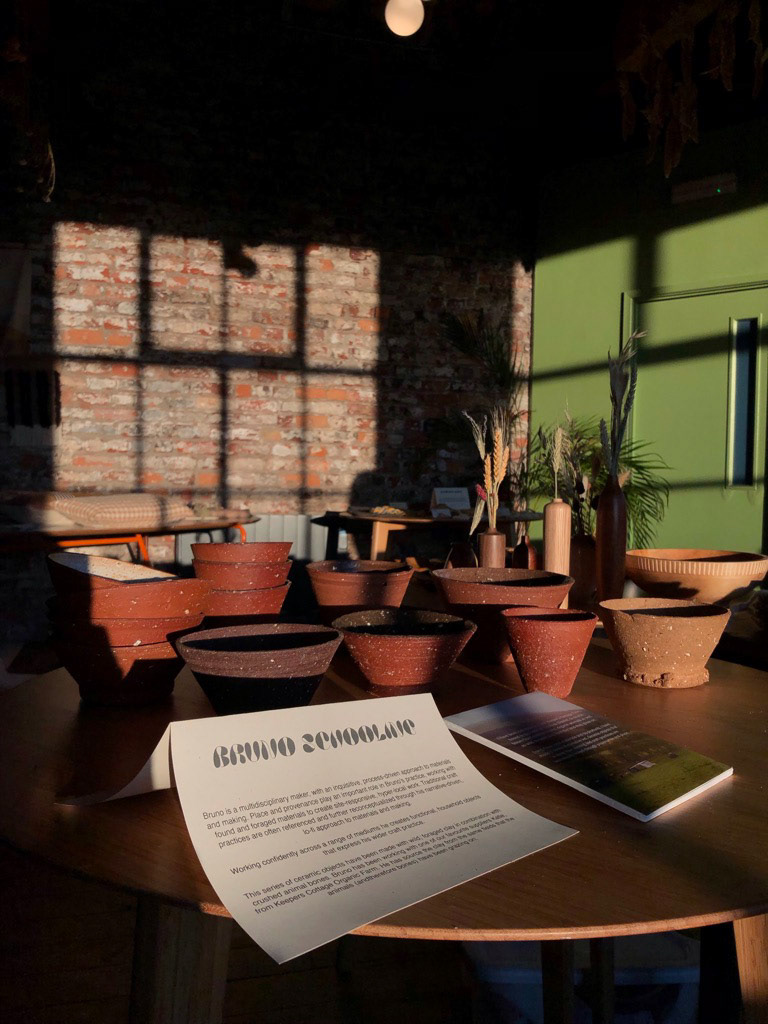
The photos below show a range of functional vessels I have made over the past few weeks in preparation for my stall at the restaurant where the light gets in. I'm really pleased with the aesthetic style of the objects and feel they match the ethos of my project.
I've enjoyed using the form of a bowl to exhibit my bone material and its different characteristics. However, I feel at this point I have exhausted this area of my project, and I want to really push the material and its link to the farm and animals through some new tests.
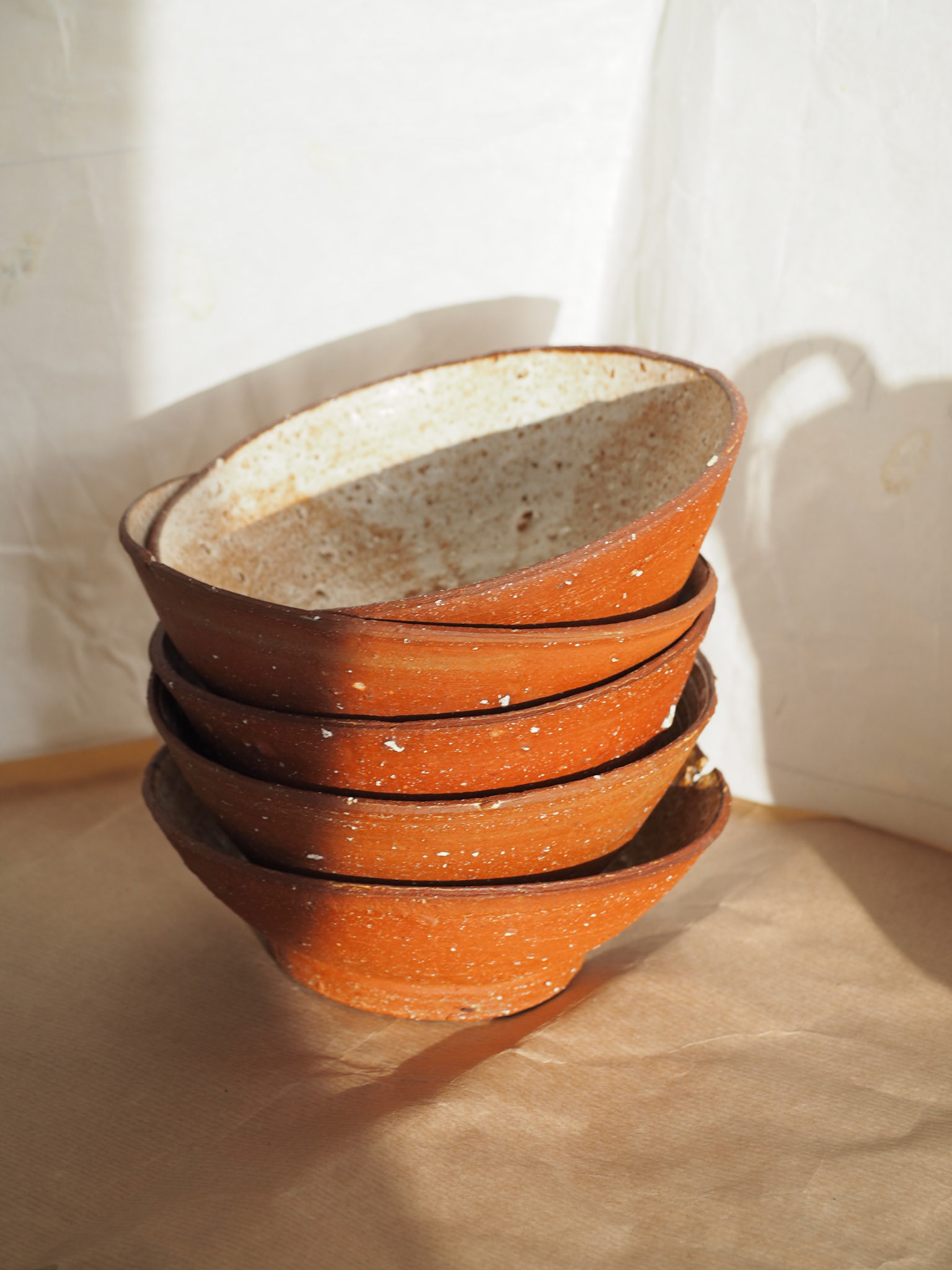
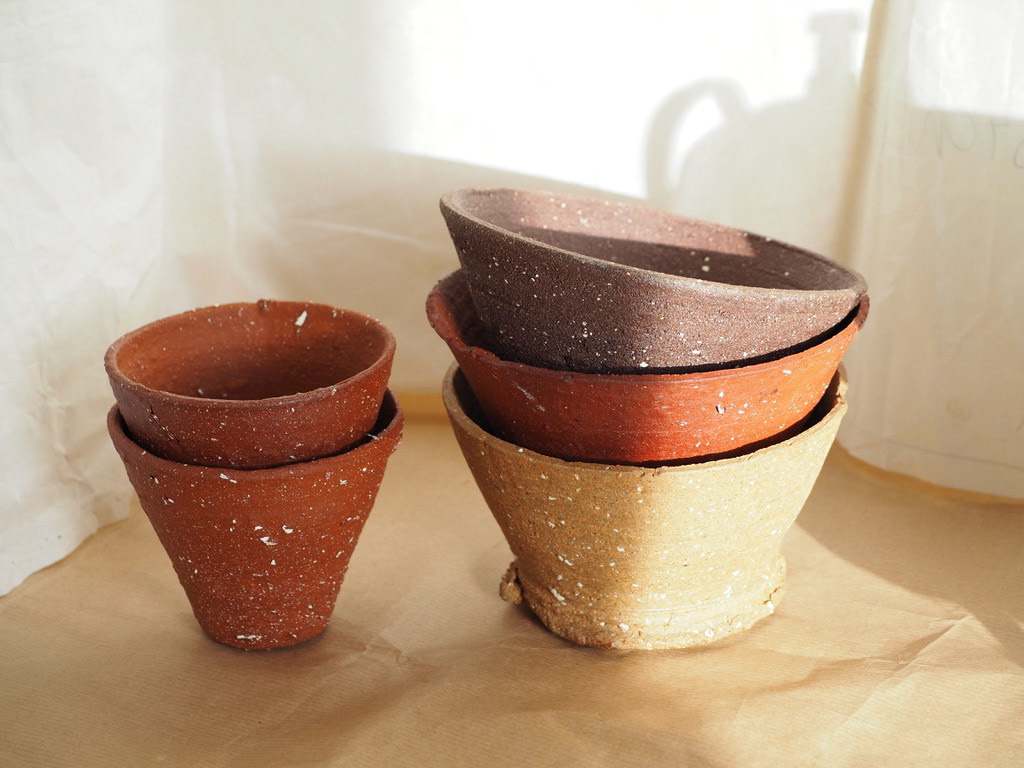
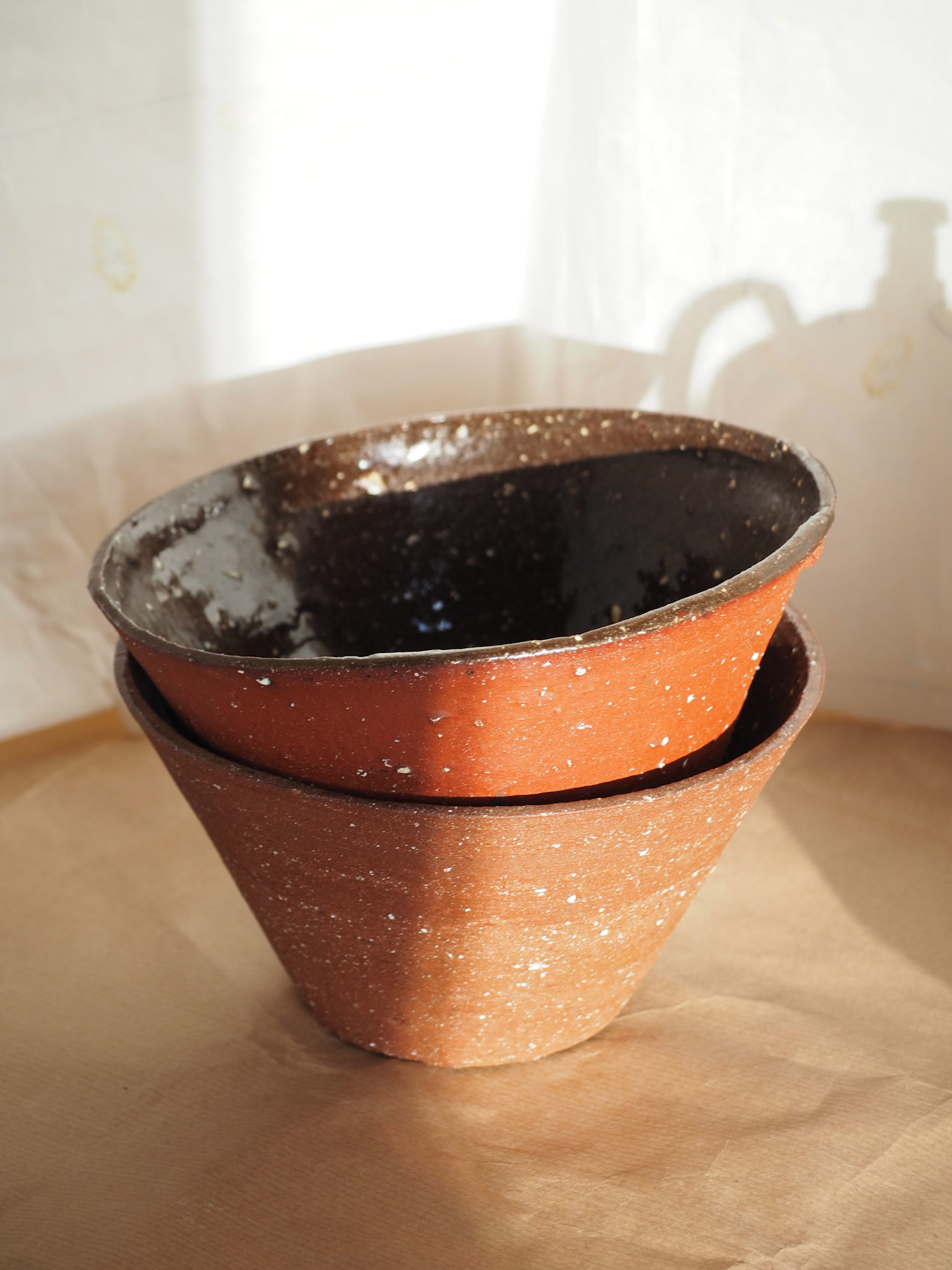
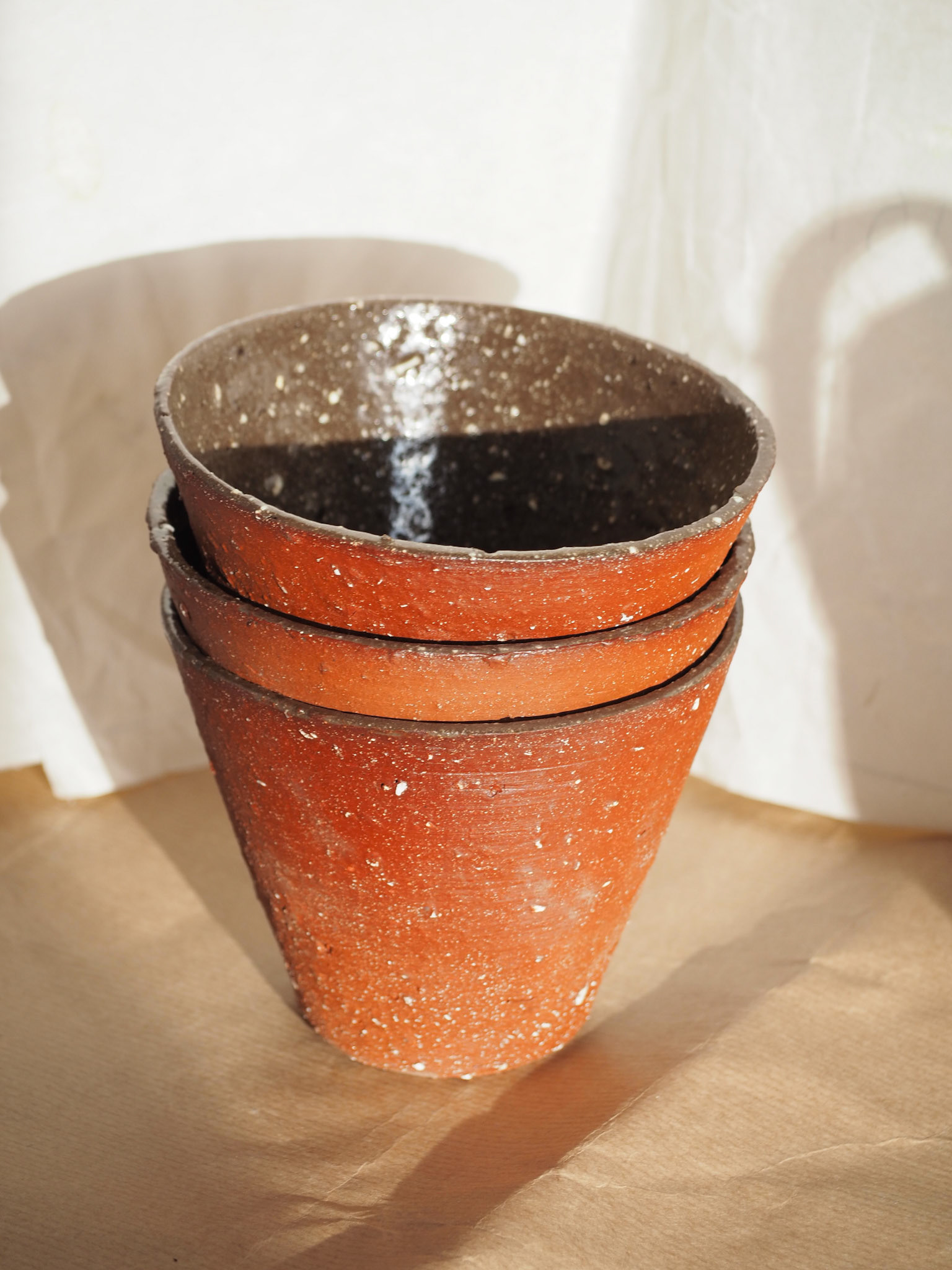
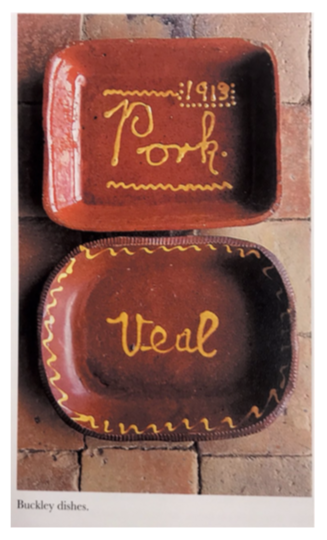
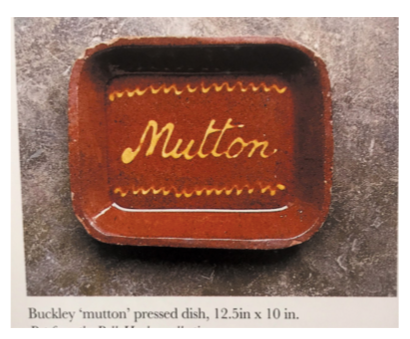
Taking inspiration from traditional 'buckley' baking dishes and how they have the assigned meat scribed in slipware. I have engraved the type of bone that each bowl is made from on the bottom of every bowl.
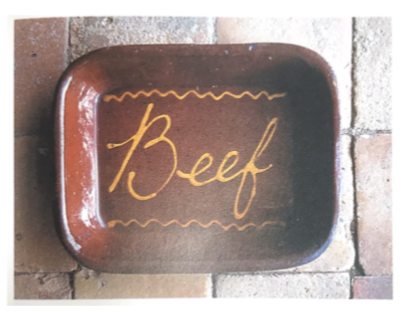
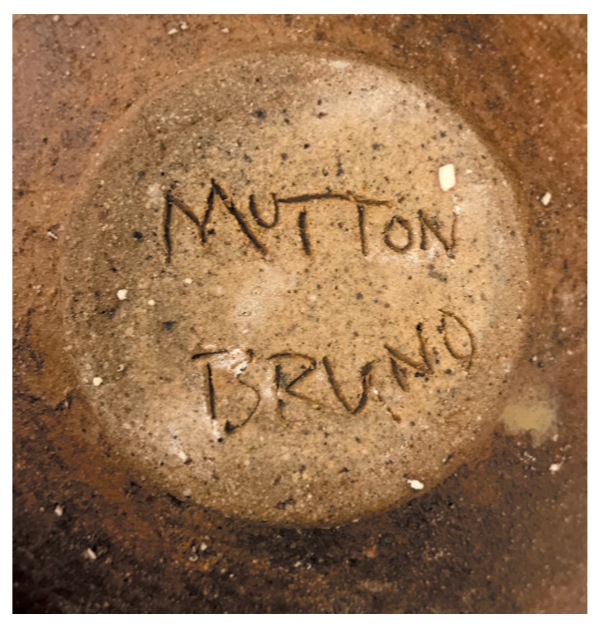
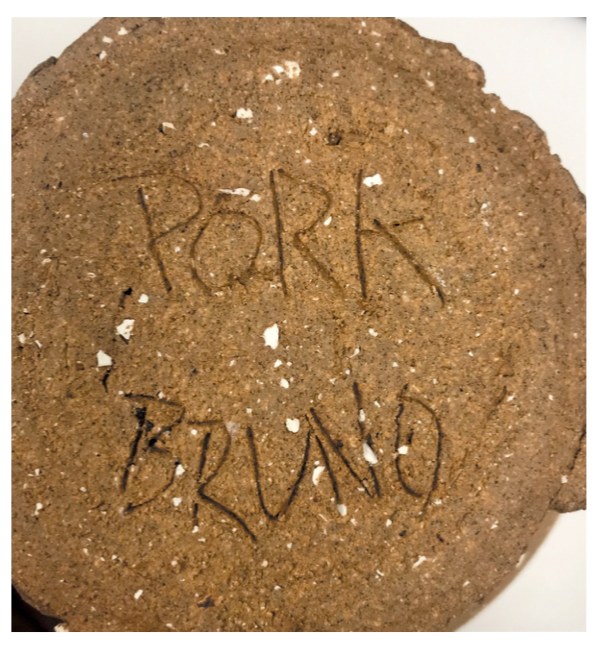
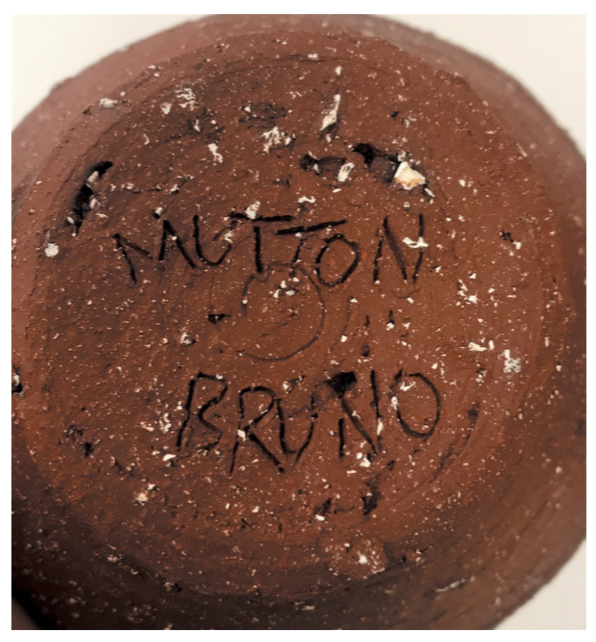
Display of my bowls at the restaurant, Where the Light Gets in
This was a really significant point for me in the project, WTLGI have been an ongoing inspiration to my work and research throughout this project. To have the opportunity to show my work in the restaurant was not only something i was proud of but a great contextualization for my work.
Katie supplies the restaurant with a high percentage of their meat produce, further closing the gap between food, my work and produce.
As a result of this display, I have been commissioned to make a collection of work for the restaurant to serve their dishes on. This will be an exciting development for my project and portfolio at some point in the future.
Bone ash and Hawthorn ash glaze.
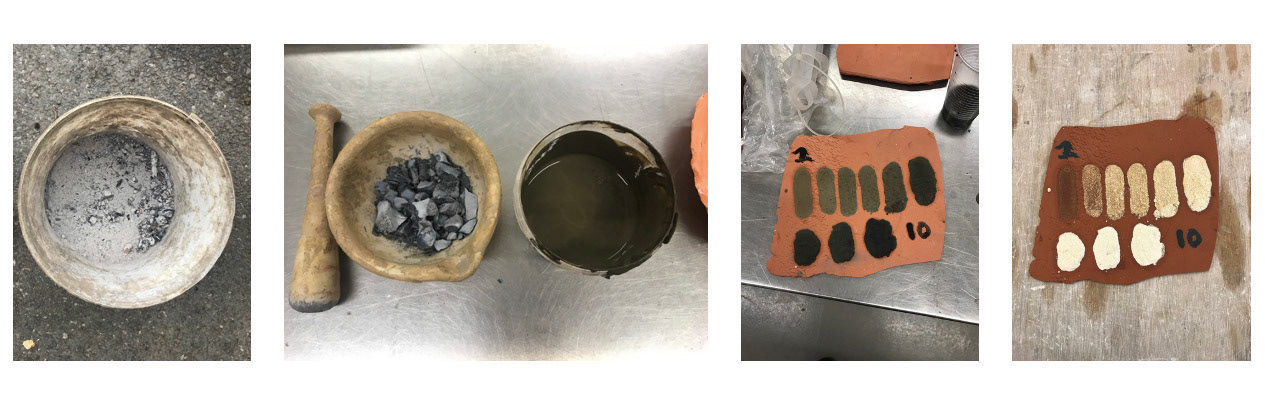
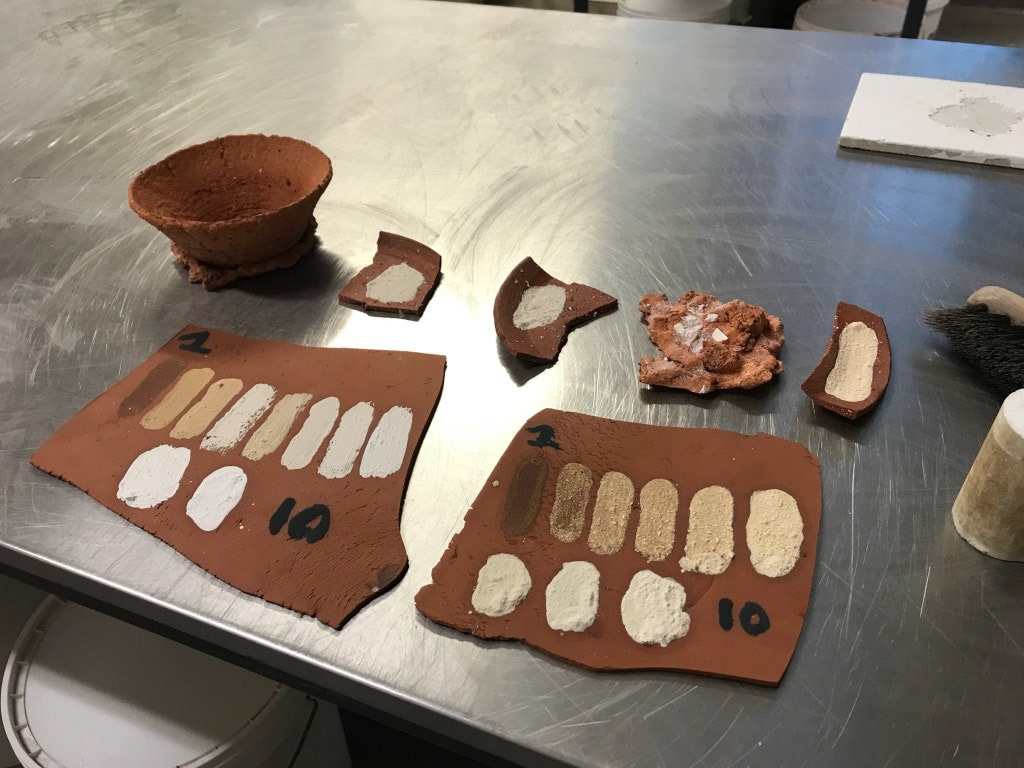
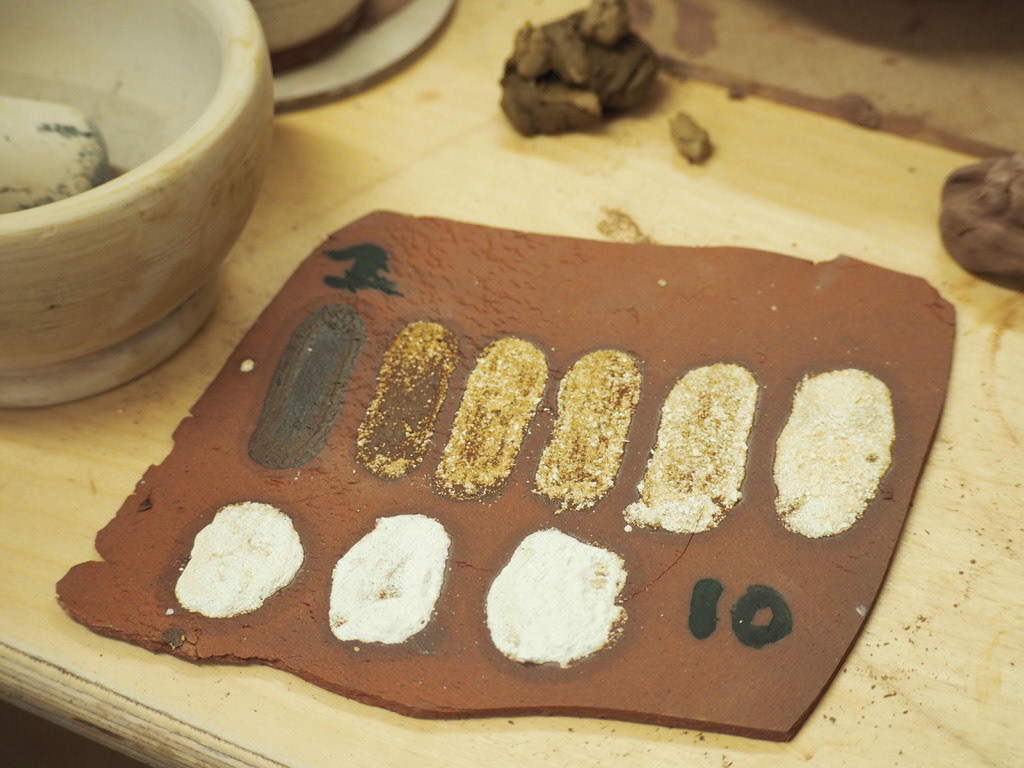
I experimented with using powdered bone ash from the farm in combination with foraged clay and ash from fires on the farmland to make a natural glaze. I incrementally increased the percentage of bone ash in the glaze tests, starting with 10% and working up to 100% bone ash. By doing this and recording the percentages I could work out the optimum glaze mix.
Unfortunately, my glaze tests still did not melt at 1140 degrees, so I then reprogrammed the kiln to fire to cone 5 (1196 degrees) in the hope this slight increase in temperature would melt the glaze.
Unfortunately, this also did not work. If I was to increase the temperature of the kiln any further it would start to melt the iron-rich clay body that I use. Although it did not create a shiny glaze, The final series of tests did create a selection of interesting color tones, these could then be added to my decorative work as an alternative to using colored slips.
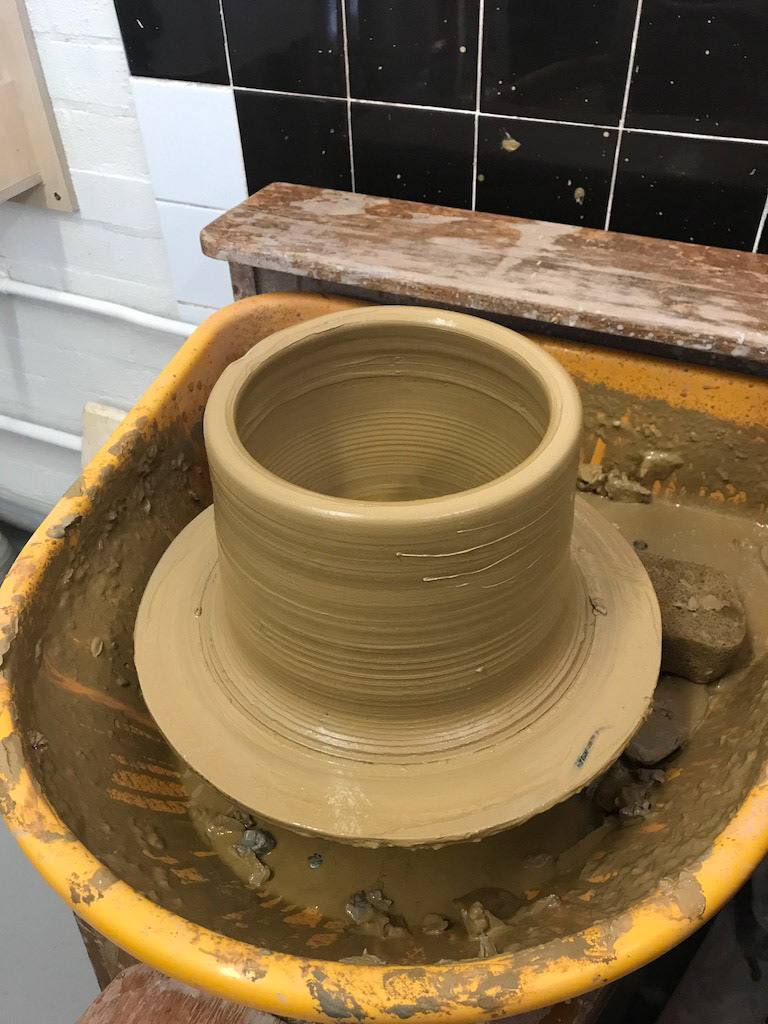
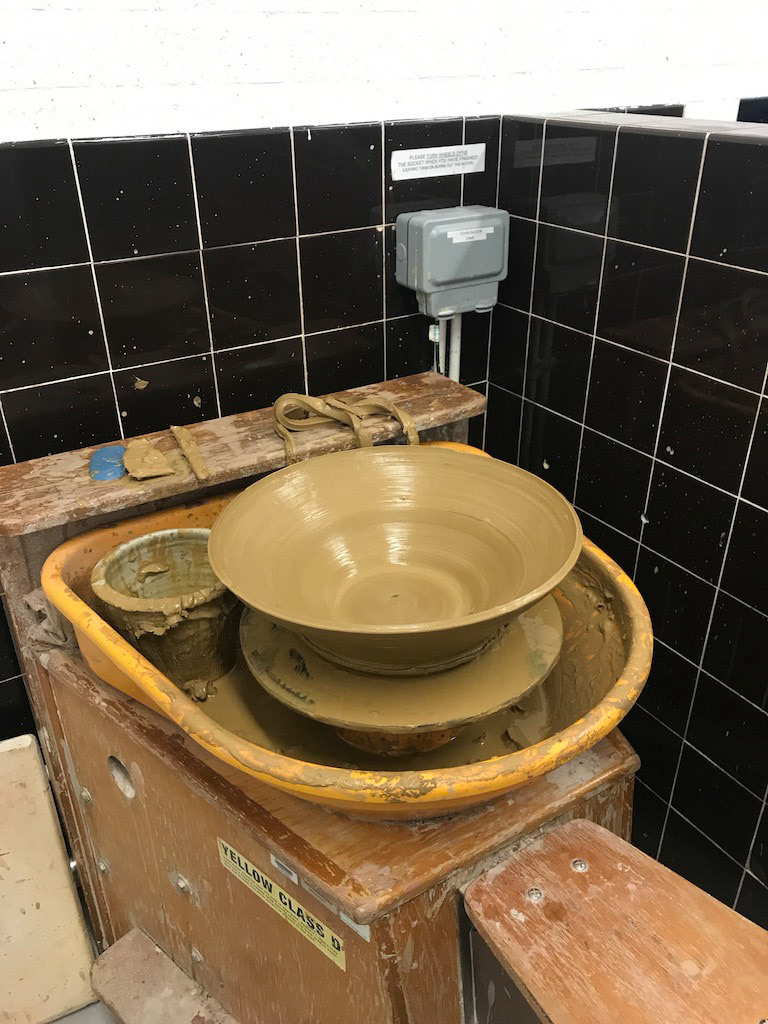
Making larger, more decorative pieces on the potter's wheel
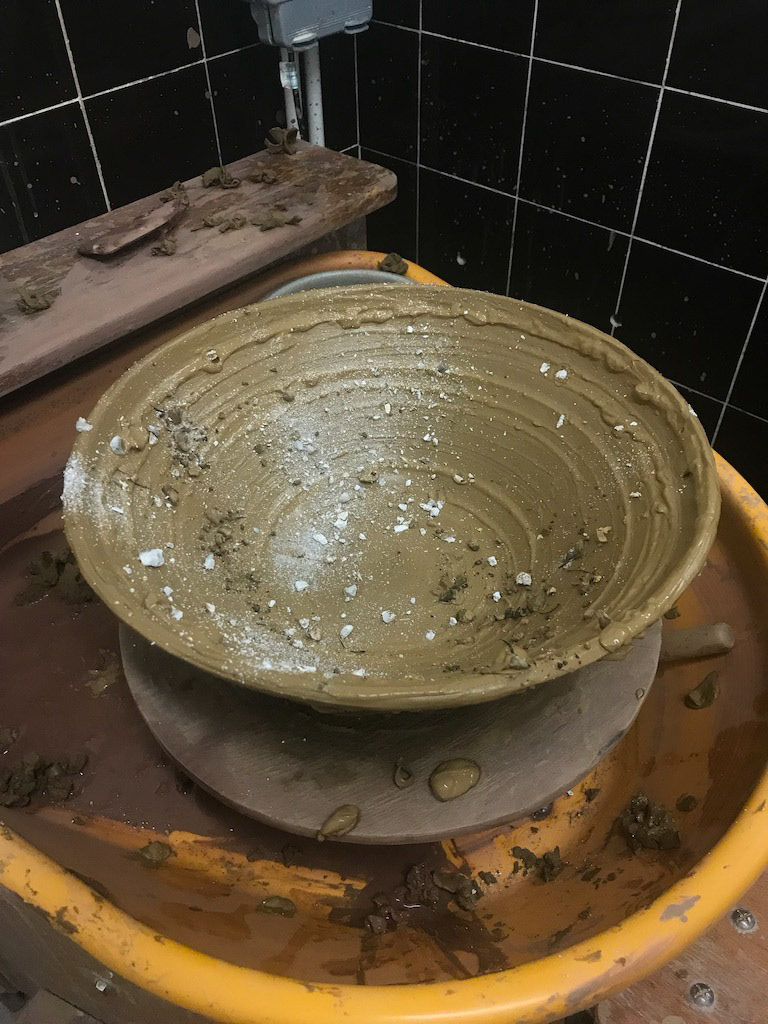
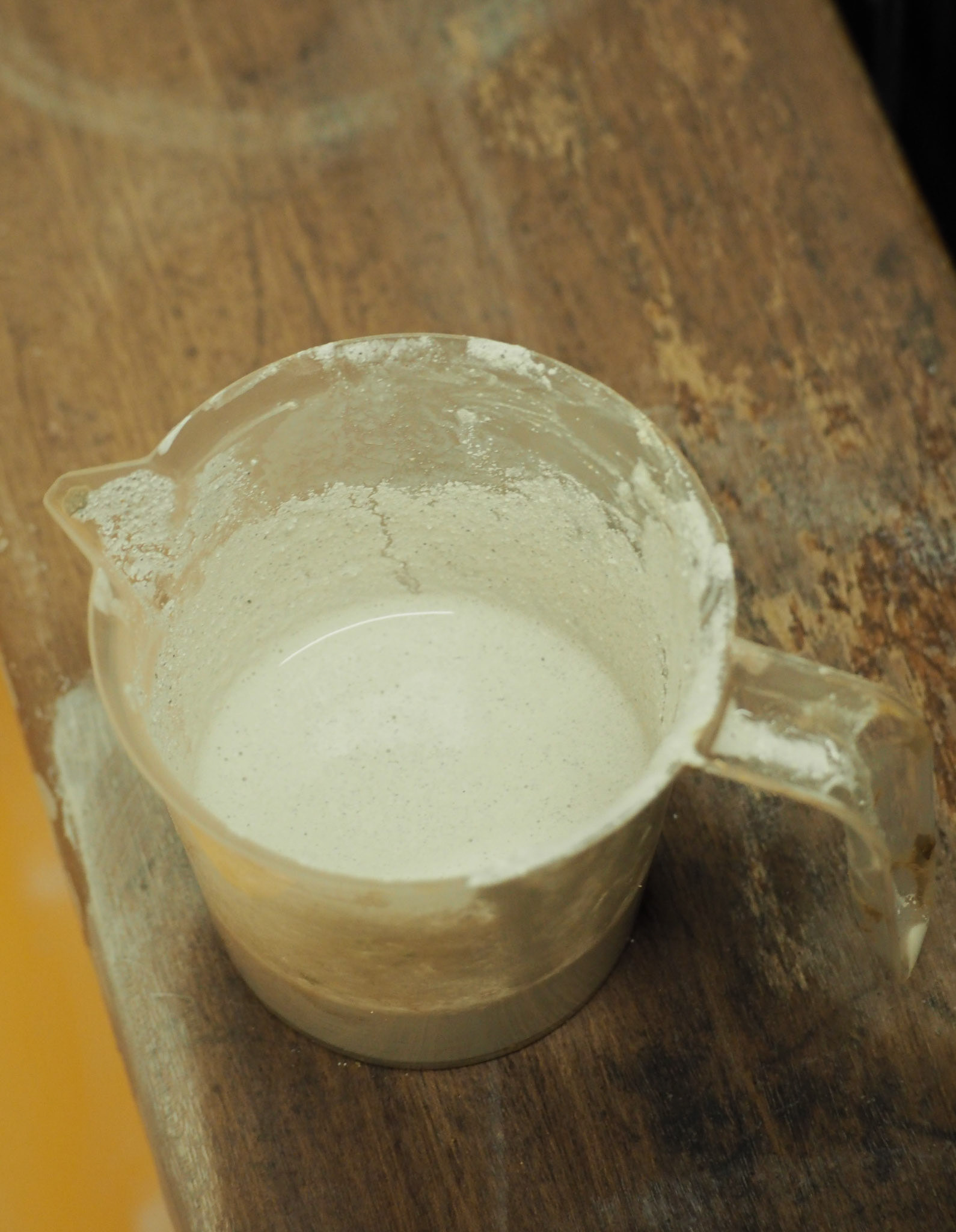
Decorating with Bone slip
Powdered bone from the farm mixed with water. Referencing some of the traditional slipware techniques from traditional studio pottery I saw at special collections, ie Jim Malone and Bernard leach.
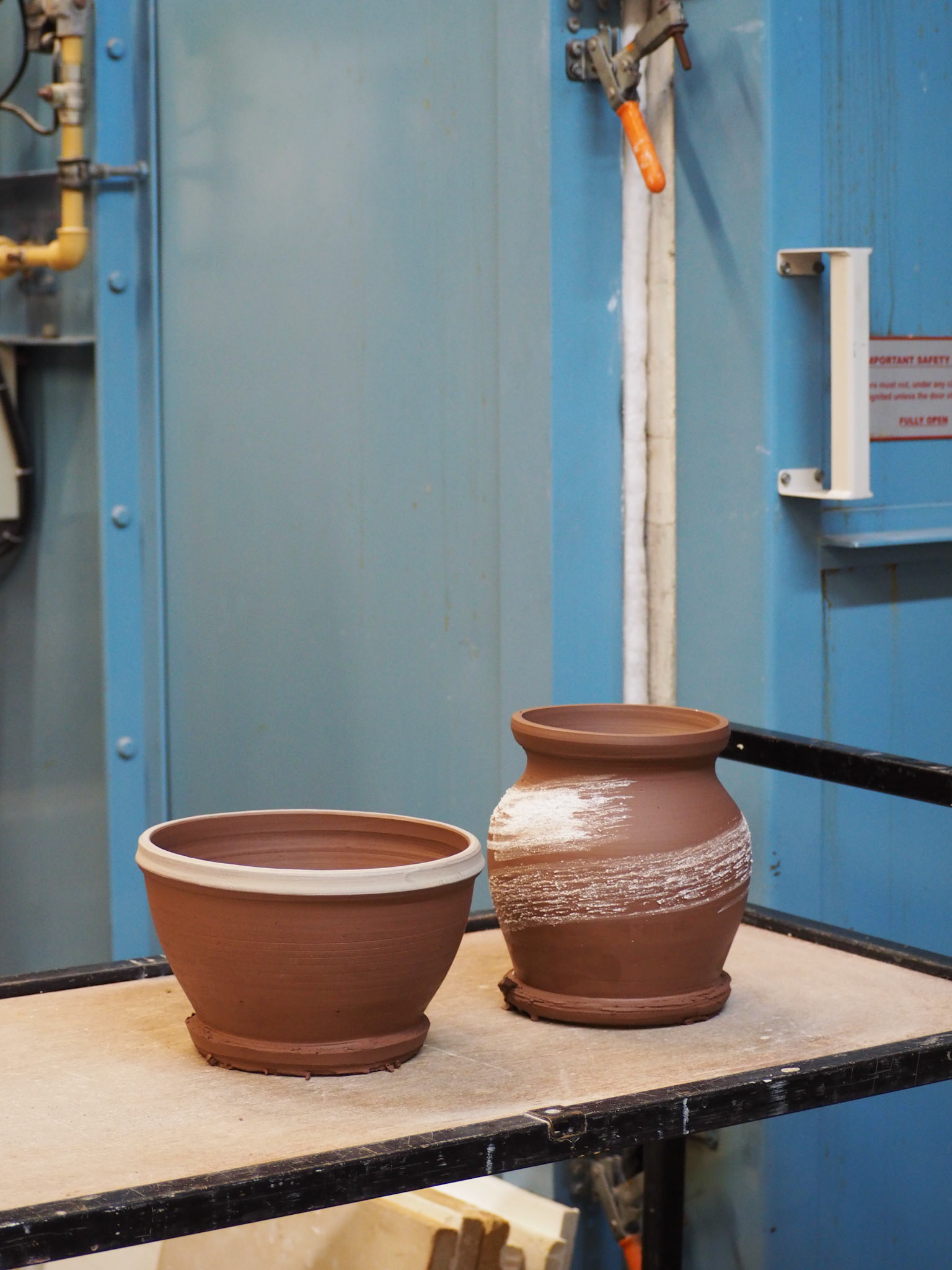
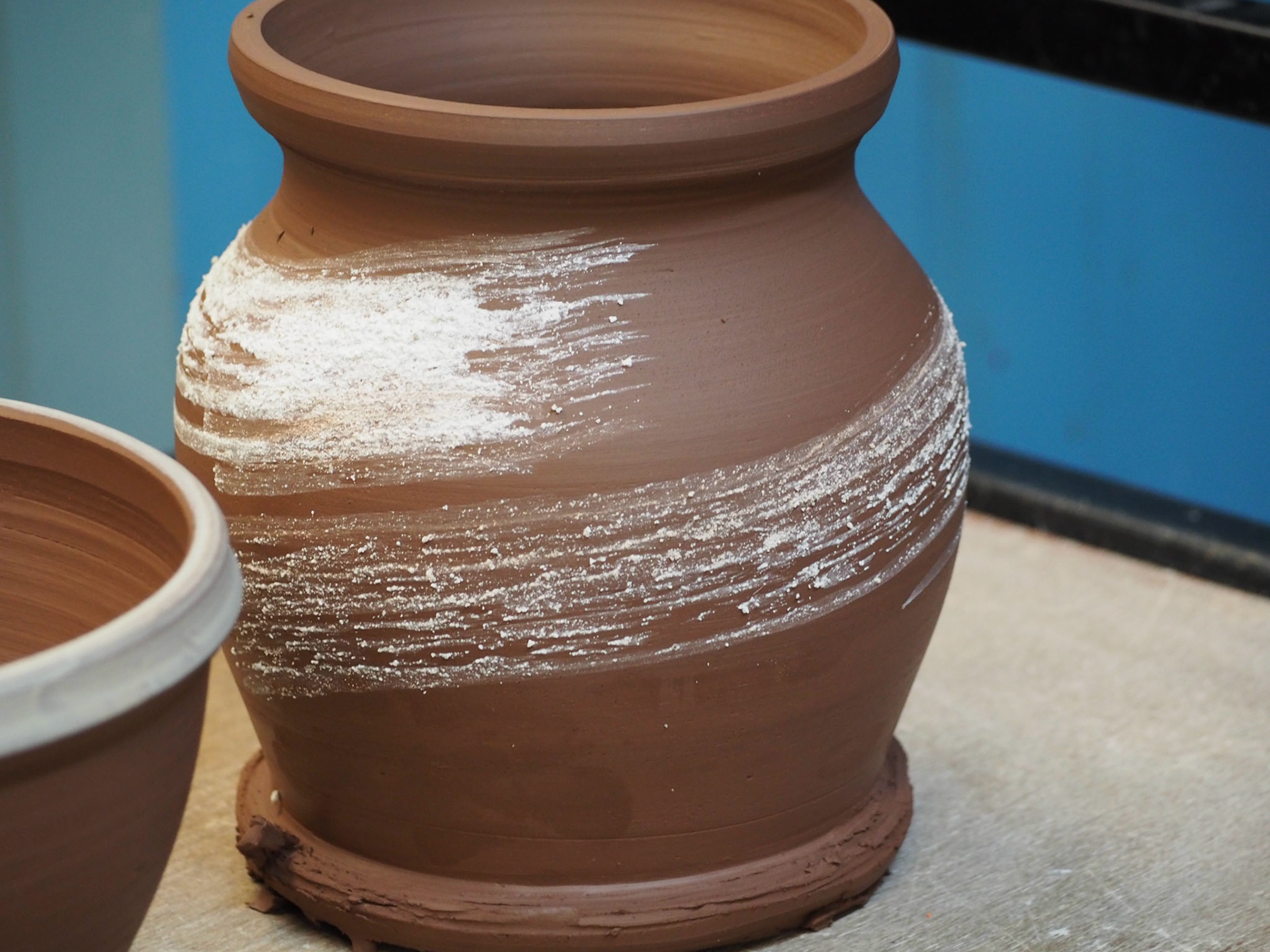
Throwing large forms with wild clay
Although useful to refine my throwing with terracotta, I now need to readjust to throwing with the less plastic farmyard clay. Or it will keep collapsing.