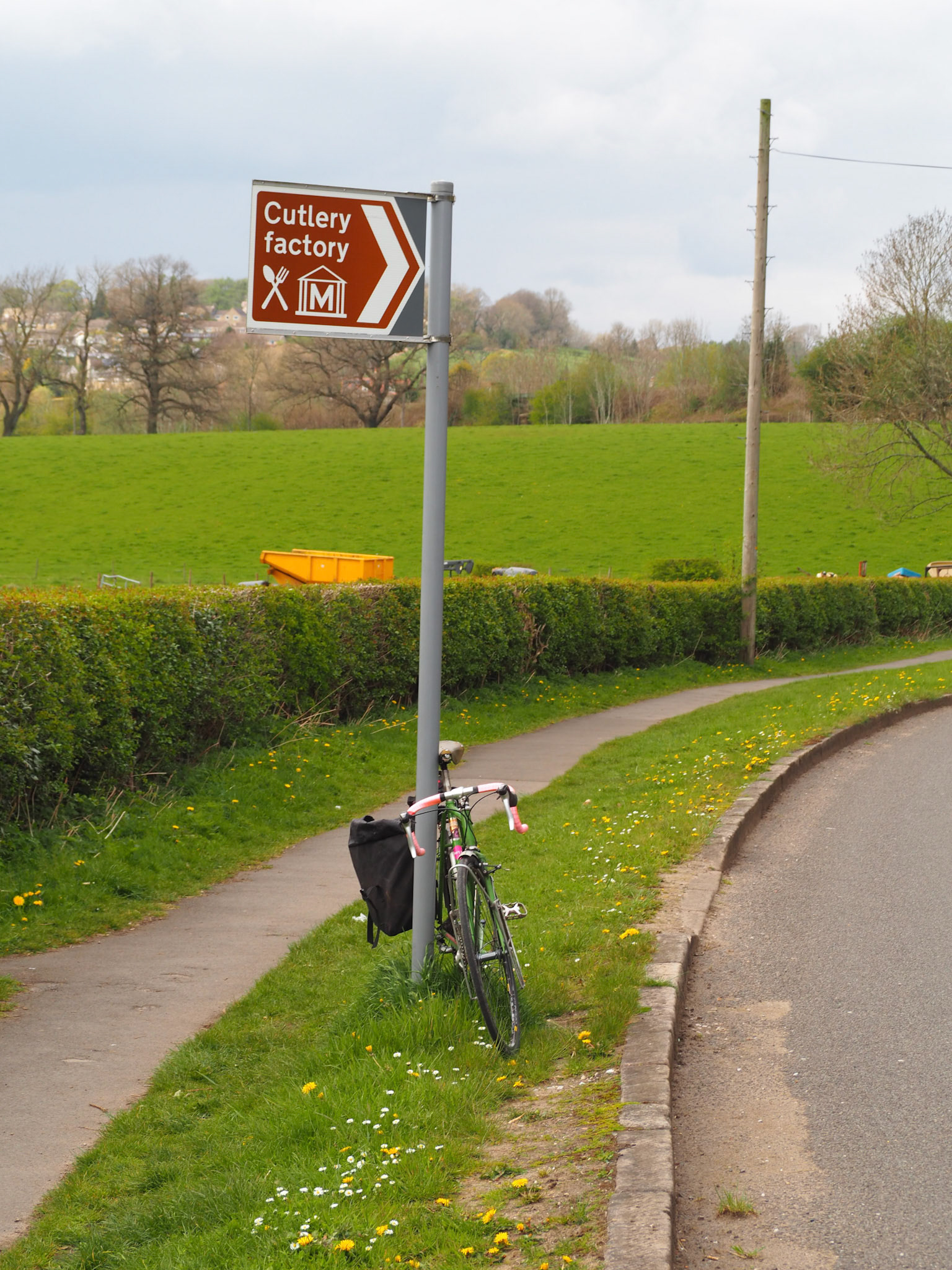
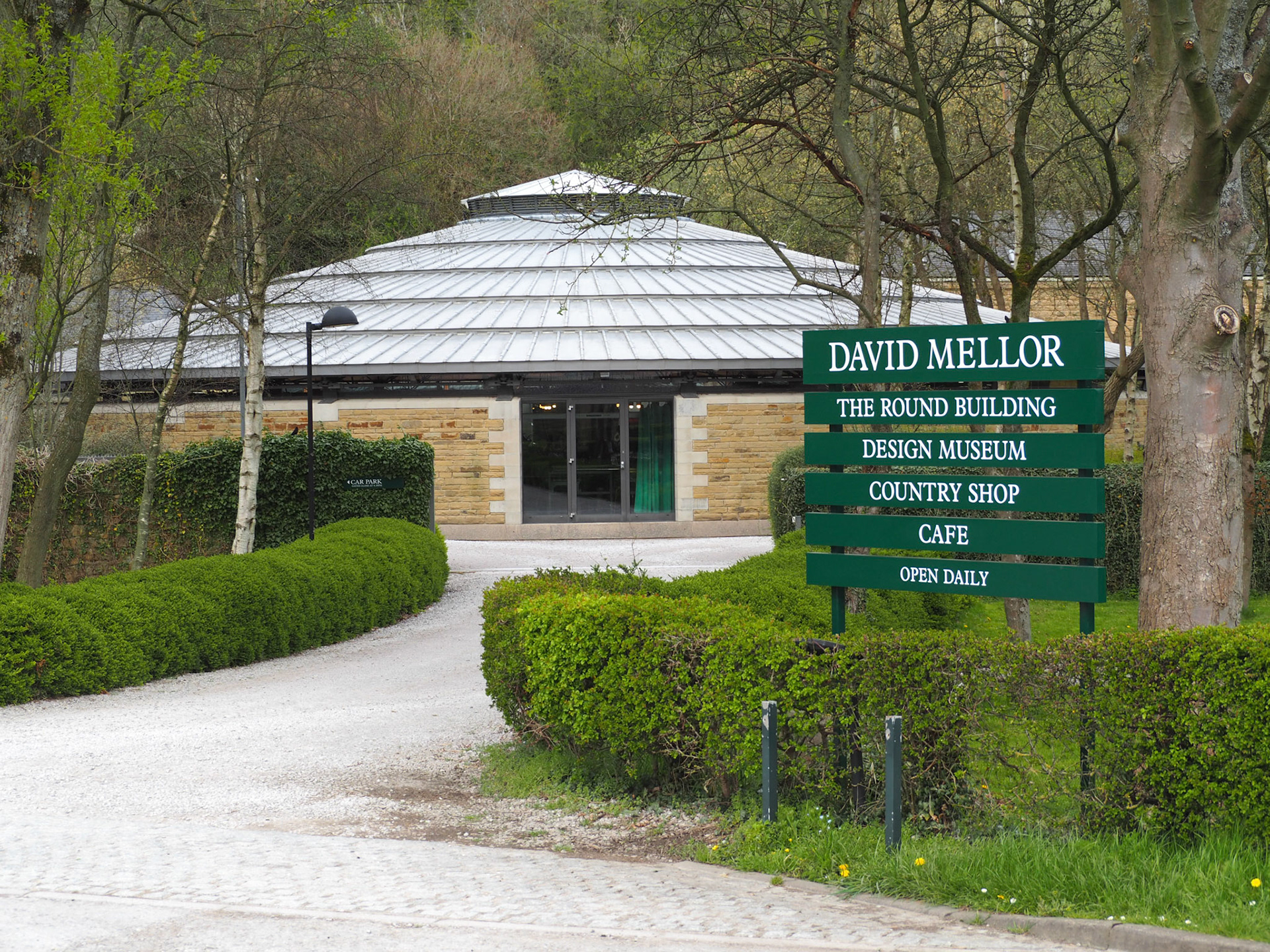
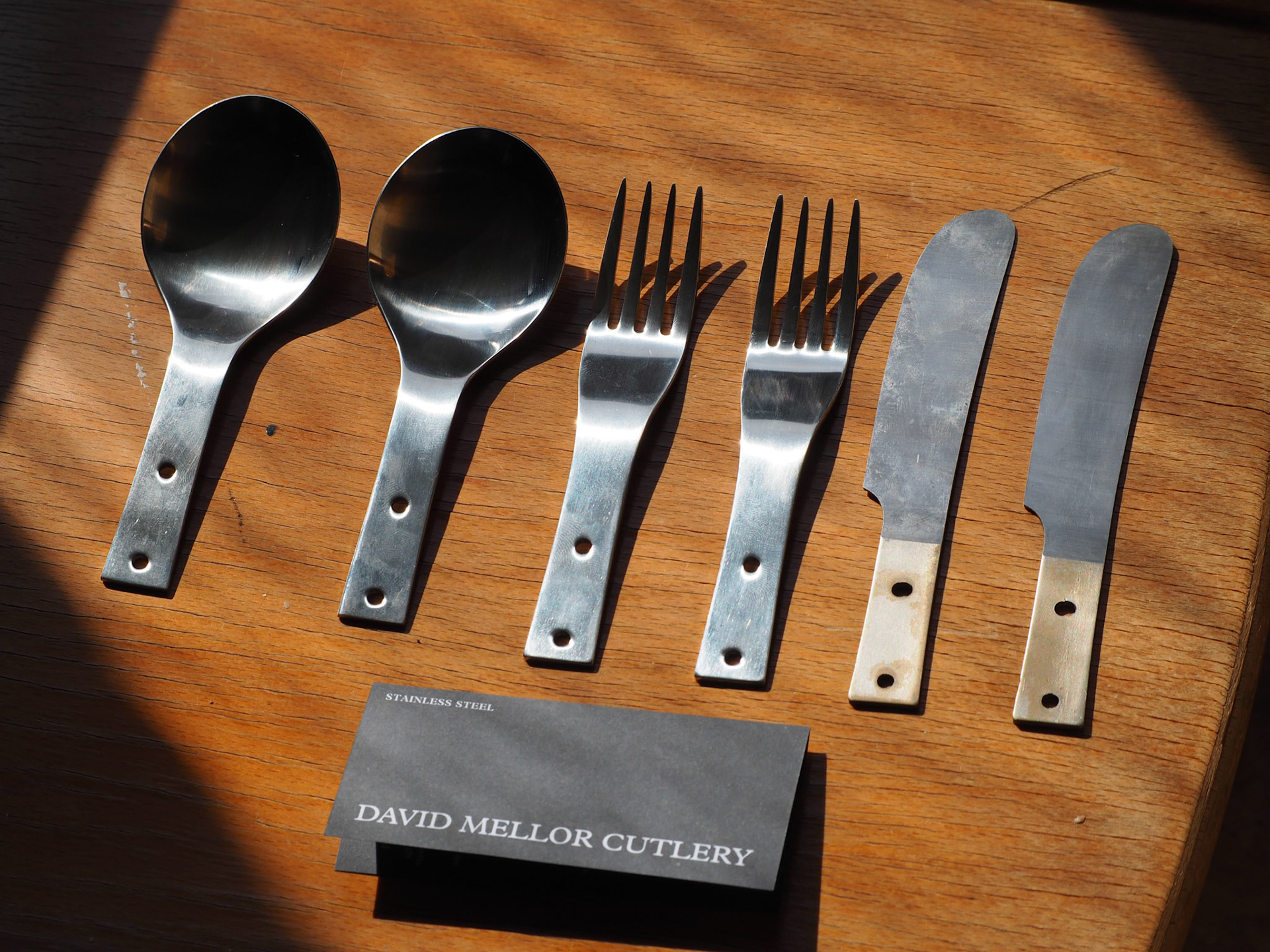
David Mellor, the renowned cutlery manufacturer, has its factory and country shop approximately 3 miles from the Keeper's Cottage Organics farm.
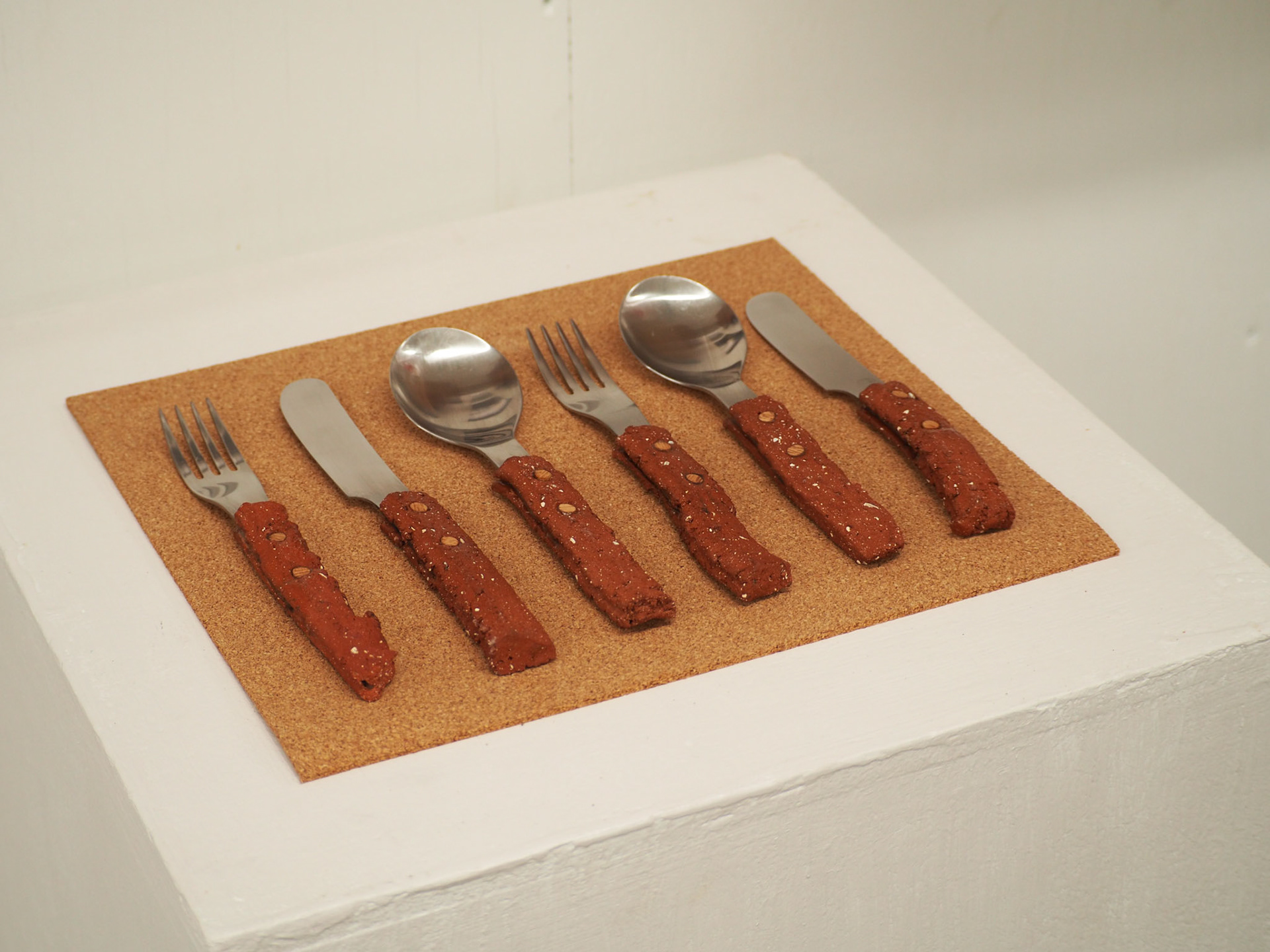
As I had recently been considering how I could use my reconceptualized 'bone china' in combination with new materials and functions, making some utensils or cutlery with the help of David Mellor felt like the perfect collaboration due to not only its locality to the farm but also their beautifully crafted cutlery designs.
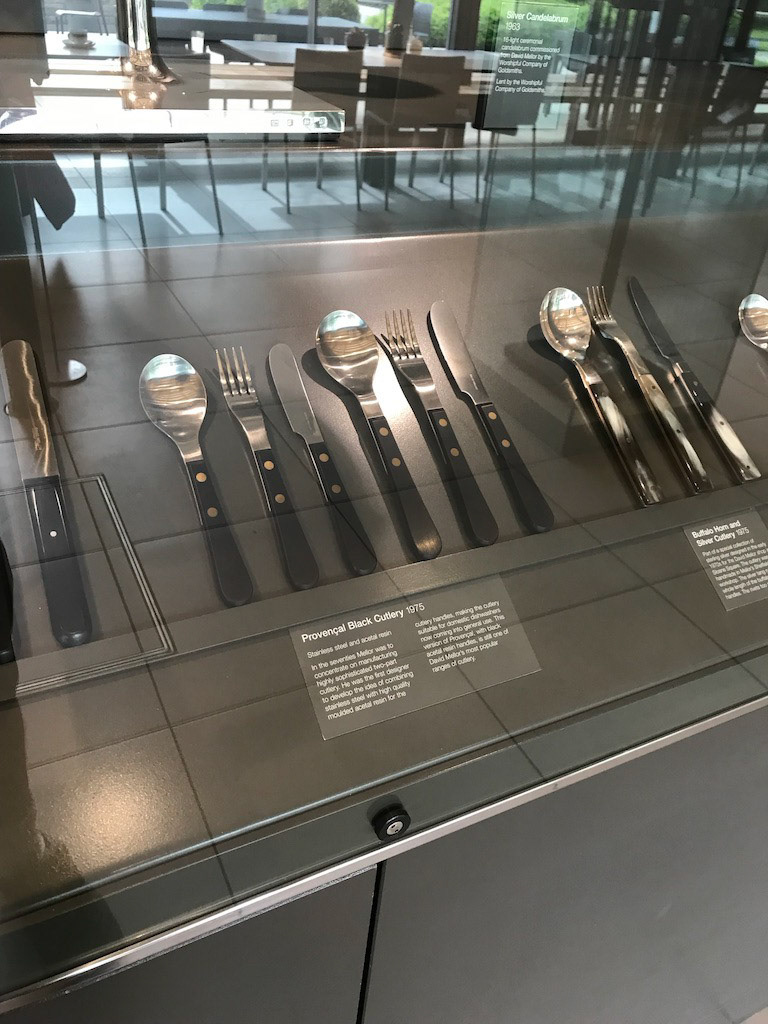
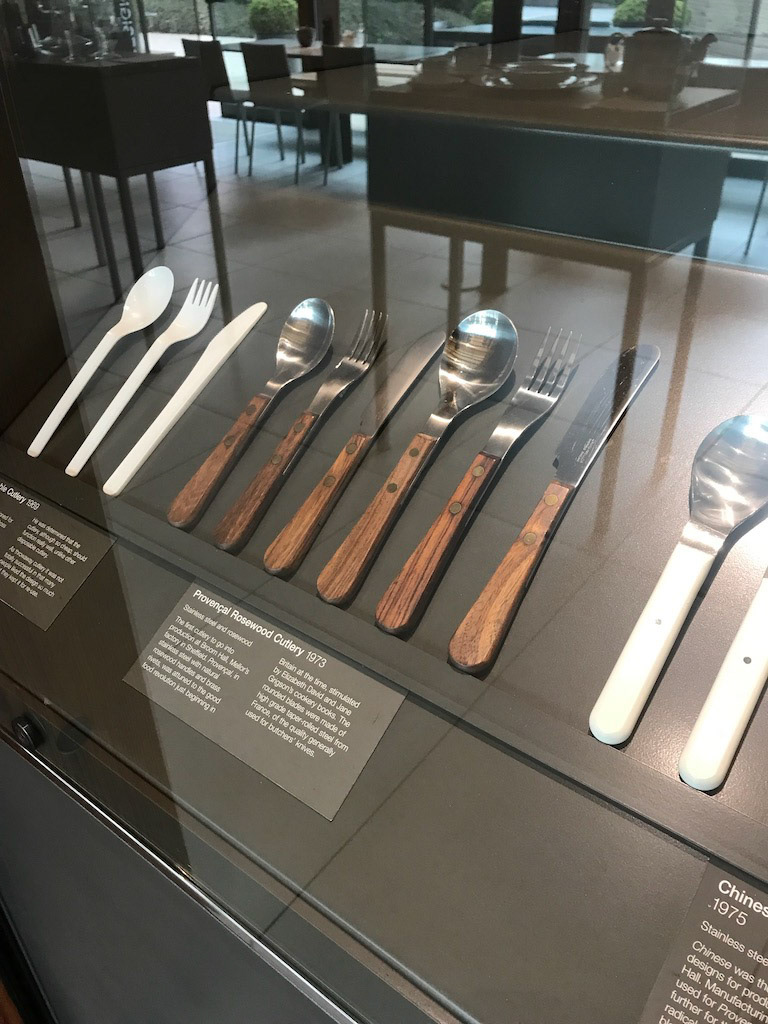
I reached out to Corin Mellor, the creative director and now owner of David Mellors to explain my project and ask if there was any way they could help with the project. To my surprise, they loved my ceramics and were happy to donate a series of blanks from the 1975 Provencal cutlery set.
Visiting the David Mellor factory
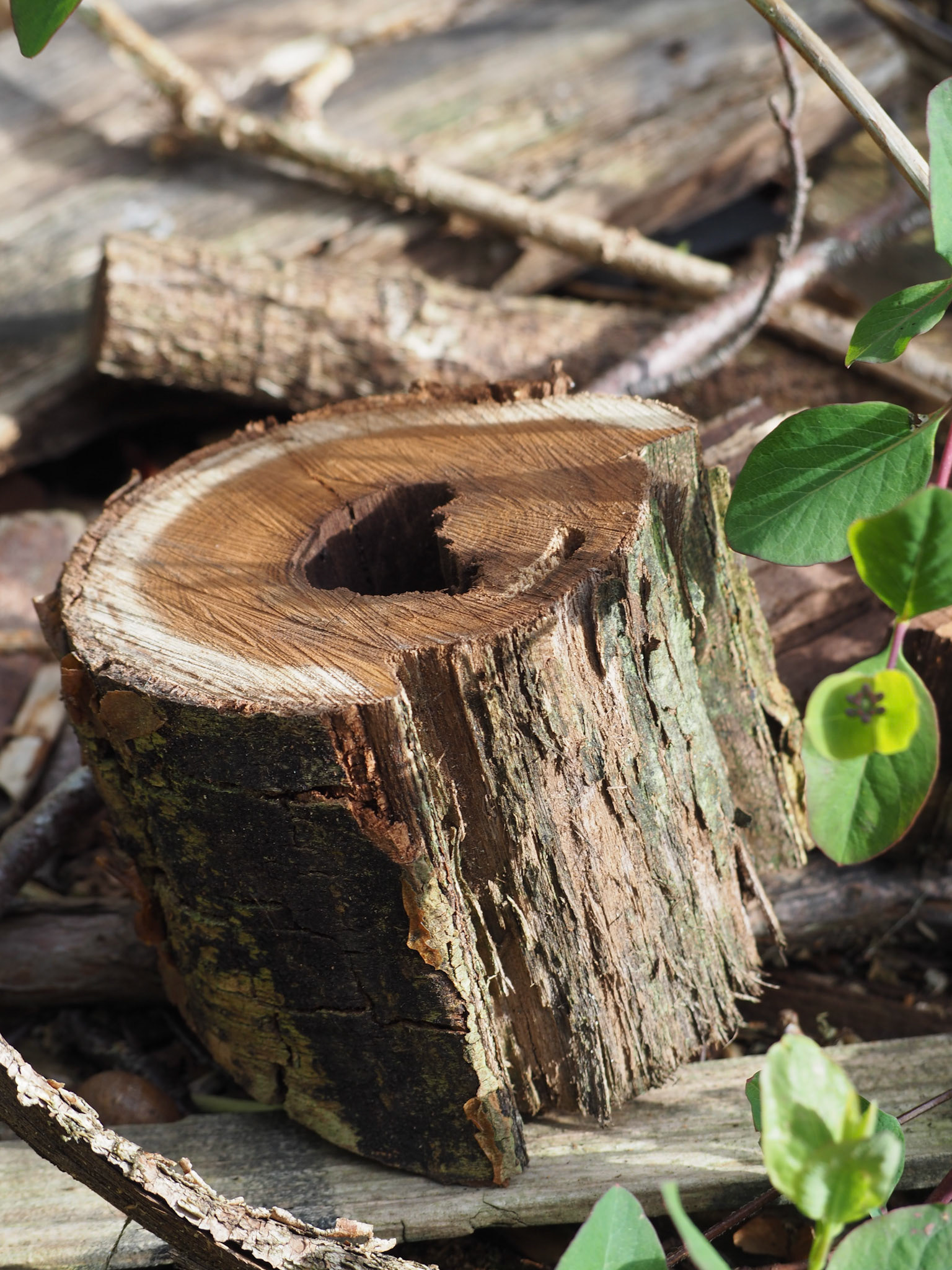
Sourcing naturally formed wooden extruder dyes to use for manufacturing the handles
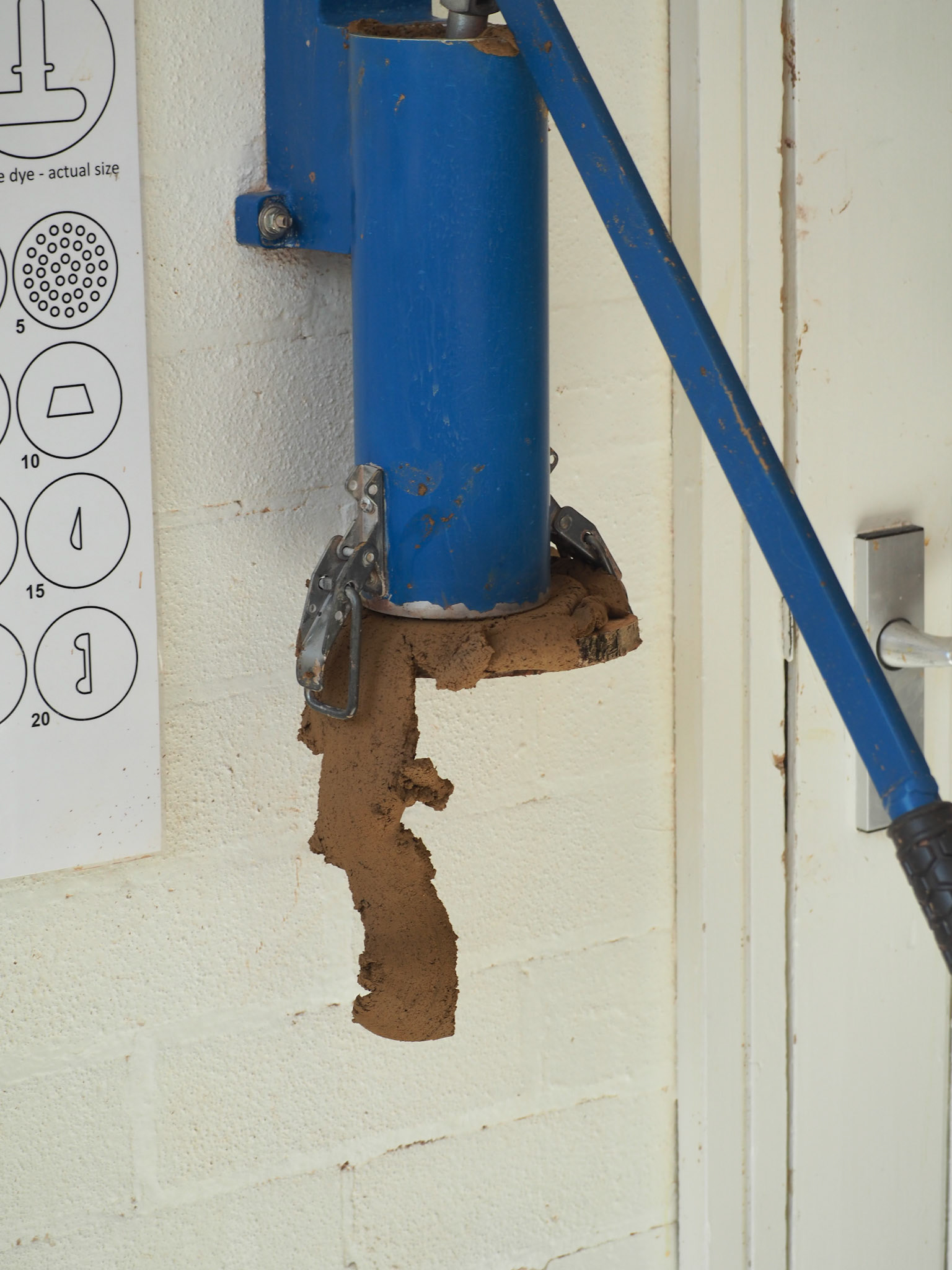
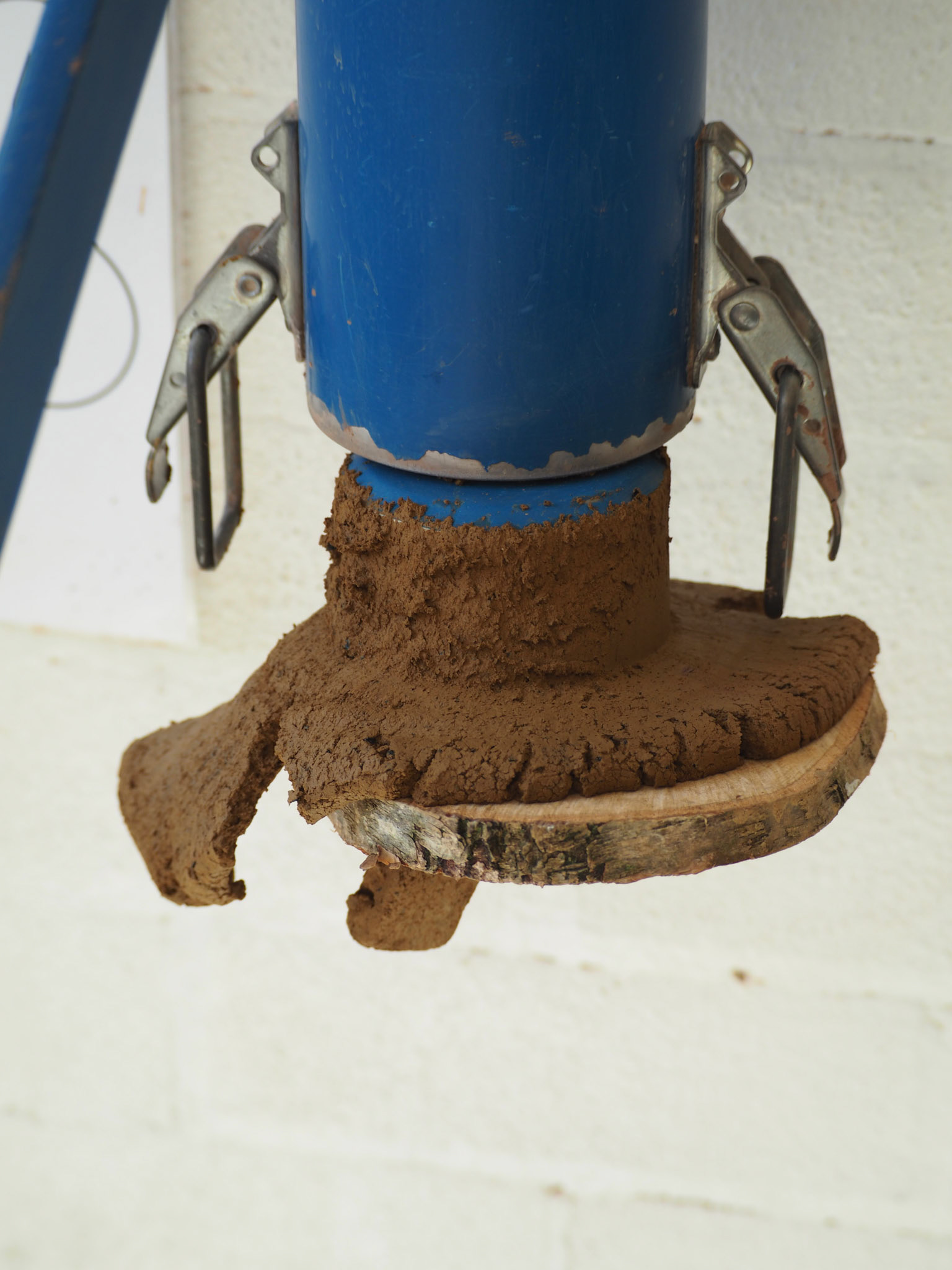
I really wanted to reintroduce using the extruder within my work, this was a process that I really enjoyed using in the previous unit and felt that I could explore and push further in relation to this series of cutlery.
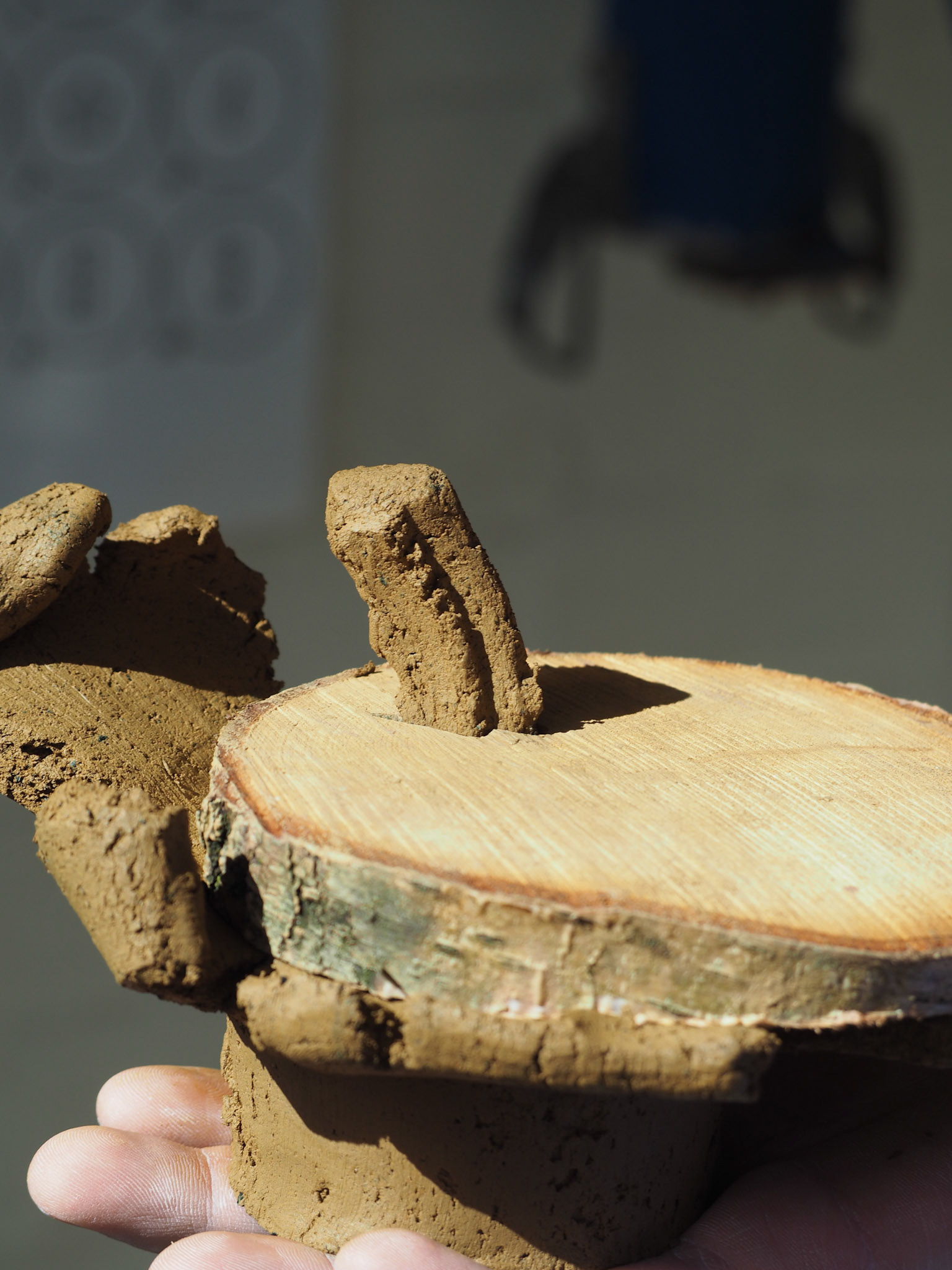
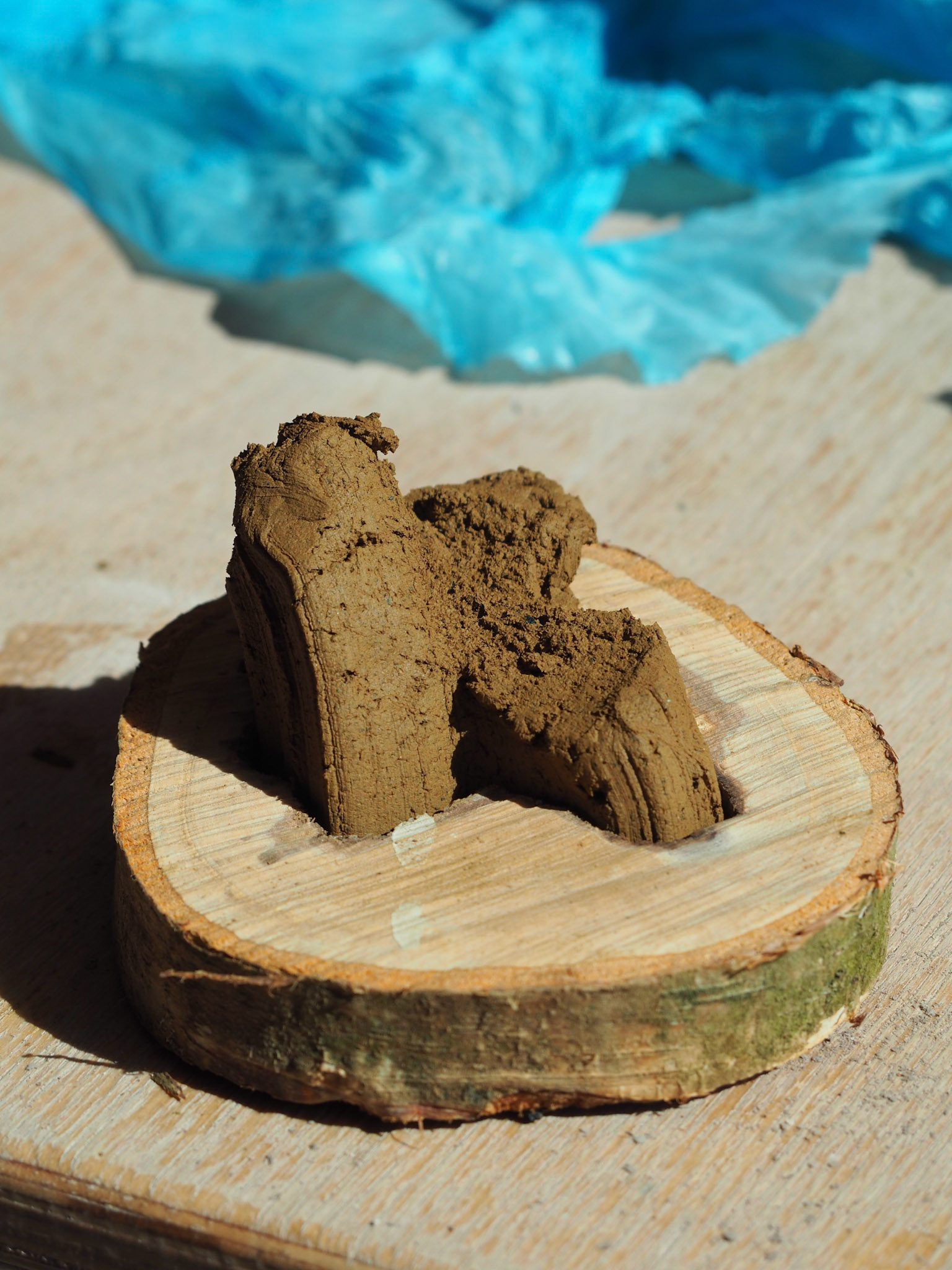
I started to collect sections of tree trunks that had incurred rot in the middle, forming a natural extruder dye. I love the idea that there is a controlled production method that can be produced from a completely organic form and natural process.
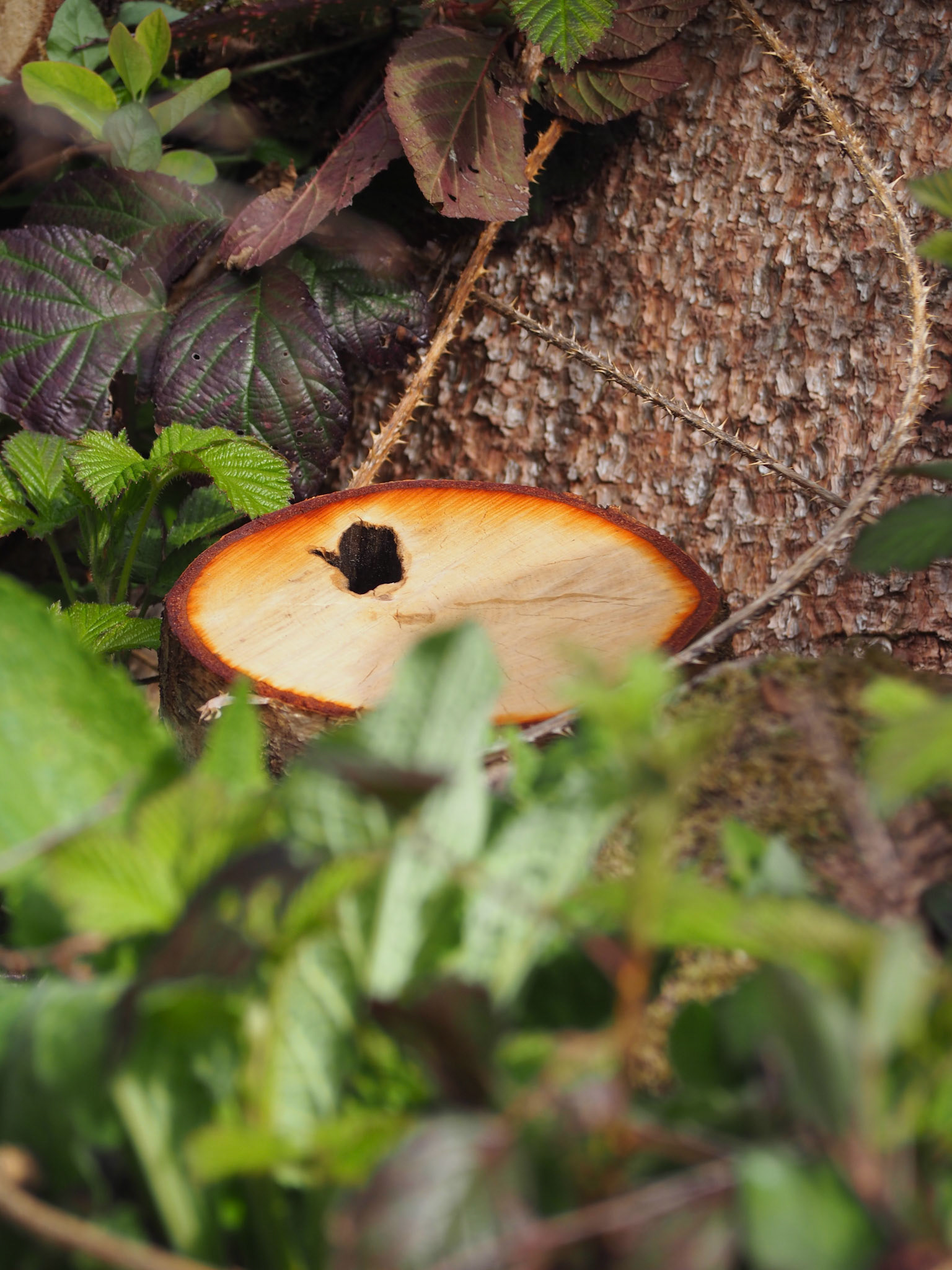
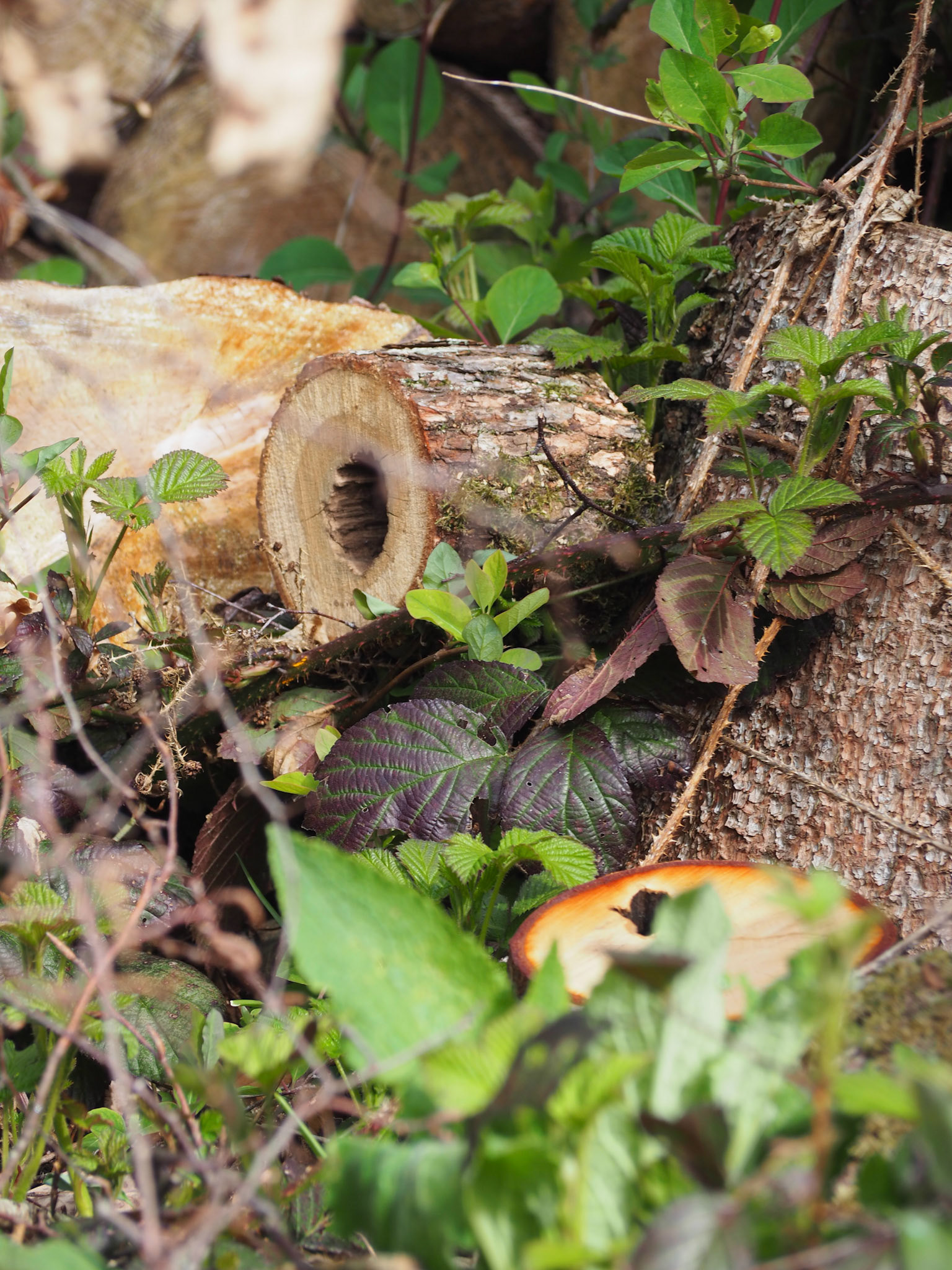
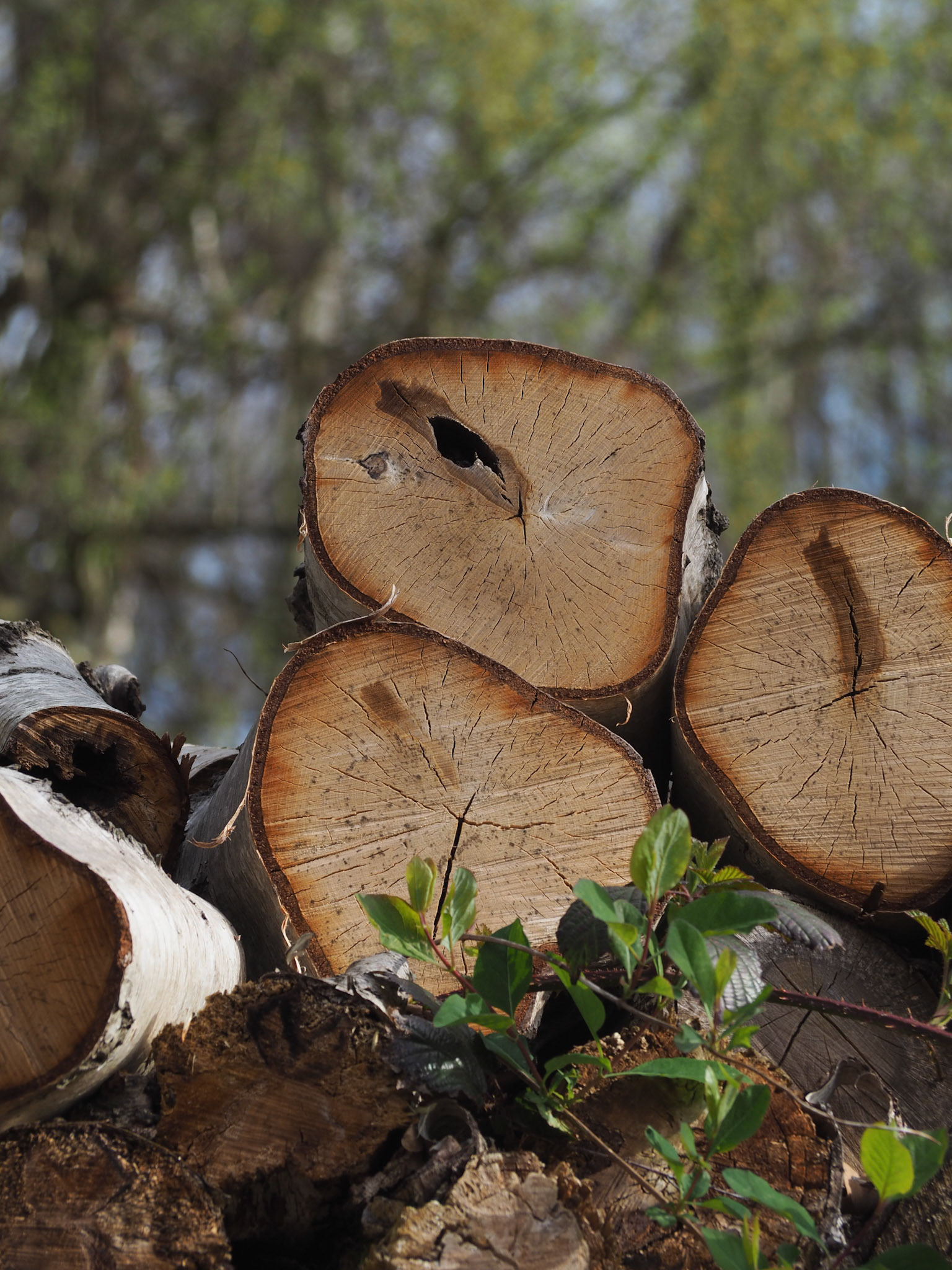
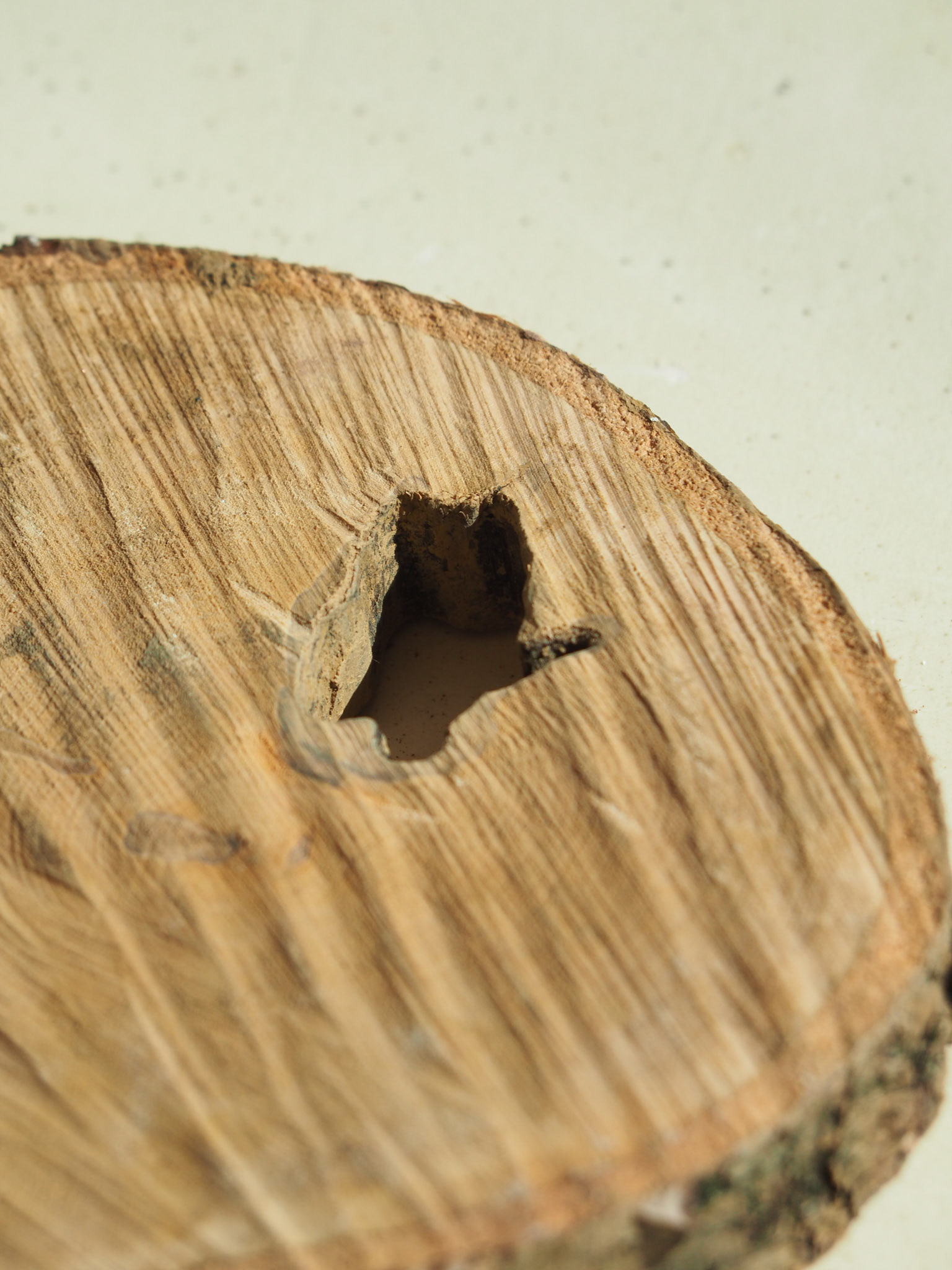
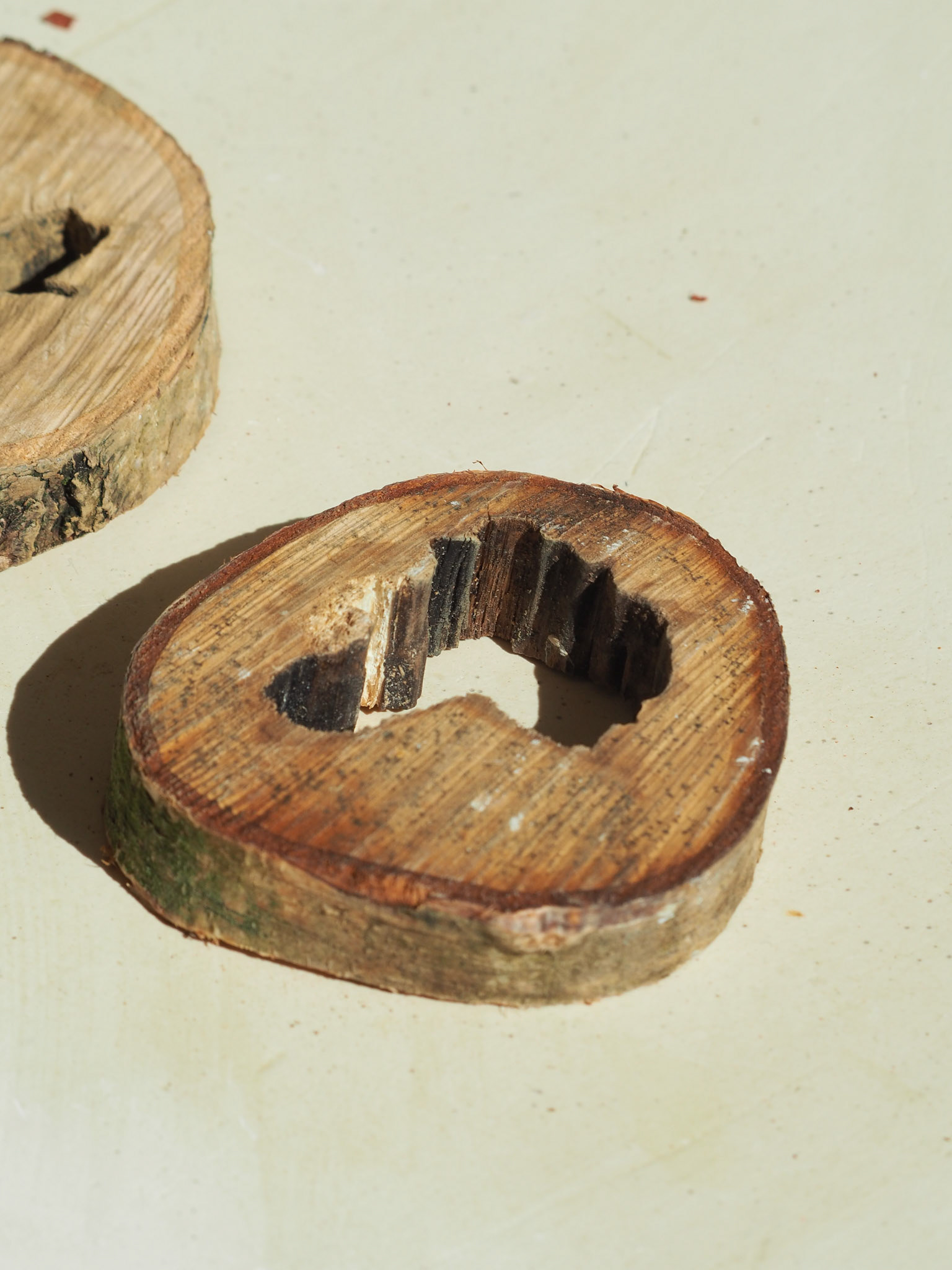
Extruding clay through the wooden dyes to create handles
Although going through the same dye, each section of clay has its own intricacies and personality. The rough, unrefined surface of the dye has created some really interesting textures and rips in the wild clay and bone body. These textures unite two widely differing materials through one physical object. They also intrinsically link each piece of cutlery to a specific site and tree from the Peak District.
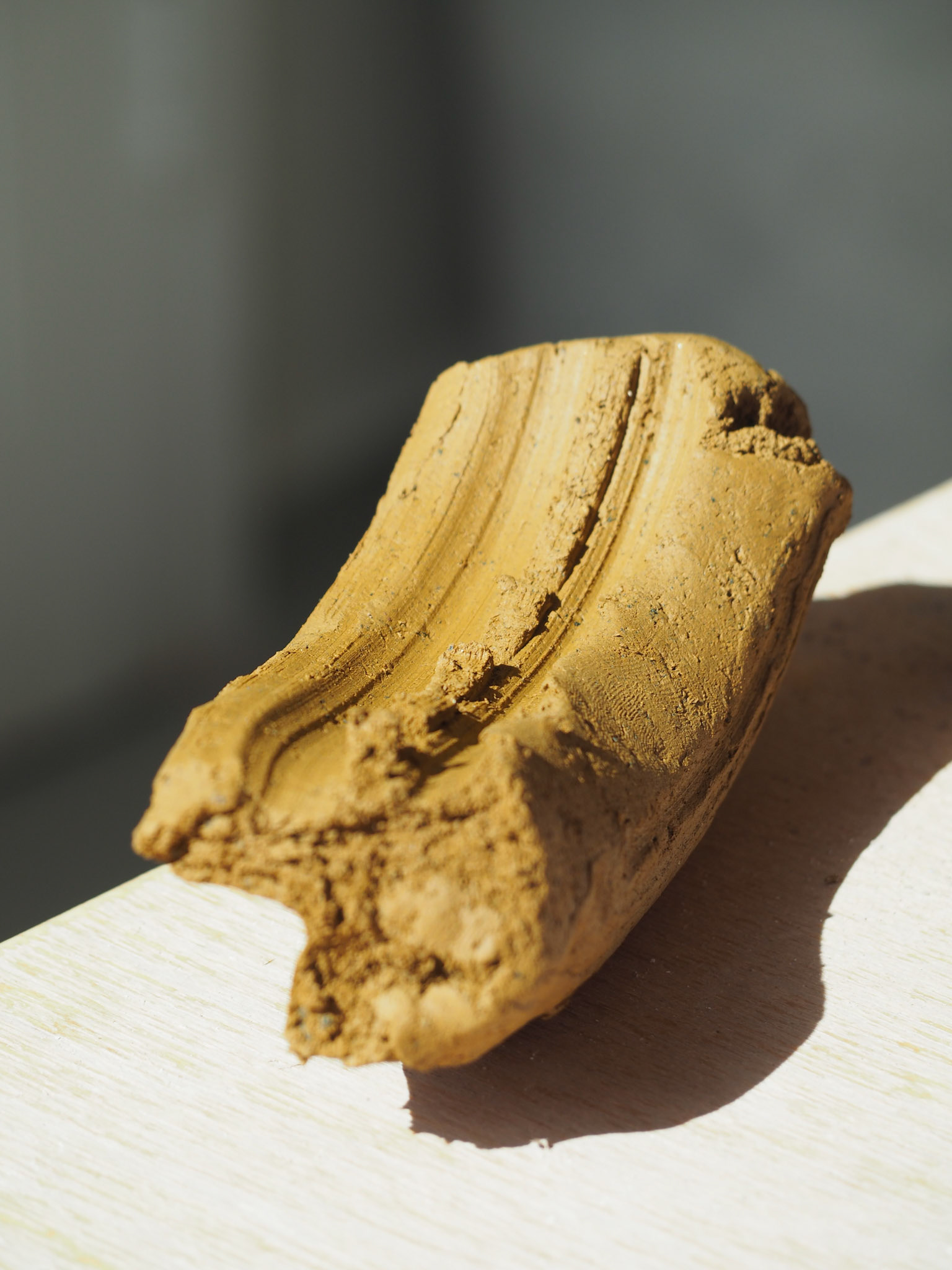
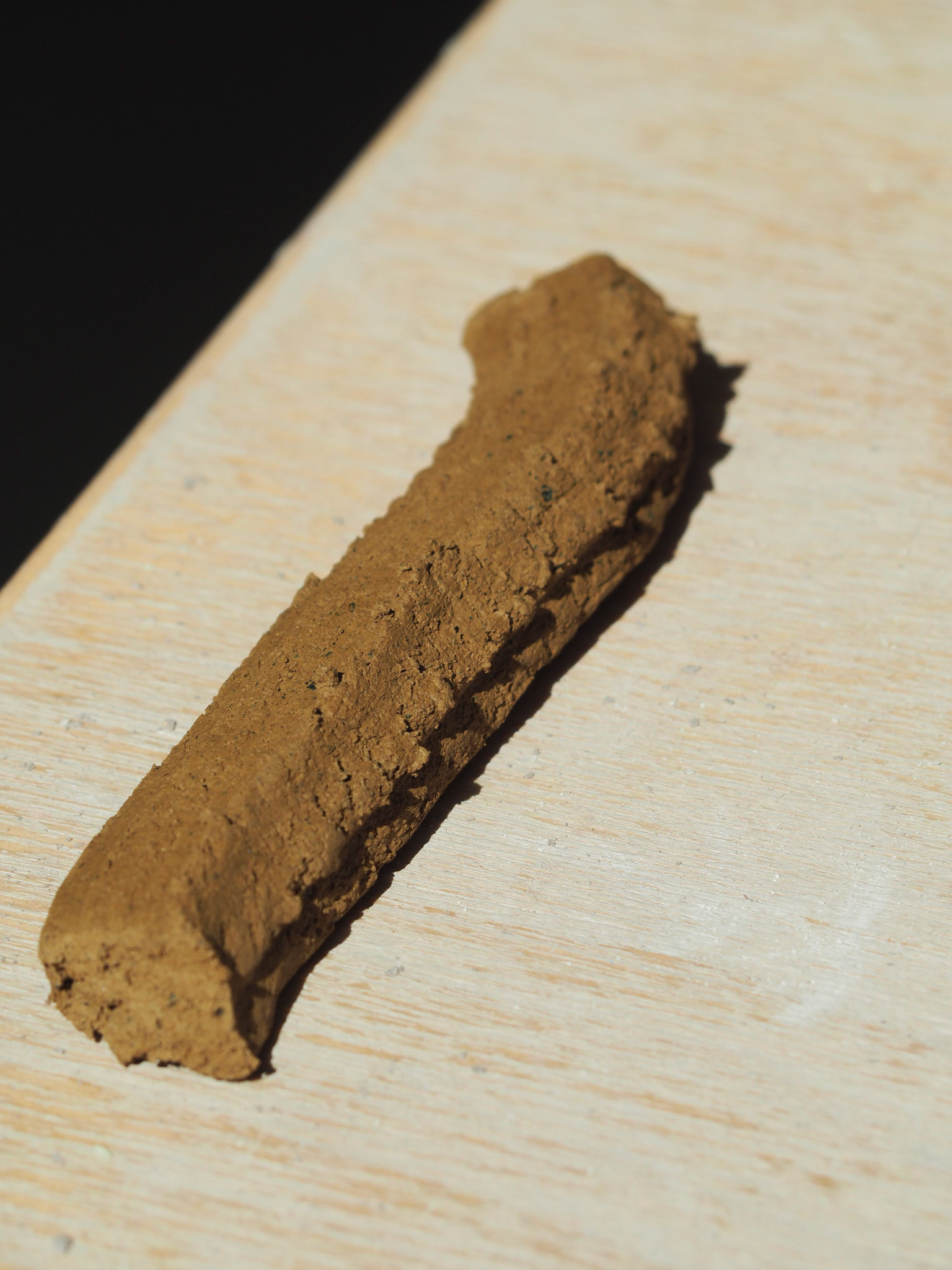
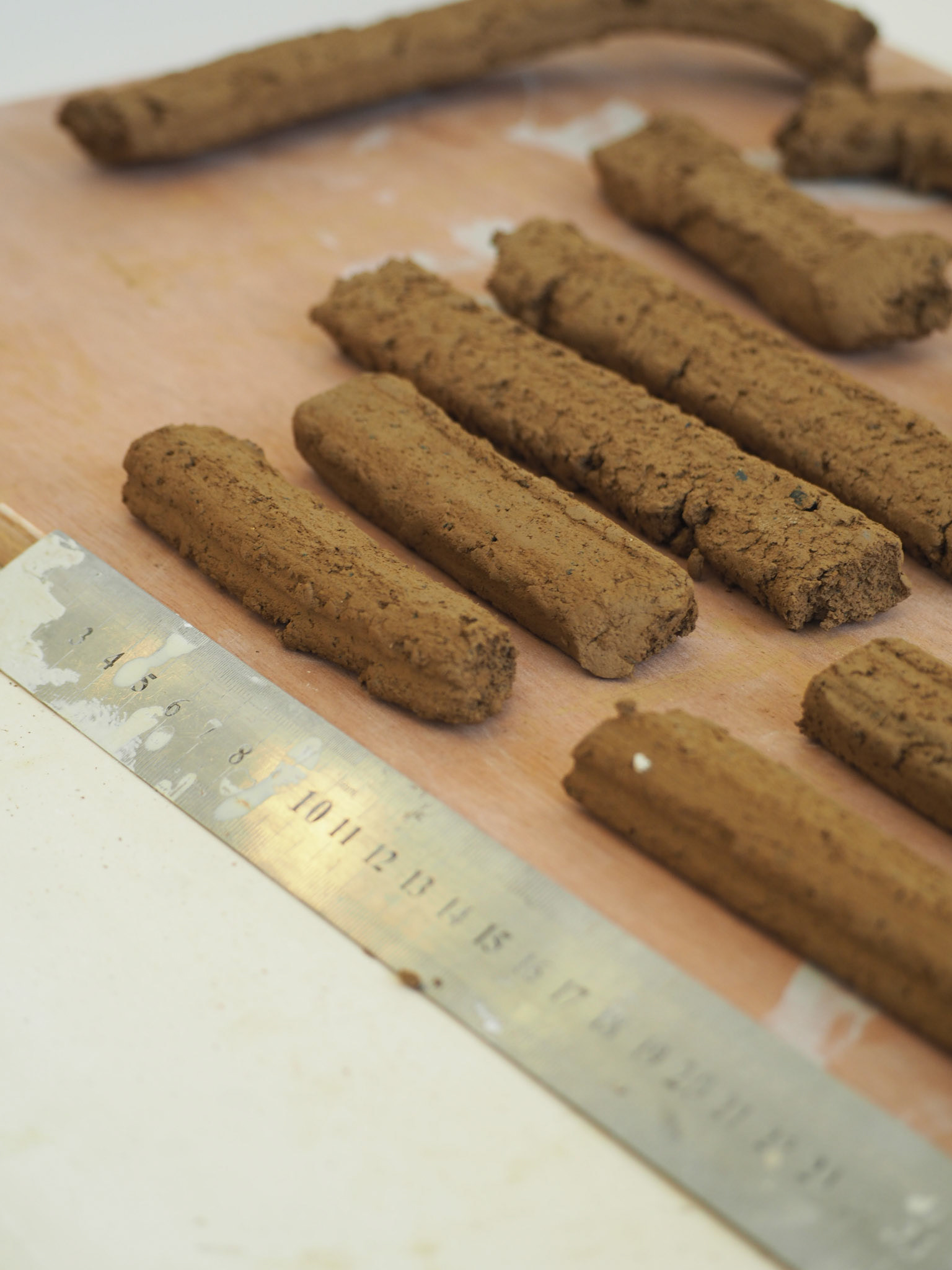
Handles at Bisque
First chance at getting an idea of sizing and how the finished cutlery may look.
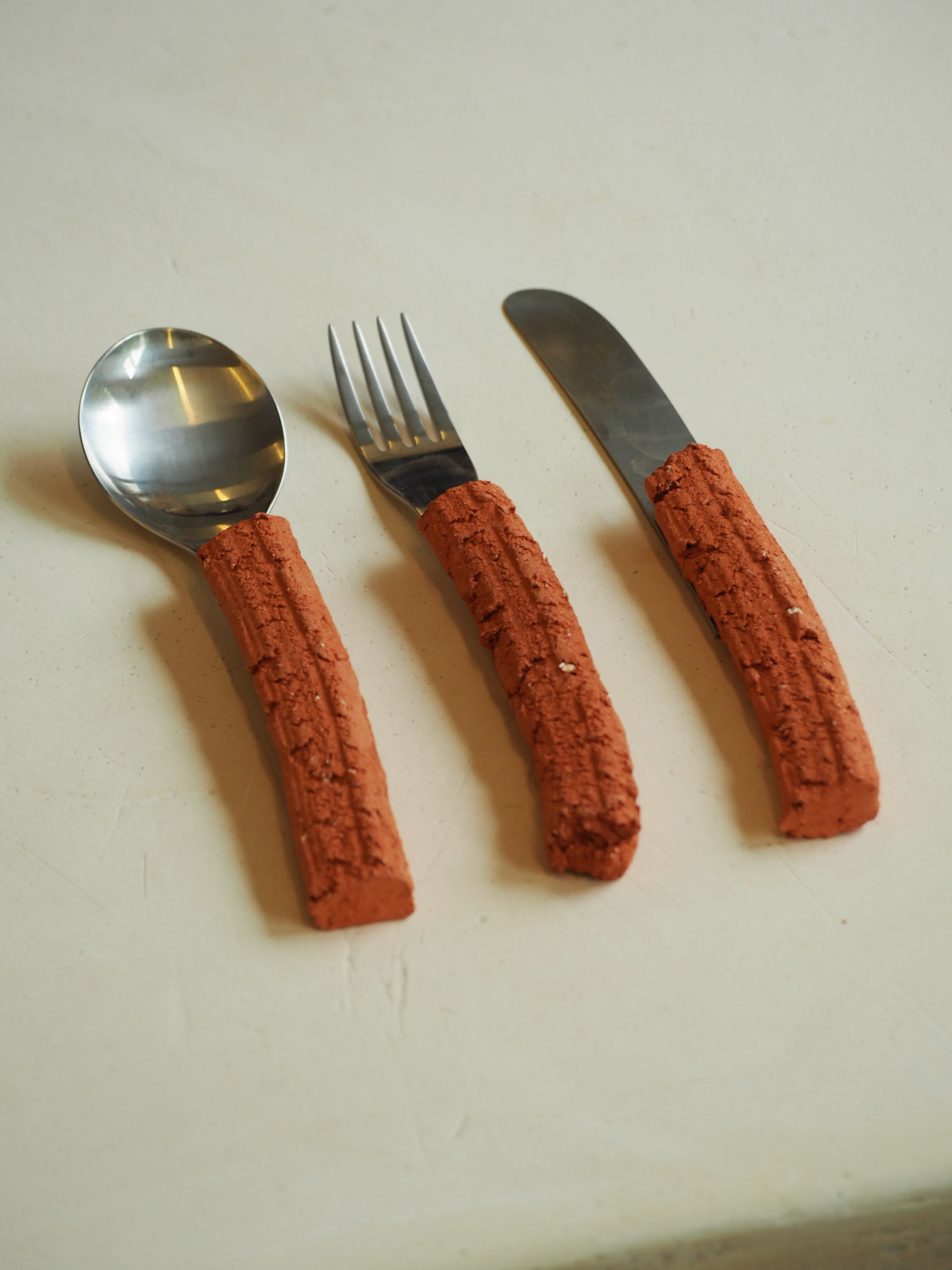
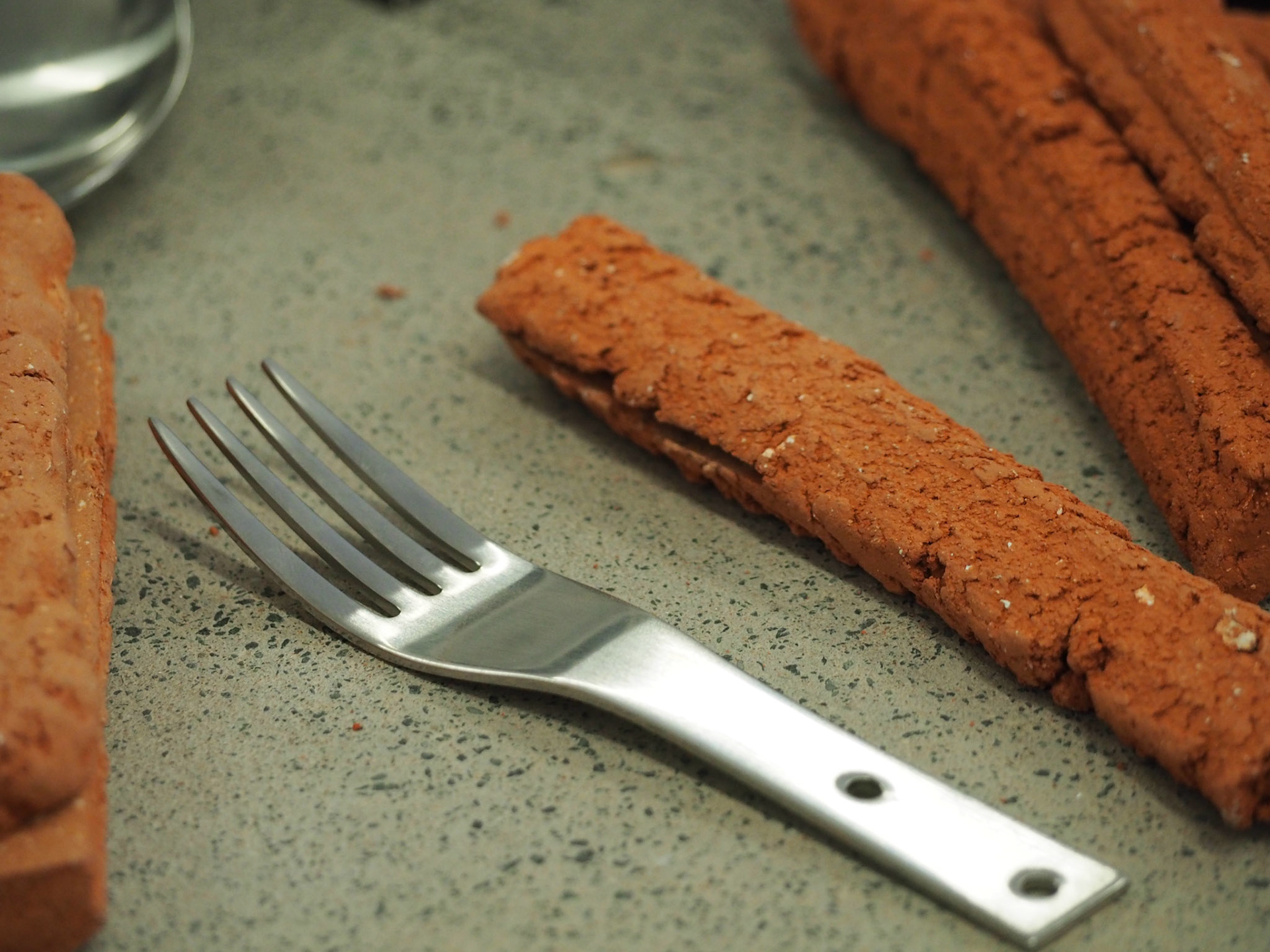
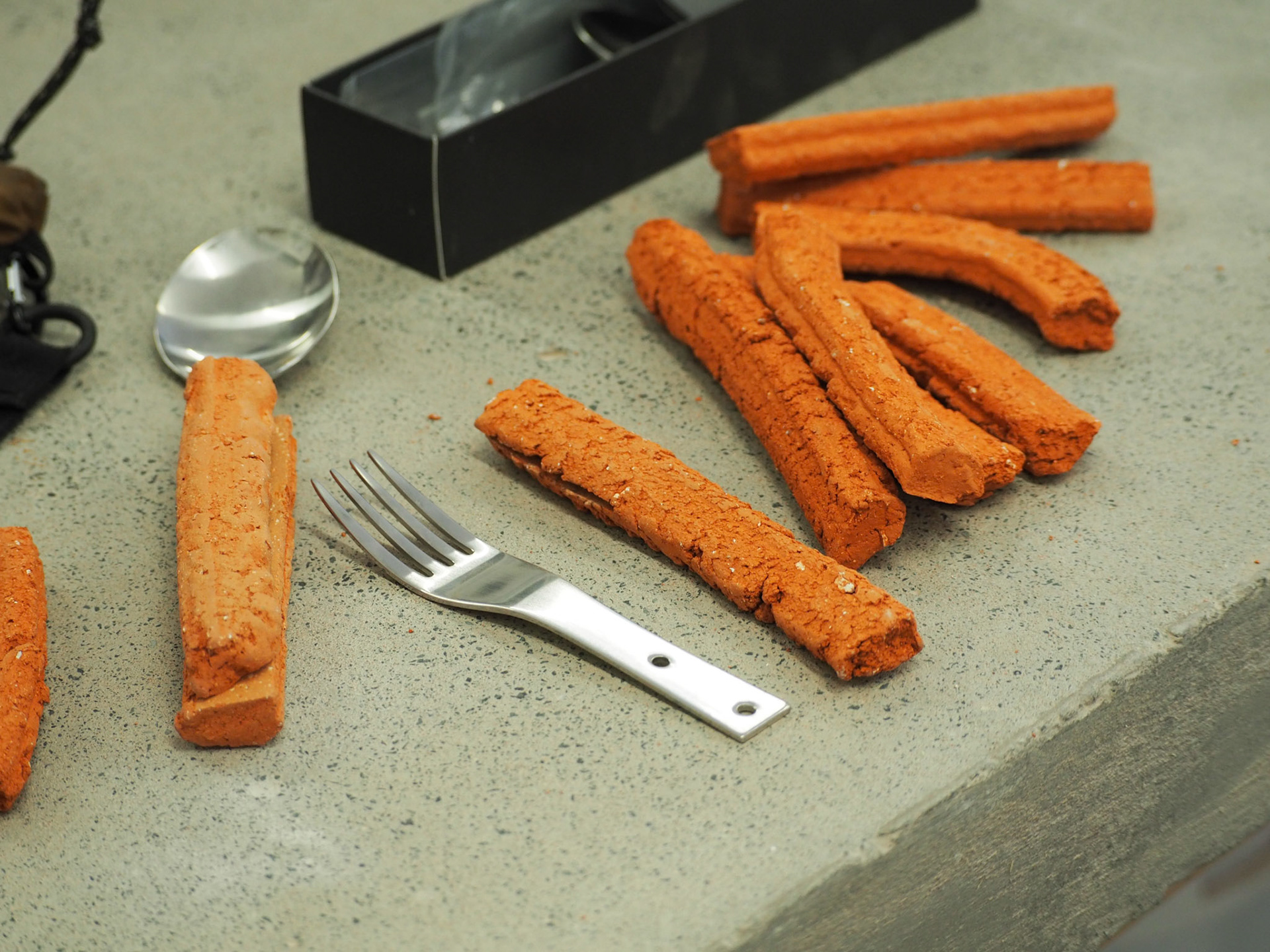
I could now consider what material I wanted to use for the doweling. The original design used brass rivets, however, due to the fragile nature of ceramic under compression, I would be using epoxy glue and a dowel.
Below shows the use of stainless steel, brass, and oak. Each had nice qualities, but I felt the oak was the most in keeping with the wider context of my project and farmand.
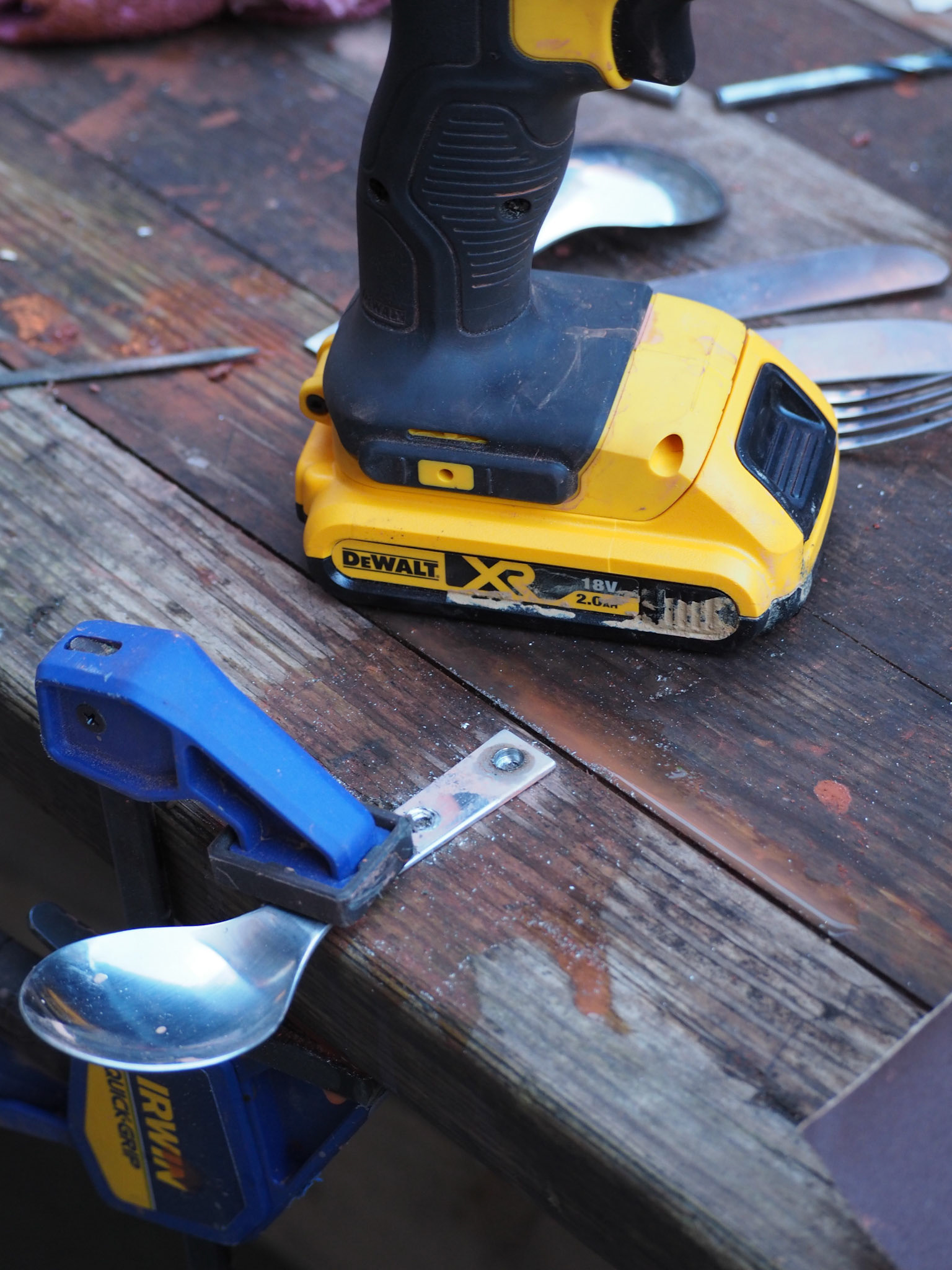
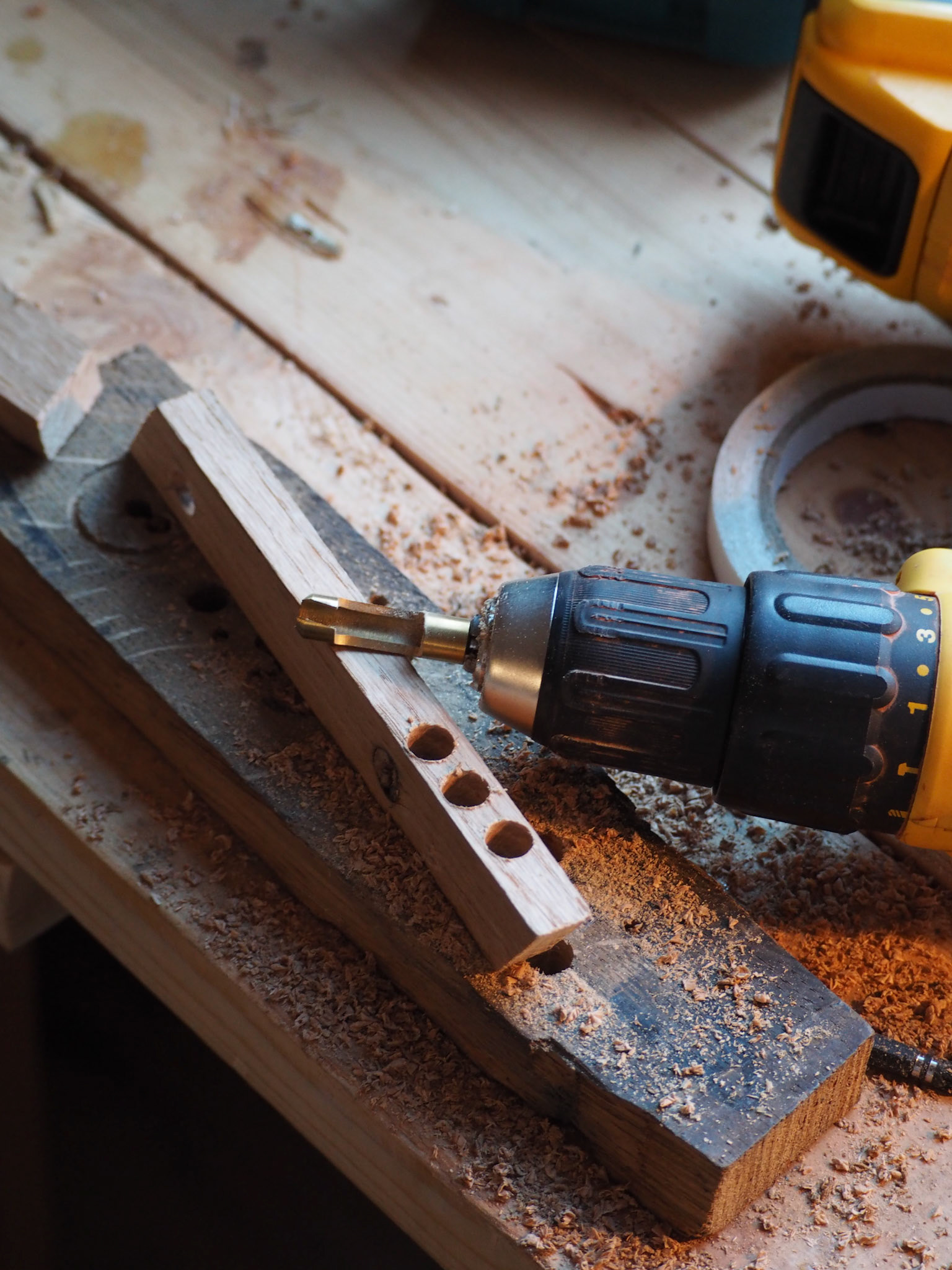
Making oak plugs
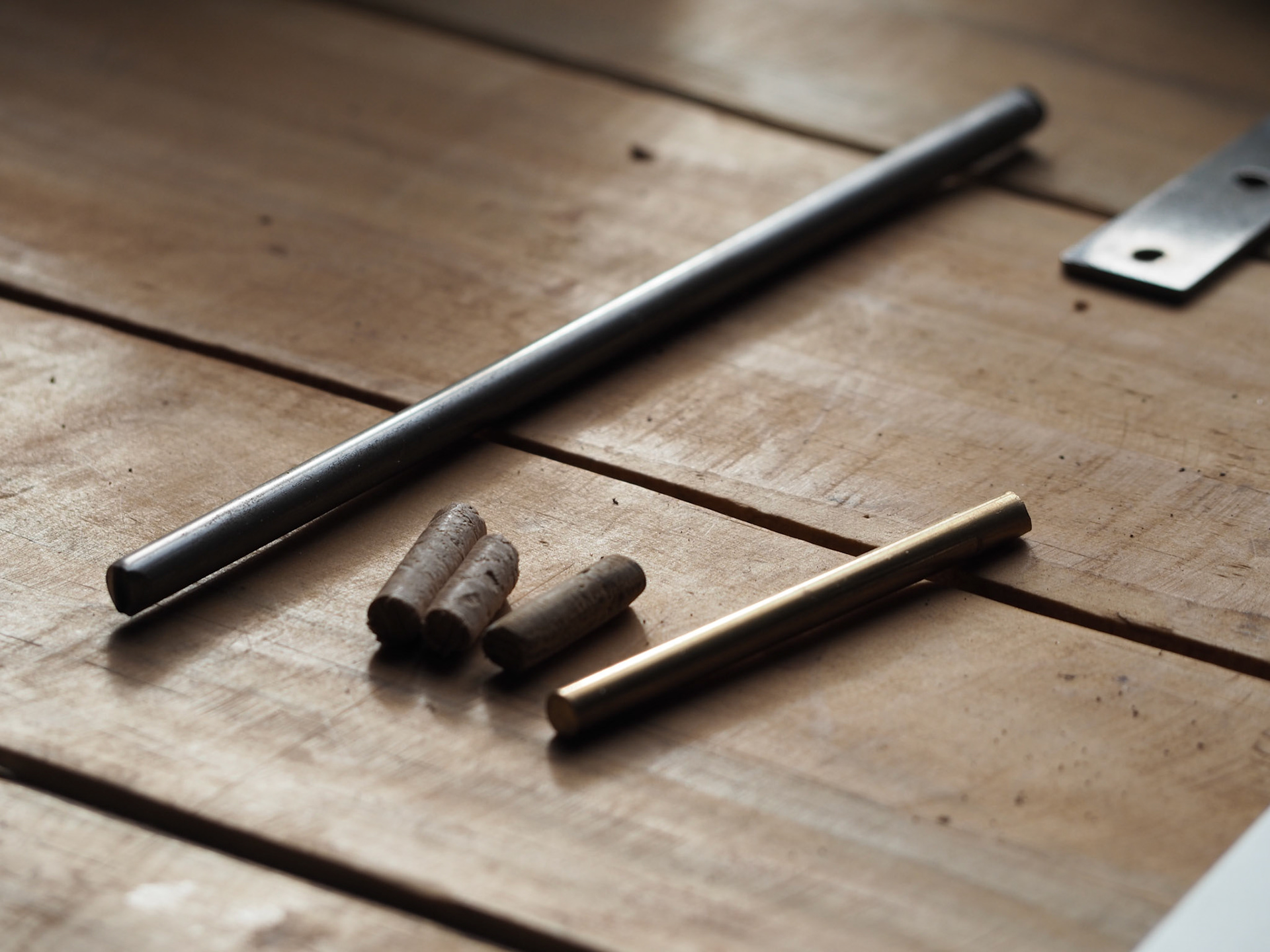
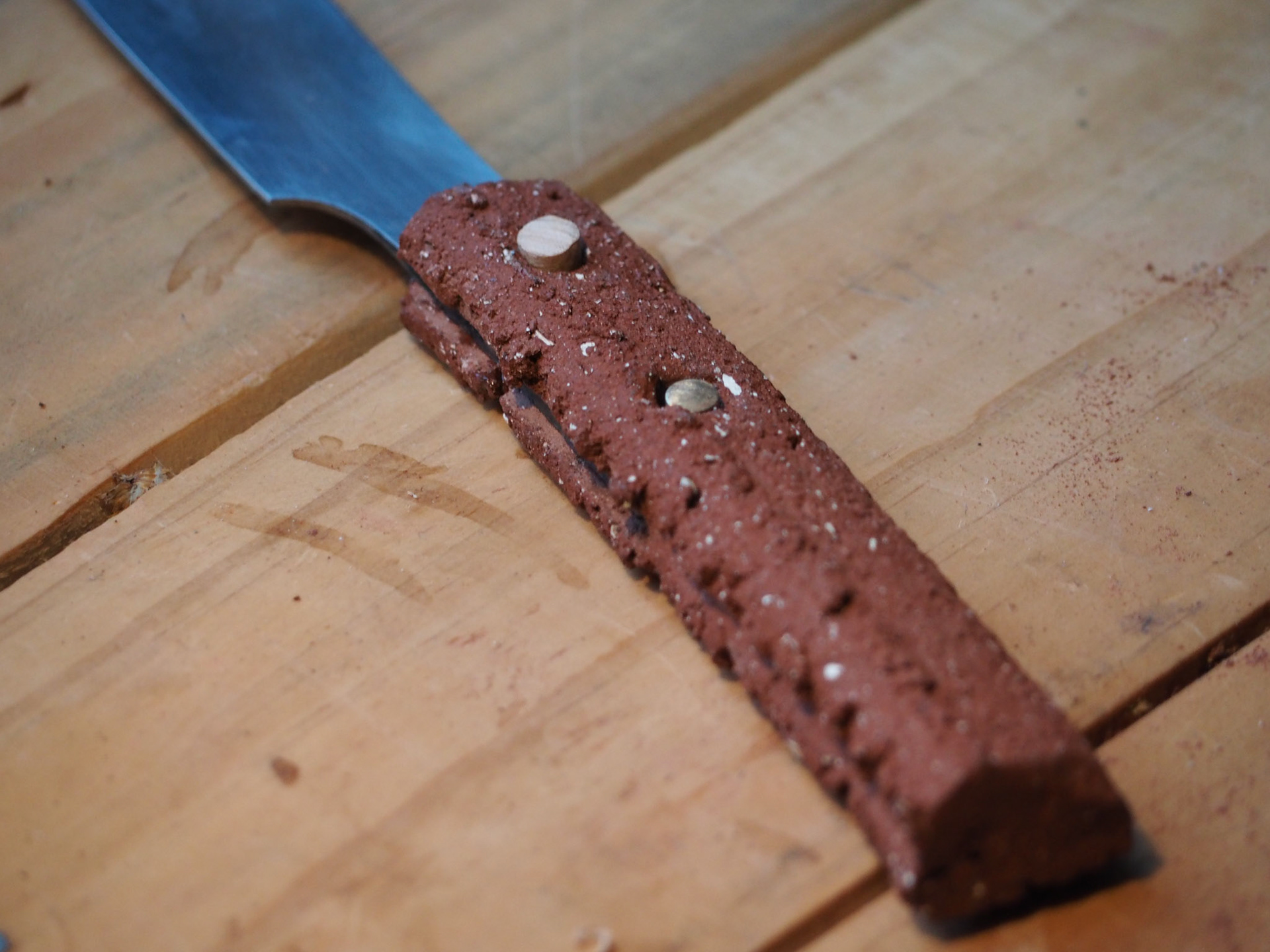
Brass vs Oak
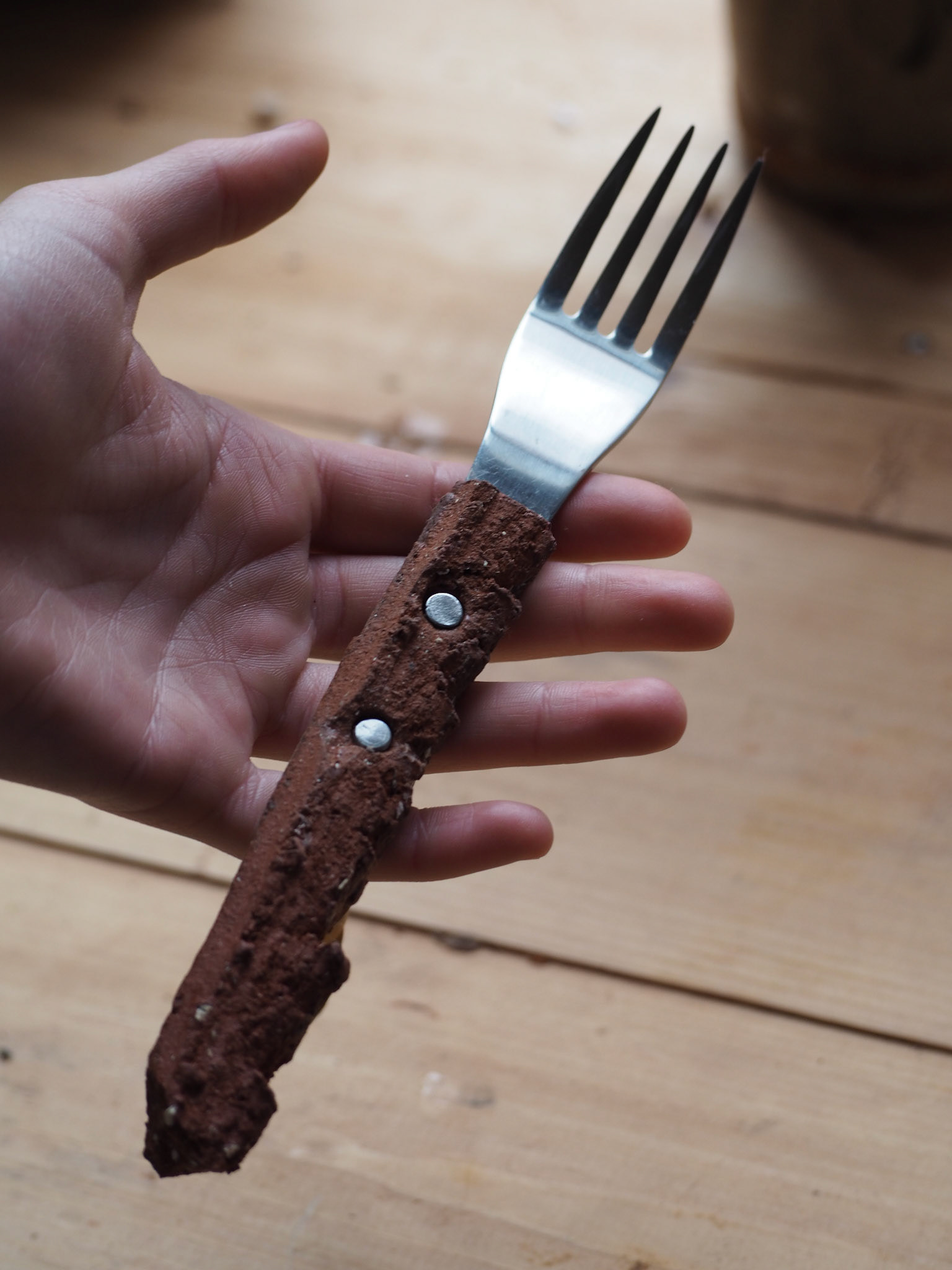
Steel
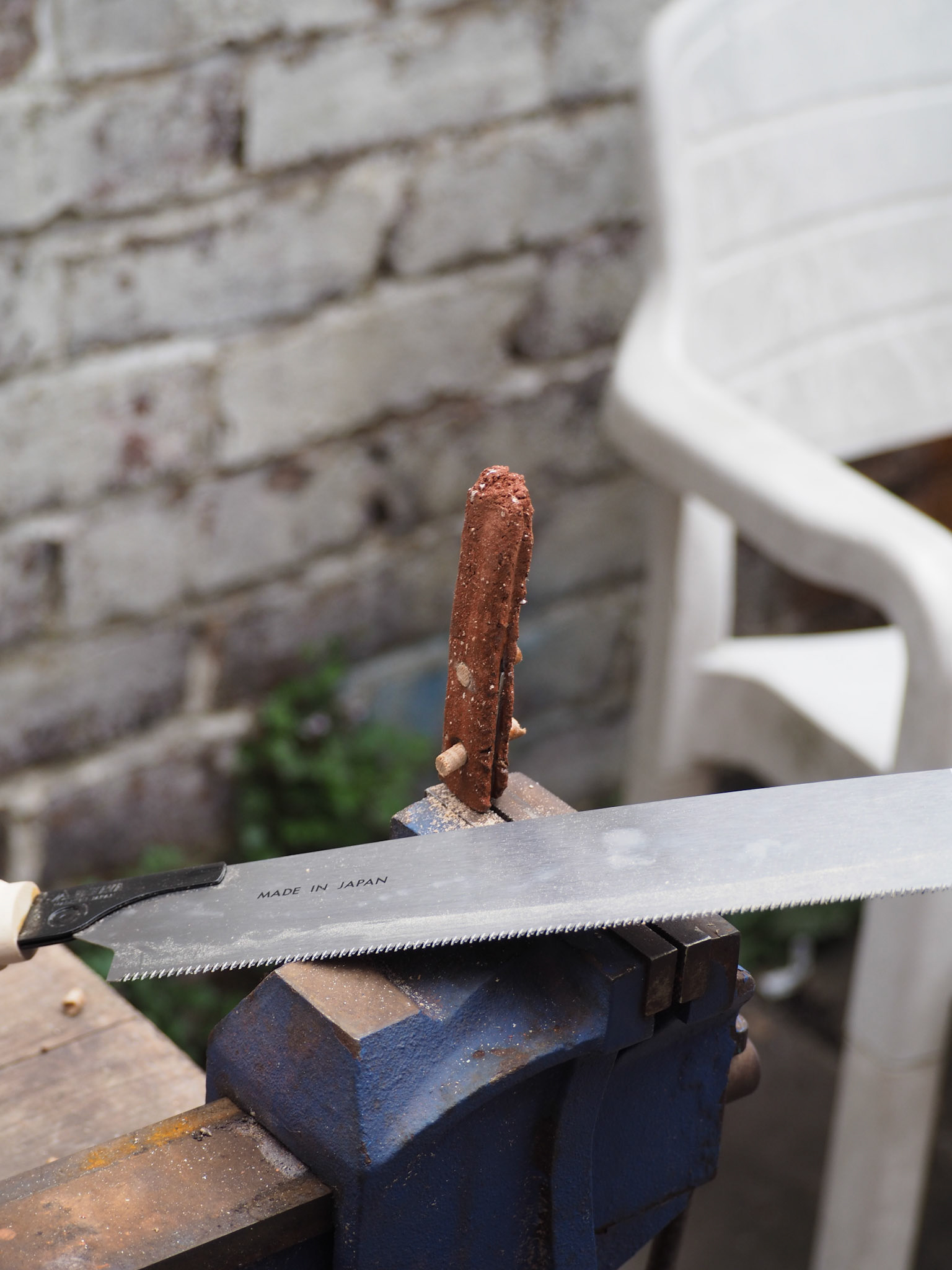
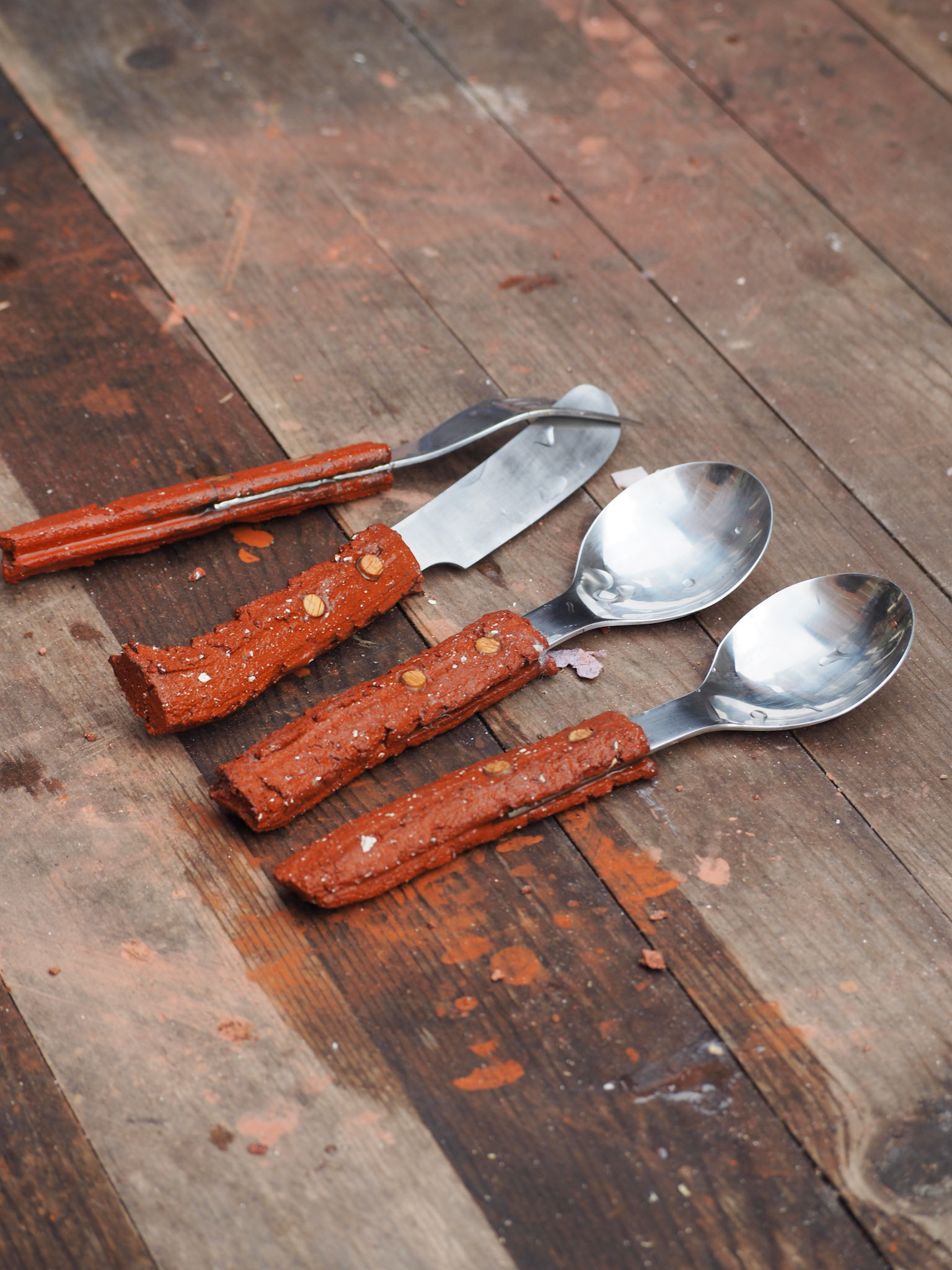
The individual and unrepeatable form of the extruded handles is something that adds to the site-specific nature of the material. I feel that this series of objects show the versatility of my bone material whilst still inherently linking to food and cooking.
I would love to develop this process further in the future, potentially considering different glazes and clays that are site-specific to different environments.
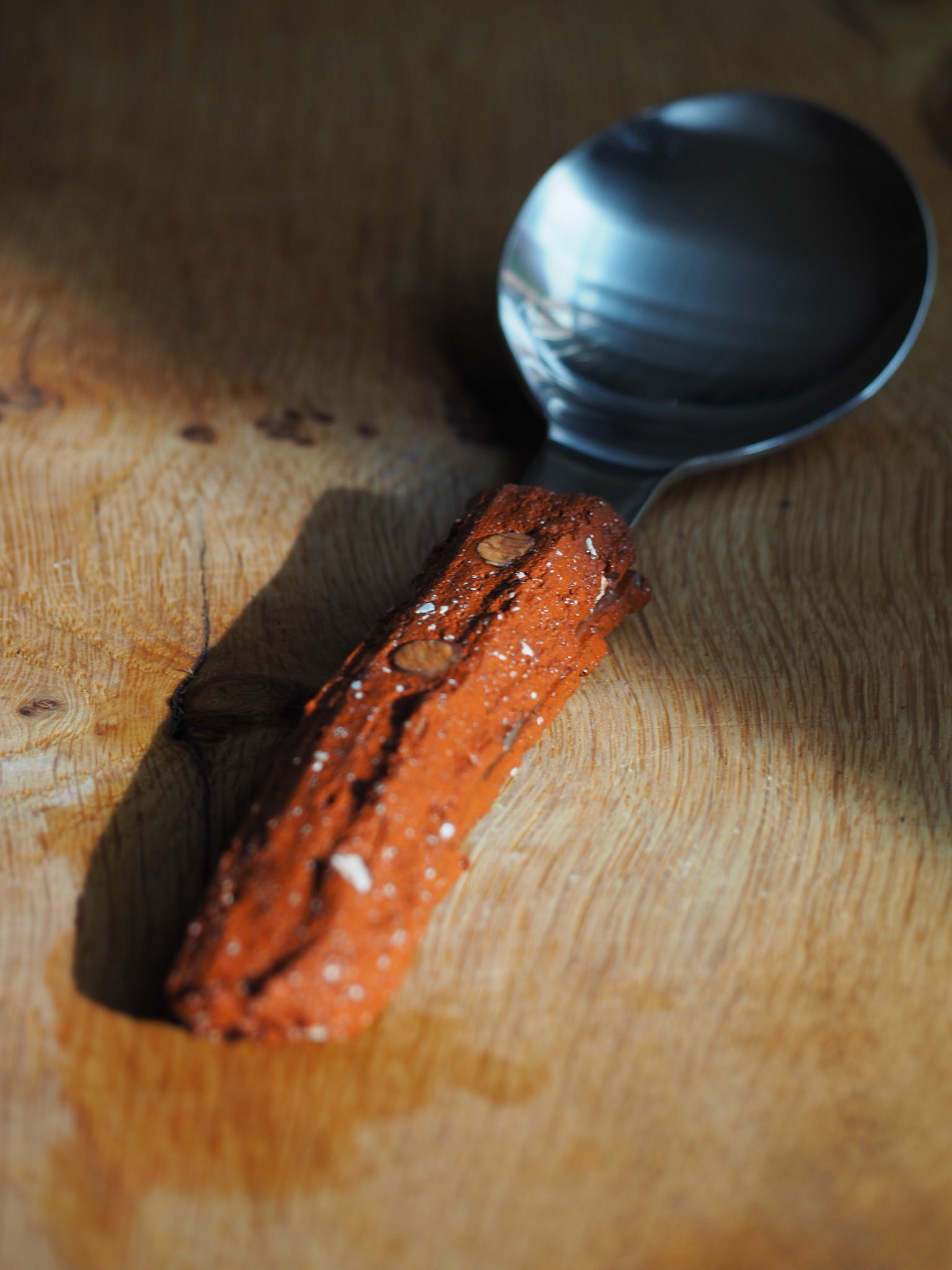
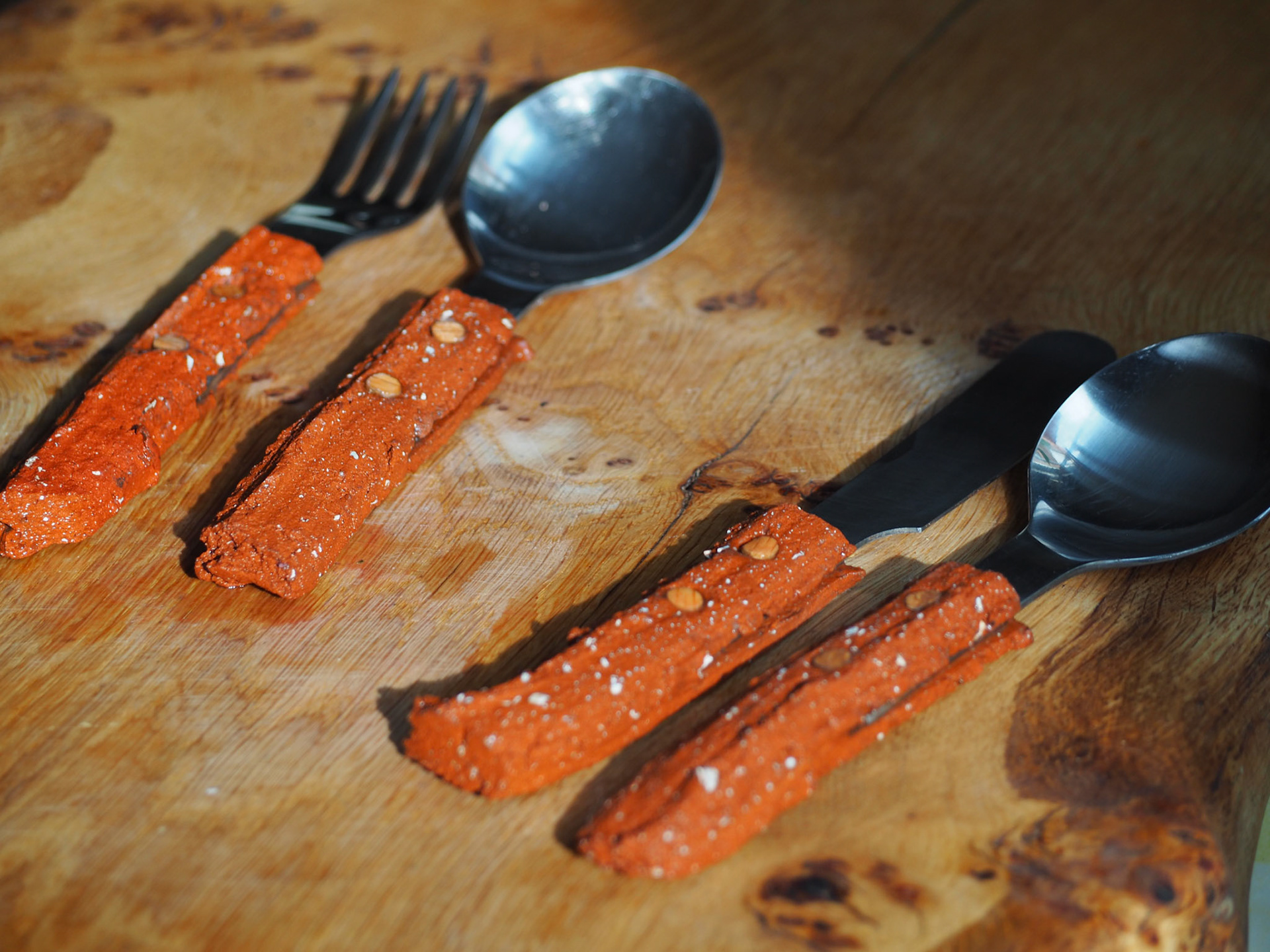
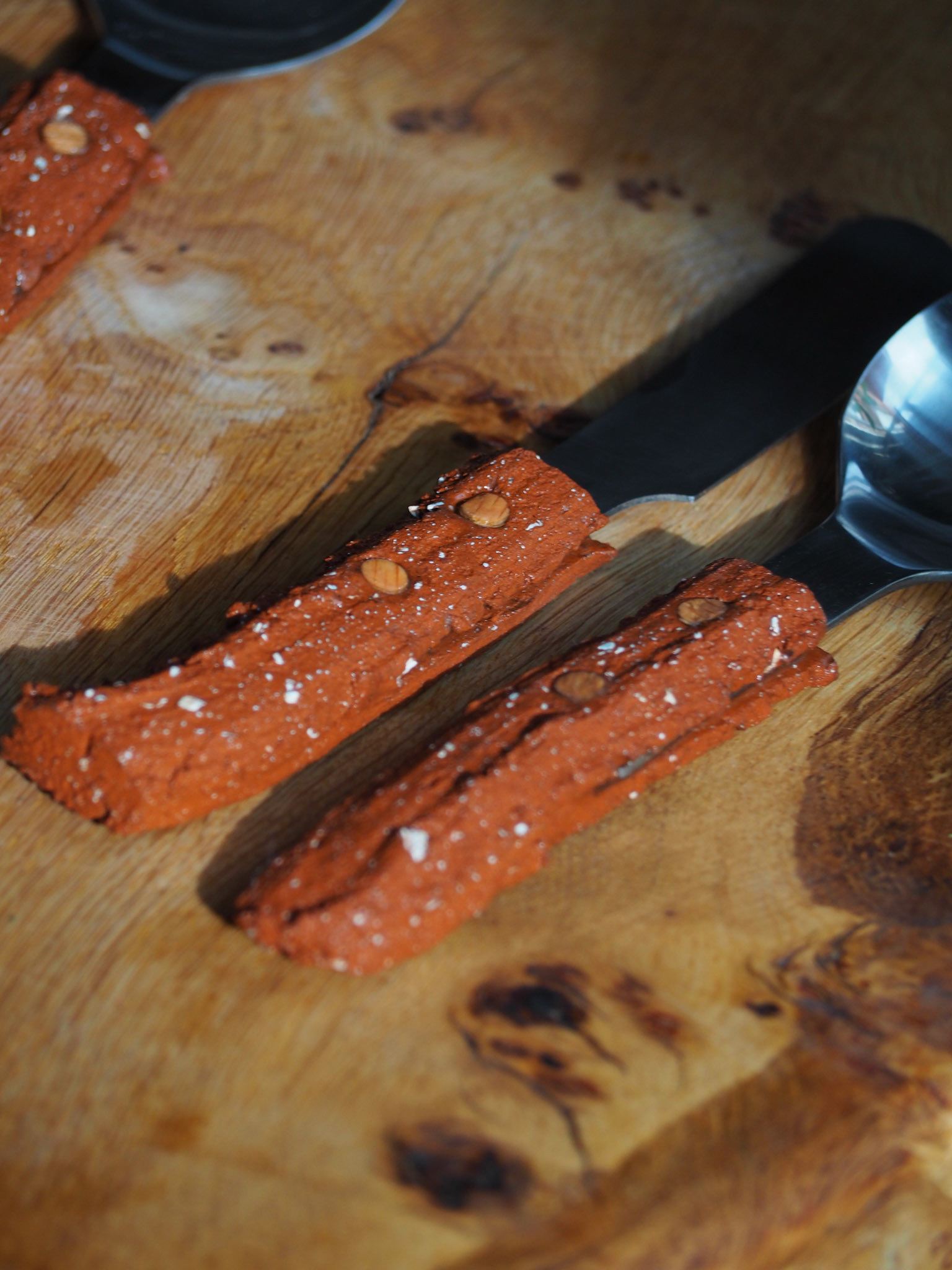
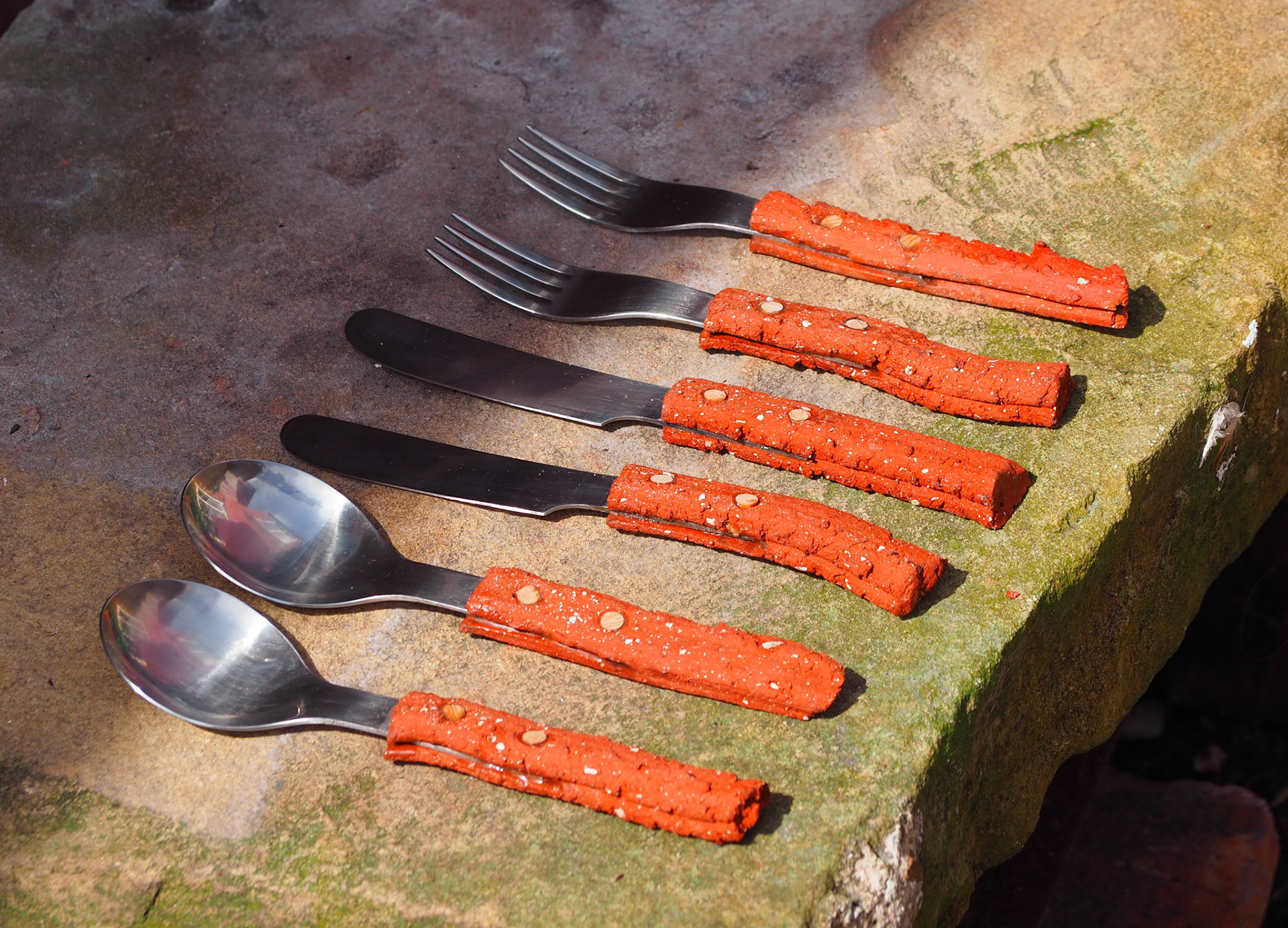
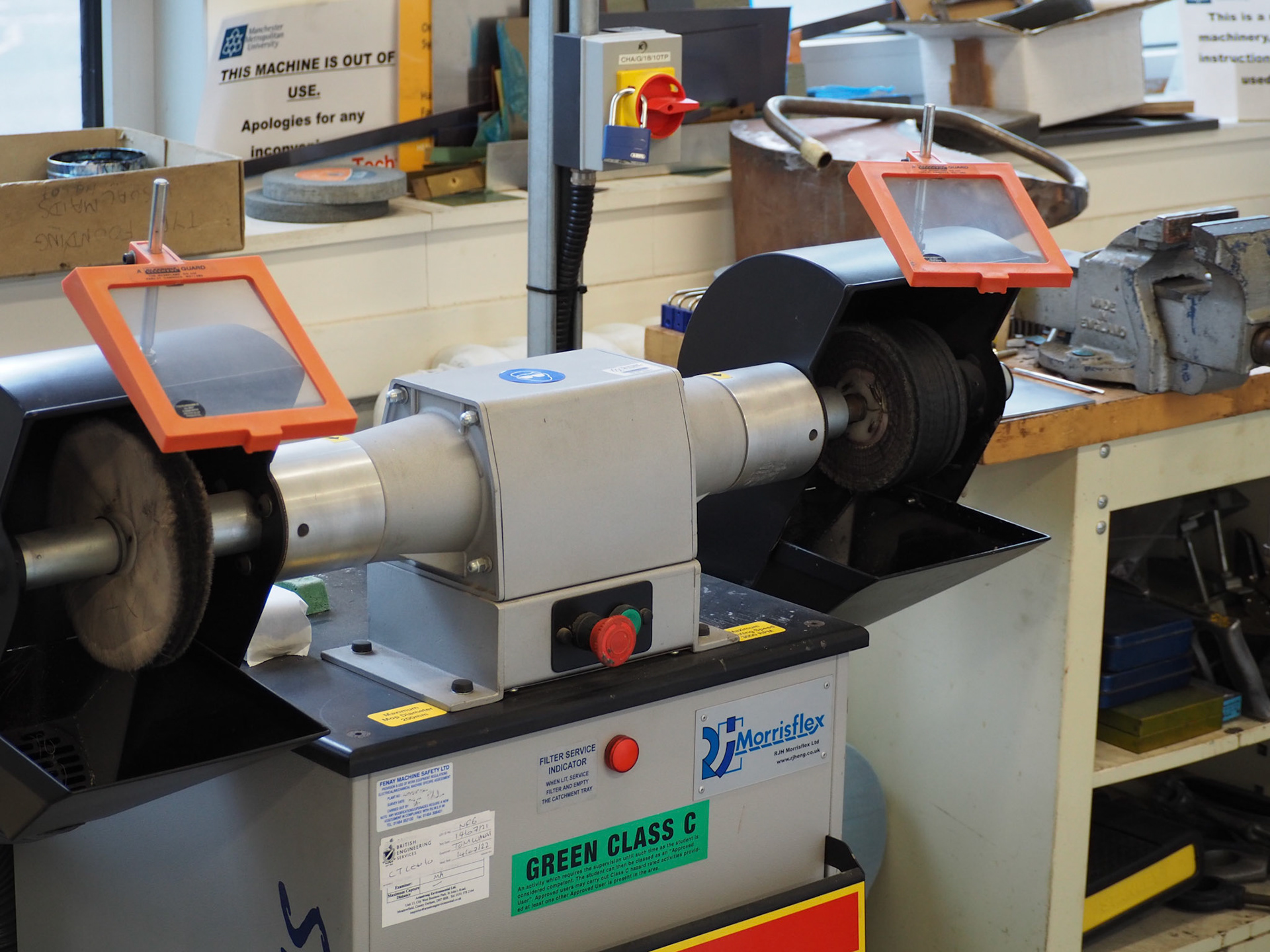
My last step was to polish each piece of cutlery as some of the pieces had got scuffed and scratched during the making process.
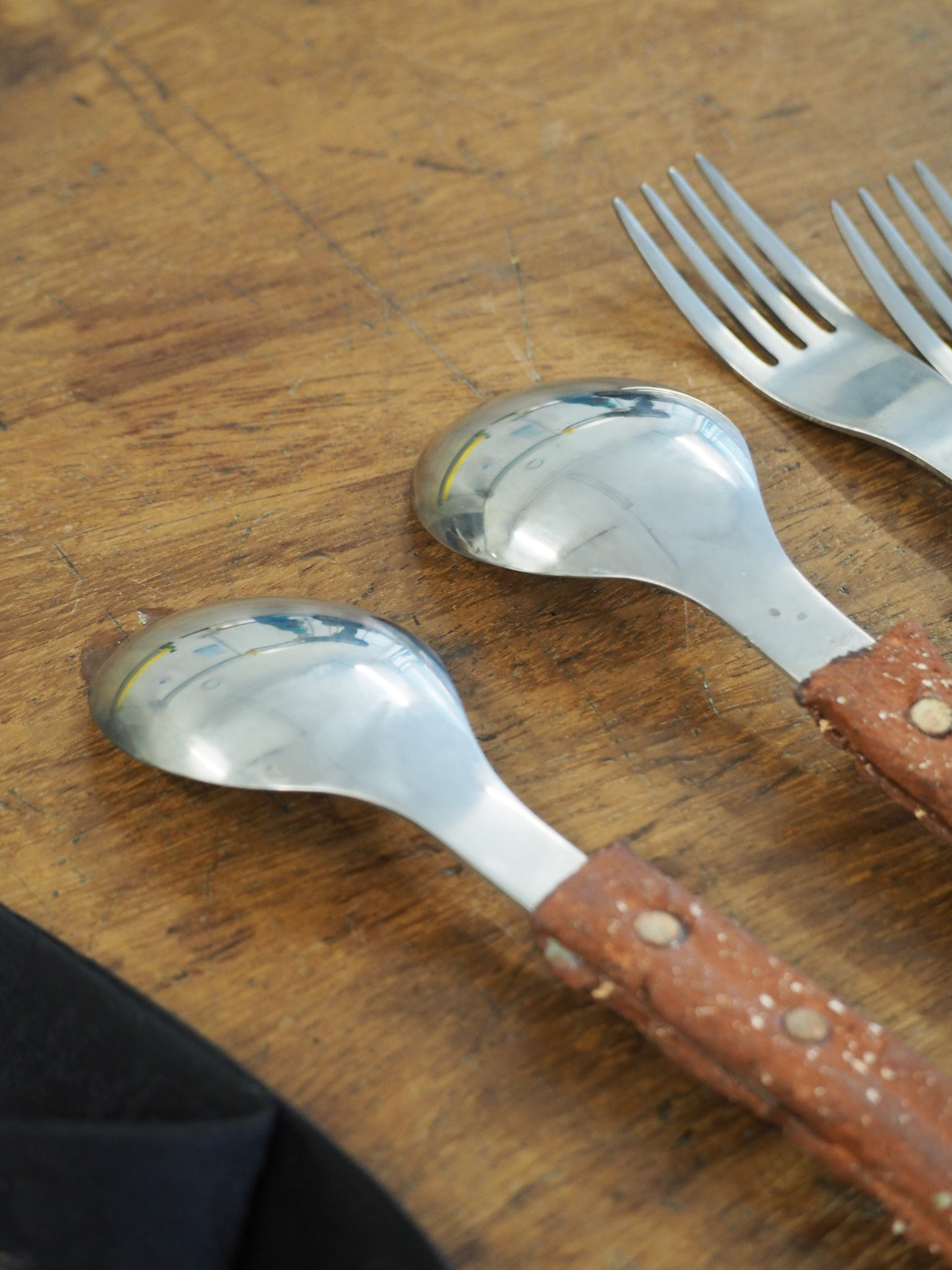
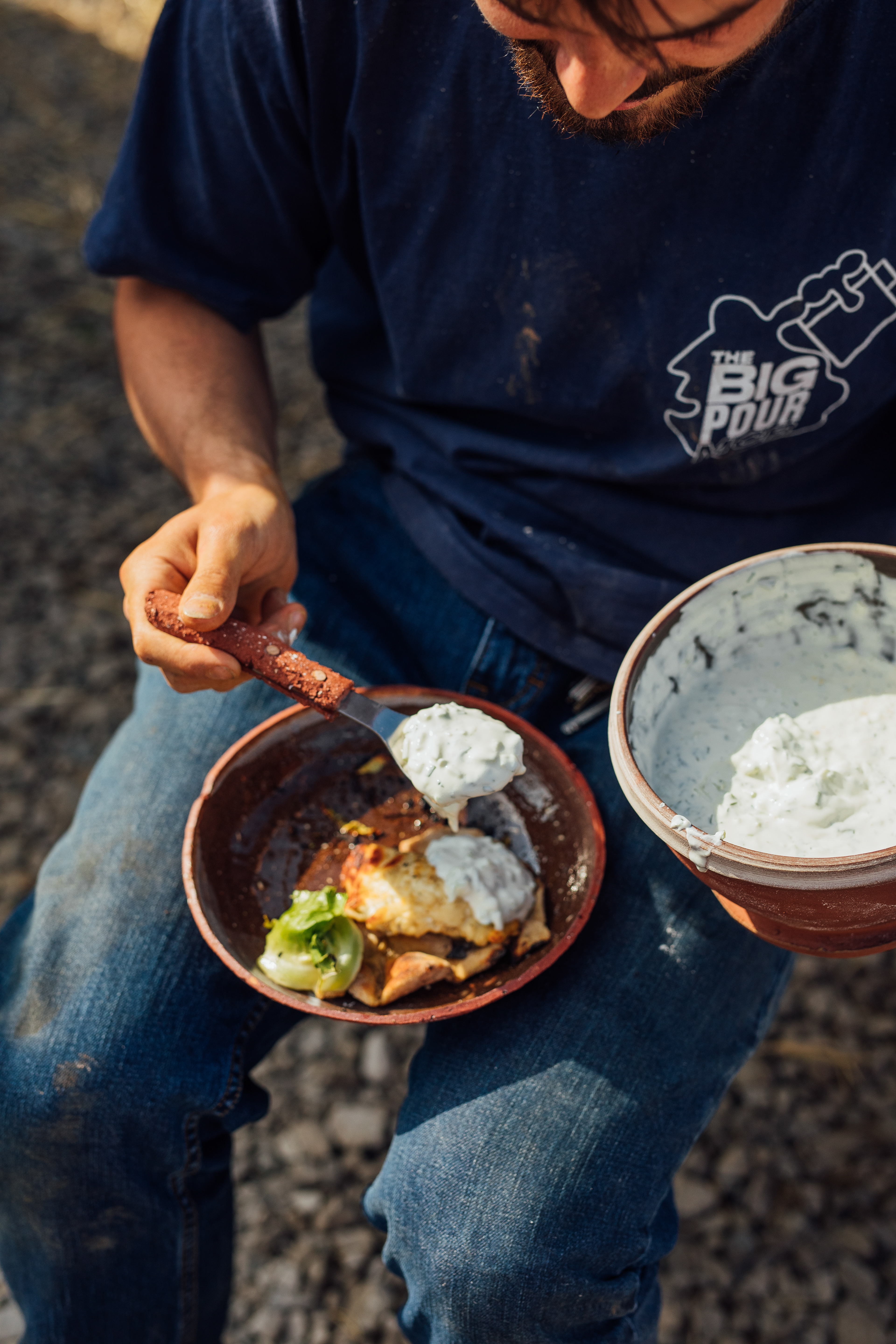
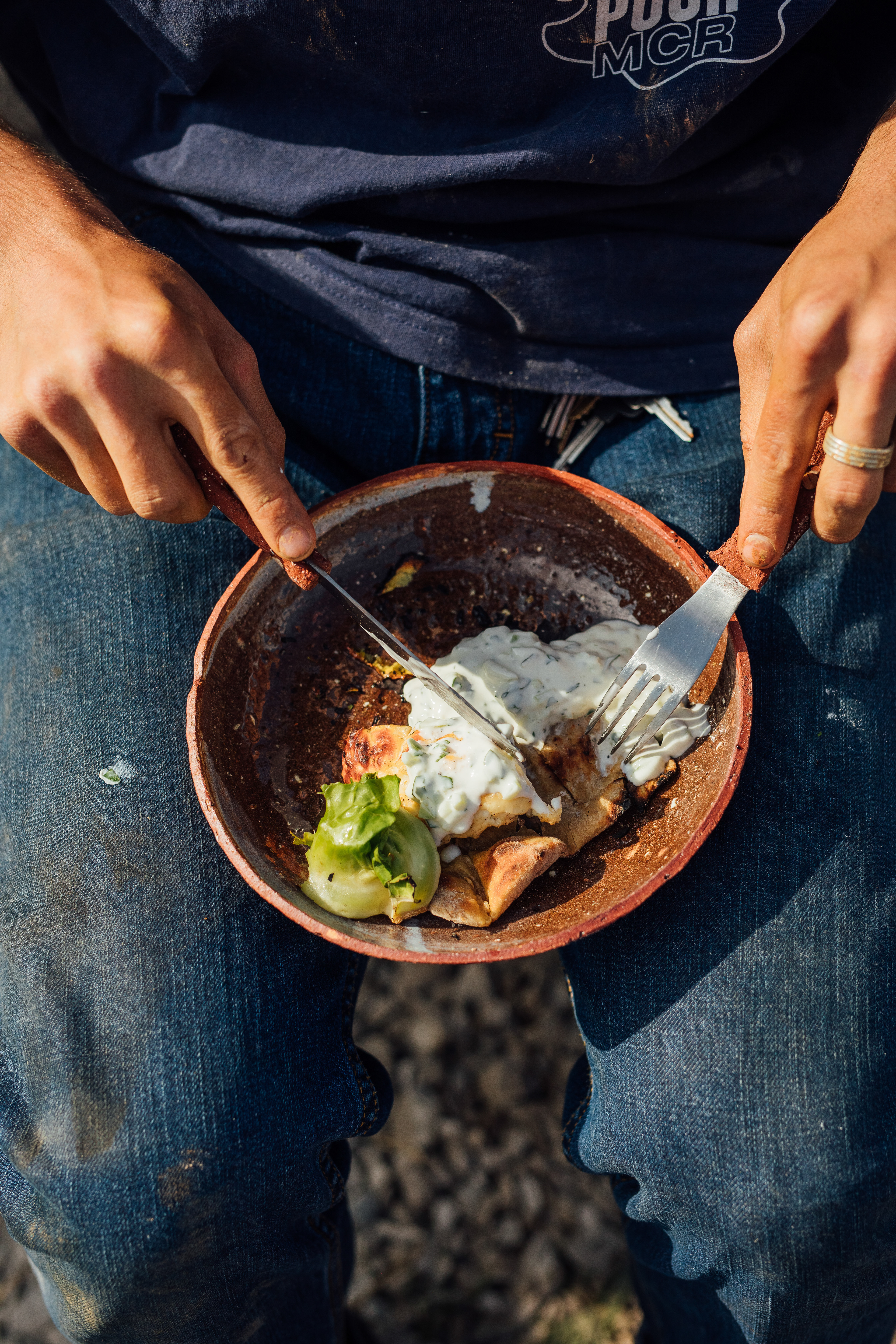
The images below show my final selection of cutlery and them being used alongside my bowls on the 8th of May at Keepers Cottage Farm.